
Standing in the Gaps: Reviving Jazz in West Tennessee
Written by Lizzie Emmons
Photos by Tamara Miller, Willette DuPree, & the Main Event Photography
Every city has people who work hard to make sure their neighbors have a community they can be proud to call home. Most of the time, the ones doing the most meaningful work for all of us are the most unassuming. They’re the folks who don’t ask for recognition or praise — who notice what’s missing, roll up their sleeves, and quietly and thoughtfully tend to the gaps. They build meaningful relationships, lift up the talents of their neighbors, honor the legacies of people who have come before them, and carry our community forward with unseen care. That’s what a hidden leader looks like — and no one embodies that quiet strength more than my friend James Cherry and his work to create the Jazz Foundation of West Tennessee.
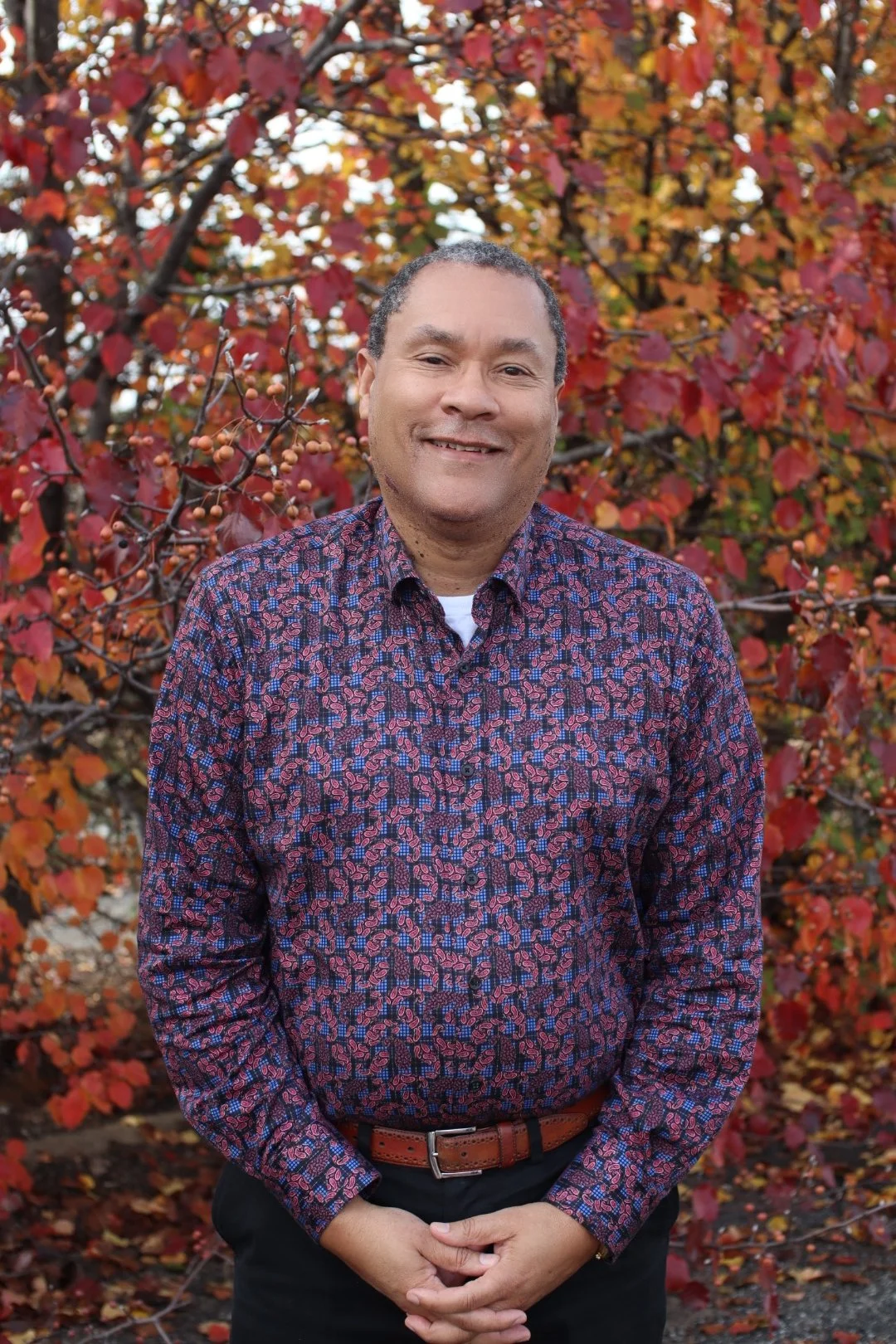
James Cherry, the founder and president of the Jazz Foundation of West Tennessee, is a longtime jazz enthusiast. A published author, he describes his writing as flowing with rhythm and improvisation like jazz. James approached me years ago asking if I thought there were other people in Jackson besides himself who would be interested in attending live jazz concerts. My answer was, and continues to be, an enthusiastic yes. And as a thoughtful hidden leader does, James talked to his neighbors, did his research, and took action to tend to the gap he found.
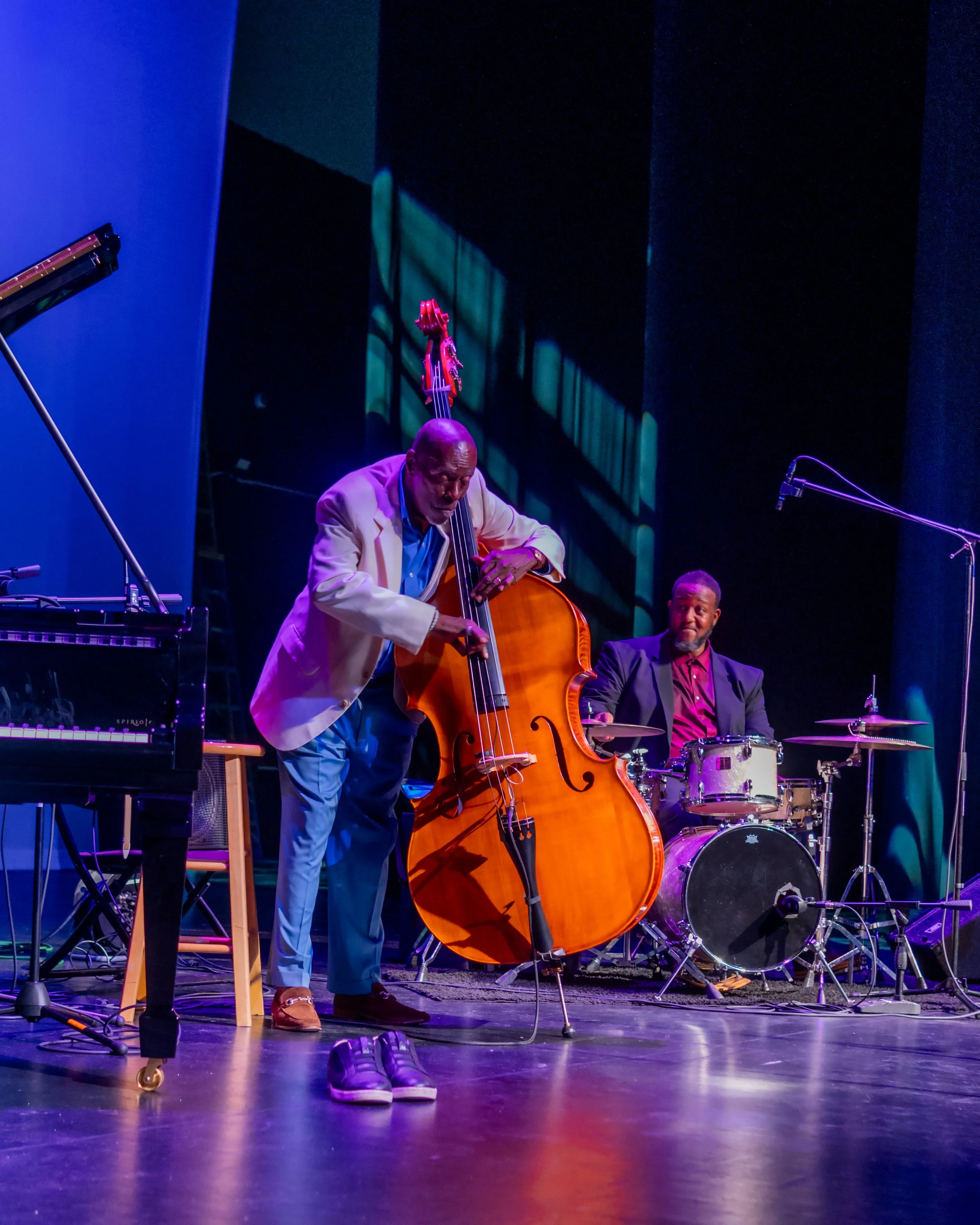
Jackson has a rich history of jazz and blues music. In the early 20th century, Jackson’s geographic location between two major music cities, its Black church and gospel music roots, and its active involvement in trade and rail all influenced the circulation of jazz and blues music throughout the Delta region. Famous jazz musicians like Duke Ellington and Dizzy Gillespie would perform in Jackson quite regularly.
Musicians from Jackson, such as Gil Scott-Heron, Sonny Boy Williamson I, Big Maybelle, and Christine Chatman, had significant influence in the genres. Over the years, jazz and blues music faded out of Jackson’s music scene as the genres laid the foundation for more commercialized music like R&B and hiphop.
Until recently, there were typically only a few music performances you could see in Jackson on a given weekend: commercial music at local bars and restaurants, classical symphony orchestra, and occasionally community musical theatre. With James’ and the Jazz Foundation board of directors’ knowledge of Jackson’s music history, they saw an opportunity to add jazz and blues back into Jackson’s regular repertoire of musical offerings, just as it used to be.
“Jazz is considered America’s classical music. I think it’s incumbent that someone steps in and fills the void, and that’s what the Jazz Foundation is trying to do,” James said.
But why bring back a style of music that has faded from Jackson? James explained that it’s still important because it’s still part of who we are as a community. “I think you can’t move forward without a good understanding of history,” James said. “So we’re going to step in the gaps of what’s happened in the past and what’s coming in the future.”
As Jackson attracts new visitors and residents, there’s a demand for more live music that the Jazz Foundation is filling. “What we’ve found is that the city is growing, so there’s an influx of industry and new people coming to town,” James said. “They’re ready for this music because they’re coming from larger locations where this music is available.”
Since its founding in 2022, the Jazz Foundation of West Tennessee has been serving the area by providing world-class jazz concerts from professional musicians quarterly at the Ned McWherter Cultural Arts Center. James says that his proudest moment of the organization so far has been bringing Bobby Watson, a Grammy-winning saxophonist and composer, to Jackson to perform. A primary goal of the organization is for the region to not have to travel to big cities to see world-class jazz performances — instead, it seeks to offer an opportunity for residents to enjoy the best of local, regional, and national jazz music in their own backyard.
The organization also makes intentional efforts between concerts to support the local jazz community. It is building up its educational outreach efforts to train middle and high school students to perform jazz and blues music, and it has offered those students free admission to concerts. It’s also getting ready to set aside an entire month of performances around Jackson that feature local jazz musicians as well as host a large summer jazz festival to celebrate both Miles Davis and John Coltrain’s 100th birthdays.
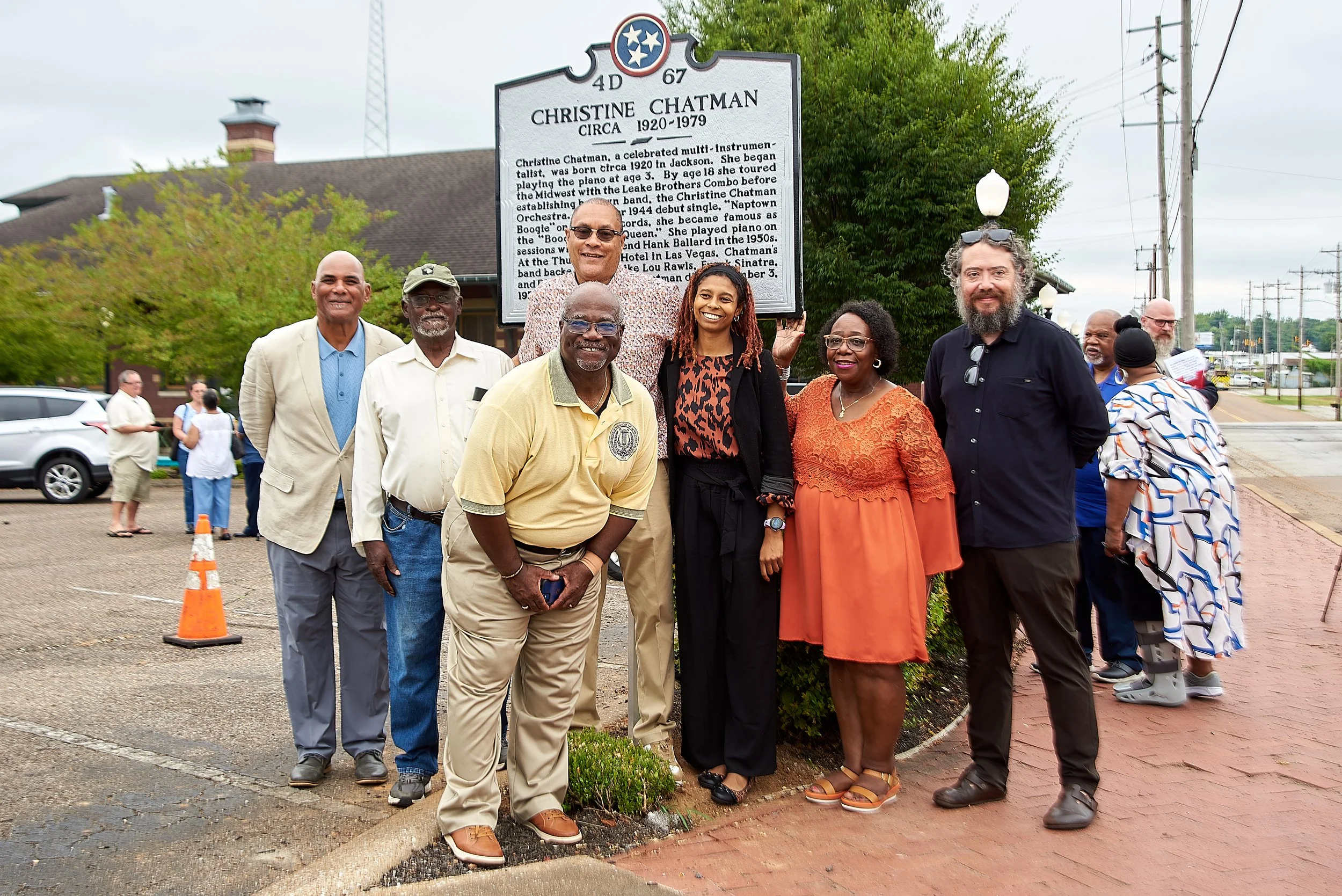
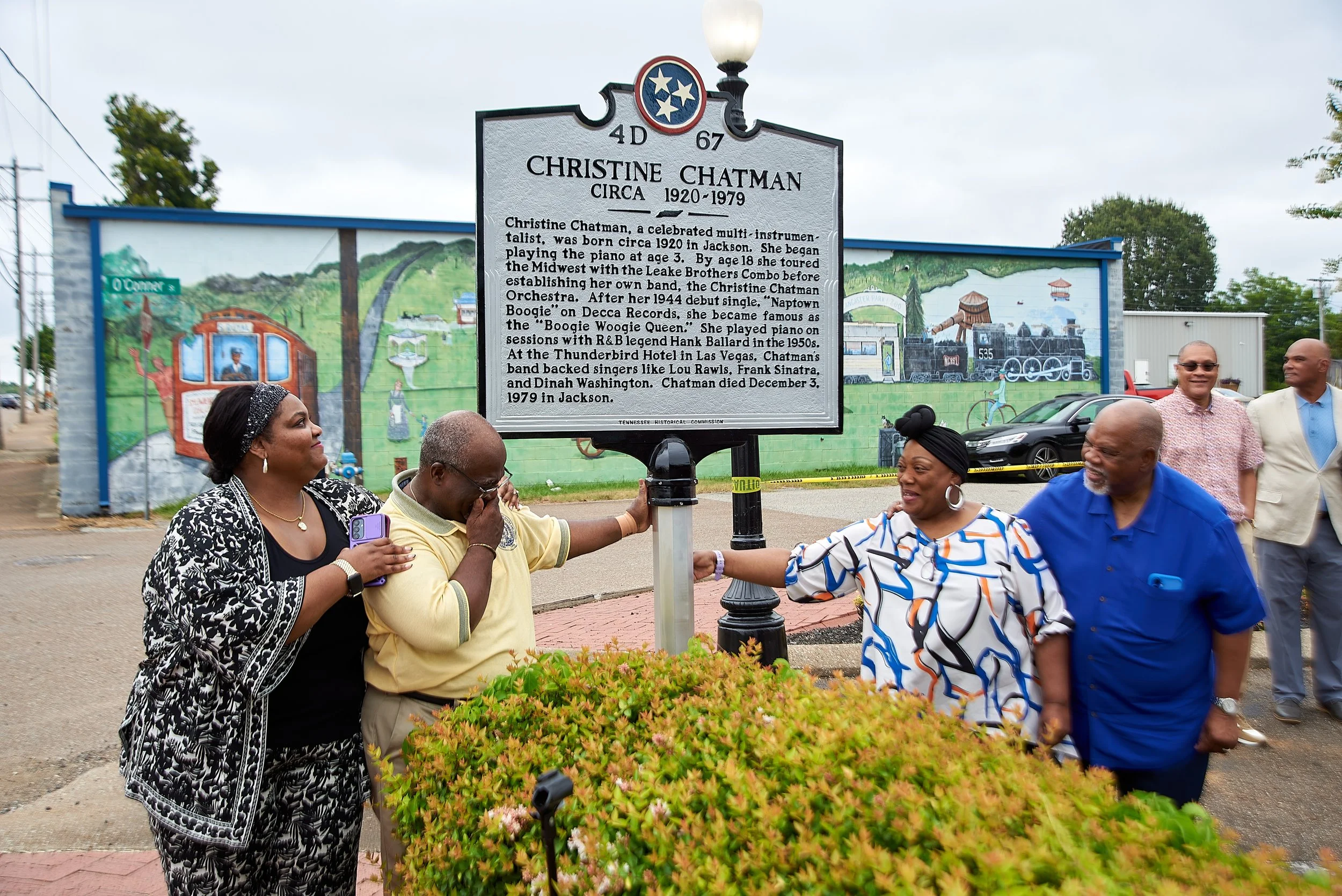
Recently, the organization honored Jackson’s own Christine Chatman — known around the world as the Queen of Boogie Woogie — through a new historical marker, and it intends to do the same with other musicians from Jackson who deserve to have their legacies preserved.
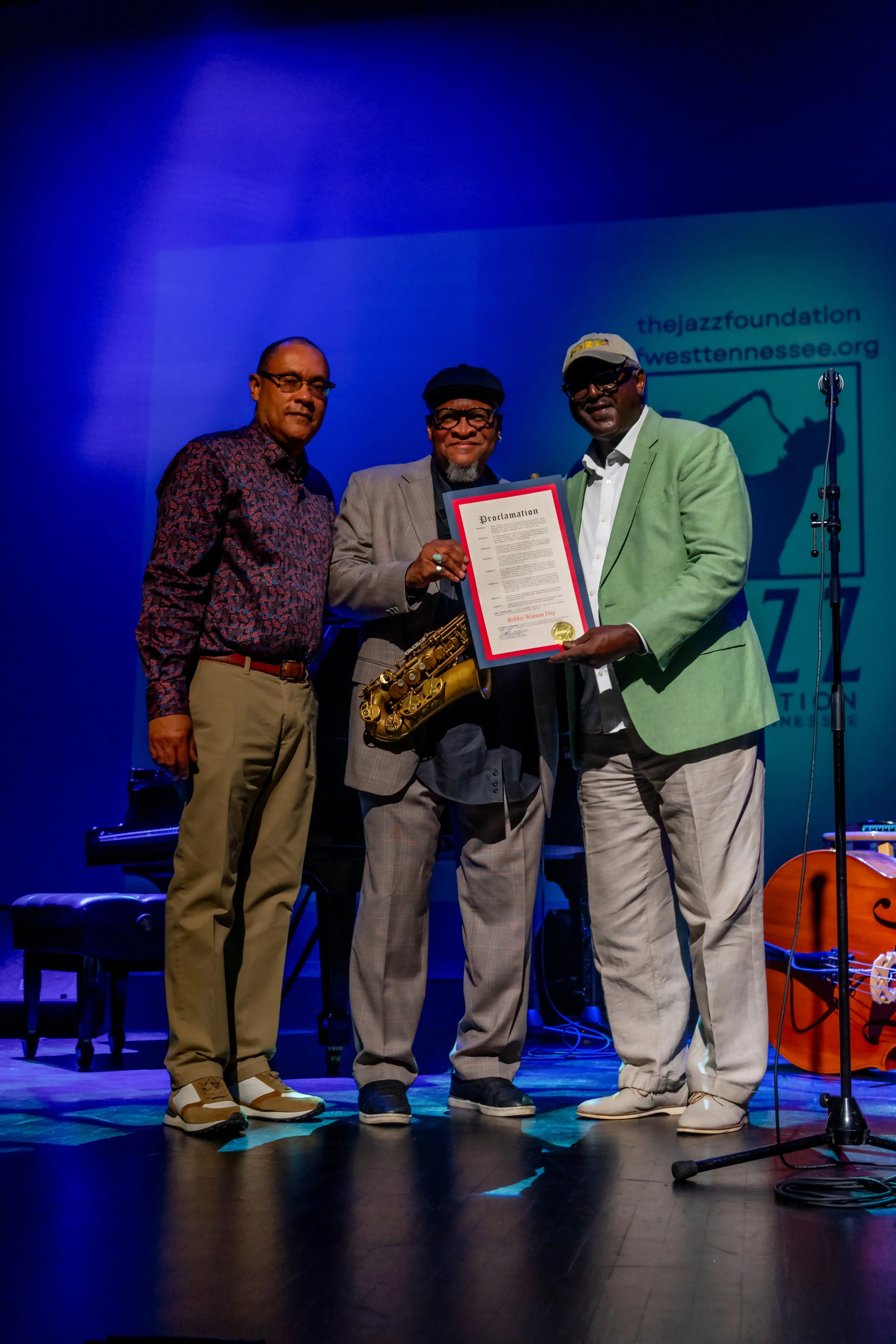
Through all of their hard work, the board of directors aims for jazz to have a prominent place in the hierarchy of the arts that make up our city. James sees the Jazz Foundation continuing to get bigger and better over time. The organization would love for its local outreach to get stronger and concert offerings to double, and it challenges the West Tennessee community to come alongside its efforts by attending concerts or becoming members of the foundation to support its work.
I asked James what it means to him to be a leader of the arts and culture sector in Jackson. “[Leadership] is about sacrifice. It's about looking at something bigger than yourself. It’s hoping that the community will be lifted up through your efforts,” James responded. “And you don’t necessarily need credit for everything. If you can surround yourself with a team who has the same goals and objectives, then you can just let the work speak for itself. You do the best you can, and hopefully after you’ve gone on, your work will still live.”
Like a jazz musician thoughtfully and creatively filling the spaces between notes, James Cherry’s leadership and creation of the Jazz Foundation of West Tennessee teaches us all the power of filling in the gaps where we find them — ensuring that our corner of the world thrives for years beyond our short time here.