
Thomas Brown: If You’re Walking Alone, You’re Just Going for a Walk
Written by Shelby Tyre
Photographed by Mirza Babic
Regional Inter-Faith Association, better known as RIFA, touches more corners of West Tennessee than most people realize. Thousands of meals move through its kitchen and food bank each week. Families stop in for emergency groceries. Kids receive weekend bags so they don’t go hungry between school days. Donated furniture and clothing make their way into new homes. Volunteers show up, give time, and go back out in the city carrying the mission with them.
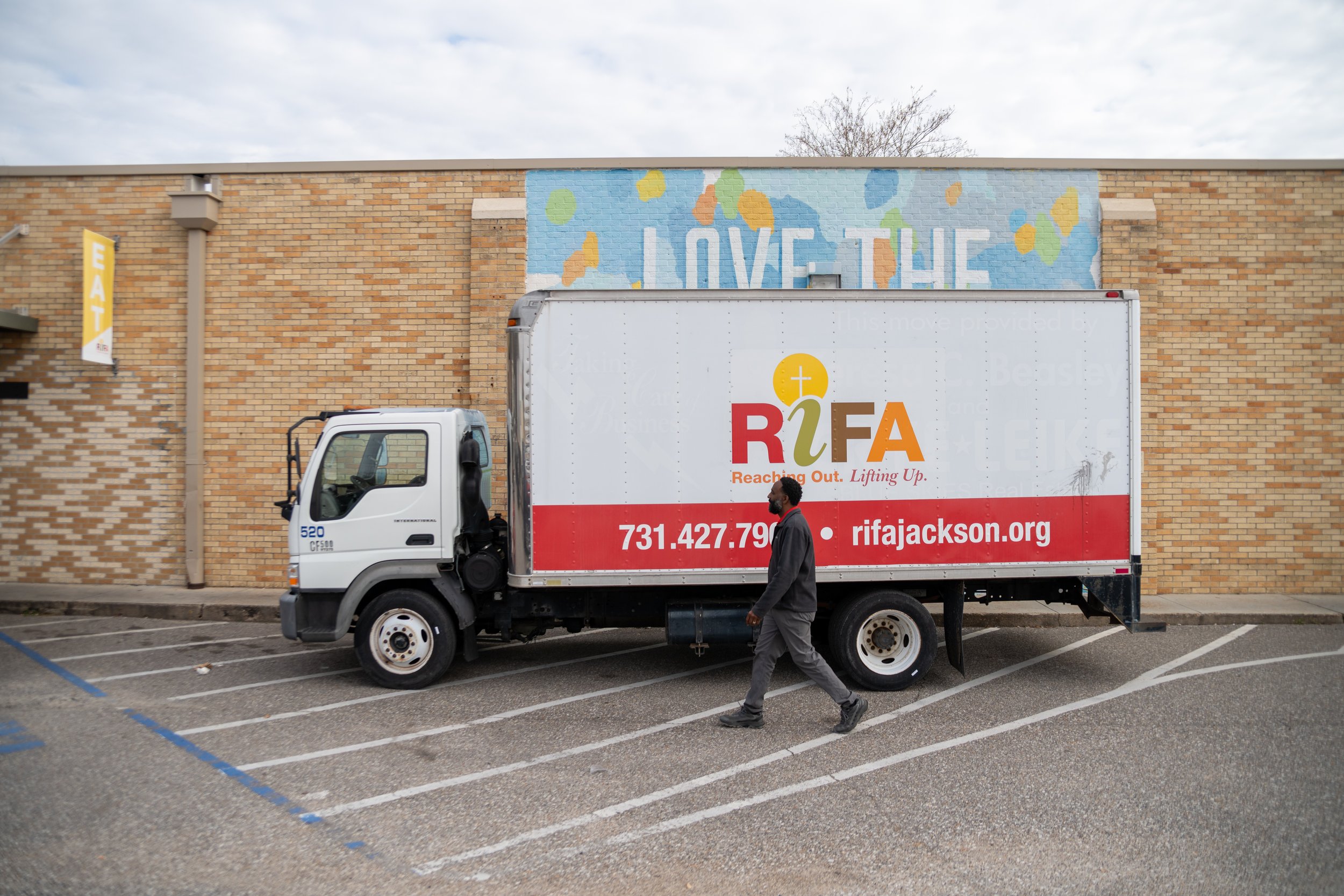
It’s a steady, constant rhythm. The kind of operation that only works when the right people are holding it together. And if you spend enough time around RIFA, you notice quickly that Thomas Brown is one of those people.
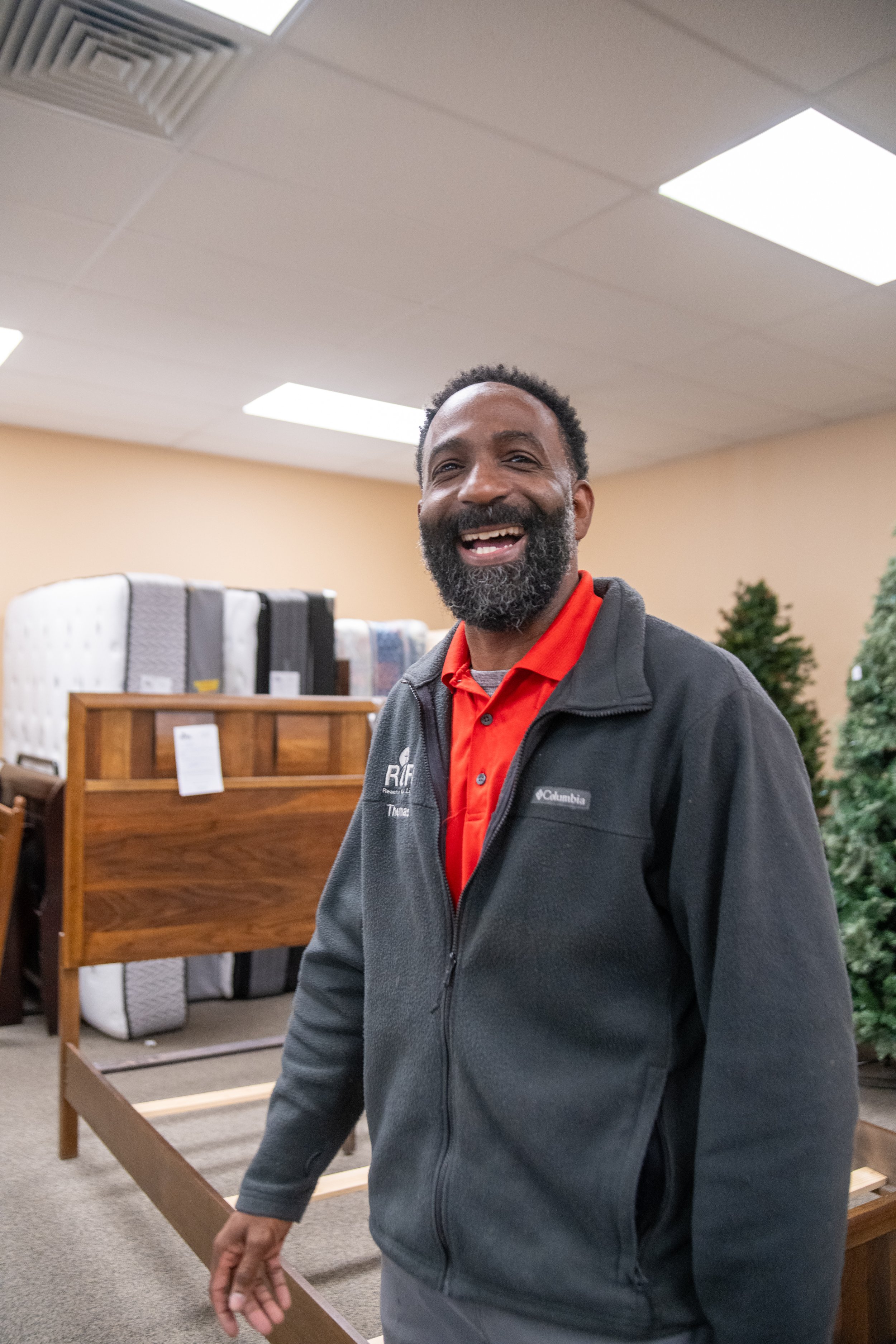
There’s a certain calm that follows him where he goes. It’s not loud or commanding. It’s the kind of presence that makes a room feel a little steadier, like things are going to get done and people are going to be cared for in the process. He doesn't step into a space with urgency or force; he steps in with intention.
“Community means everybody has some type of input. It’s what you’re doing with each other.”
Thomas doesn’t talk about community as an idea — he talks about it as something you participate in every single day. And that’s exactly what he does at RIFA.
Thomas serves as the Senior Warehouse Manager, which, in practice, looks like a mix of logistics, people, relationships, and doing what needs to be done to keep food and resources moving across Jackson. He started in the warehouse years ago, learned every part of the operation, and grew into the role he has now.
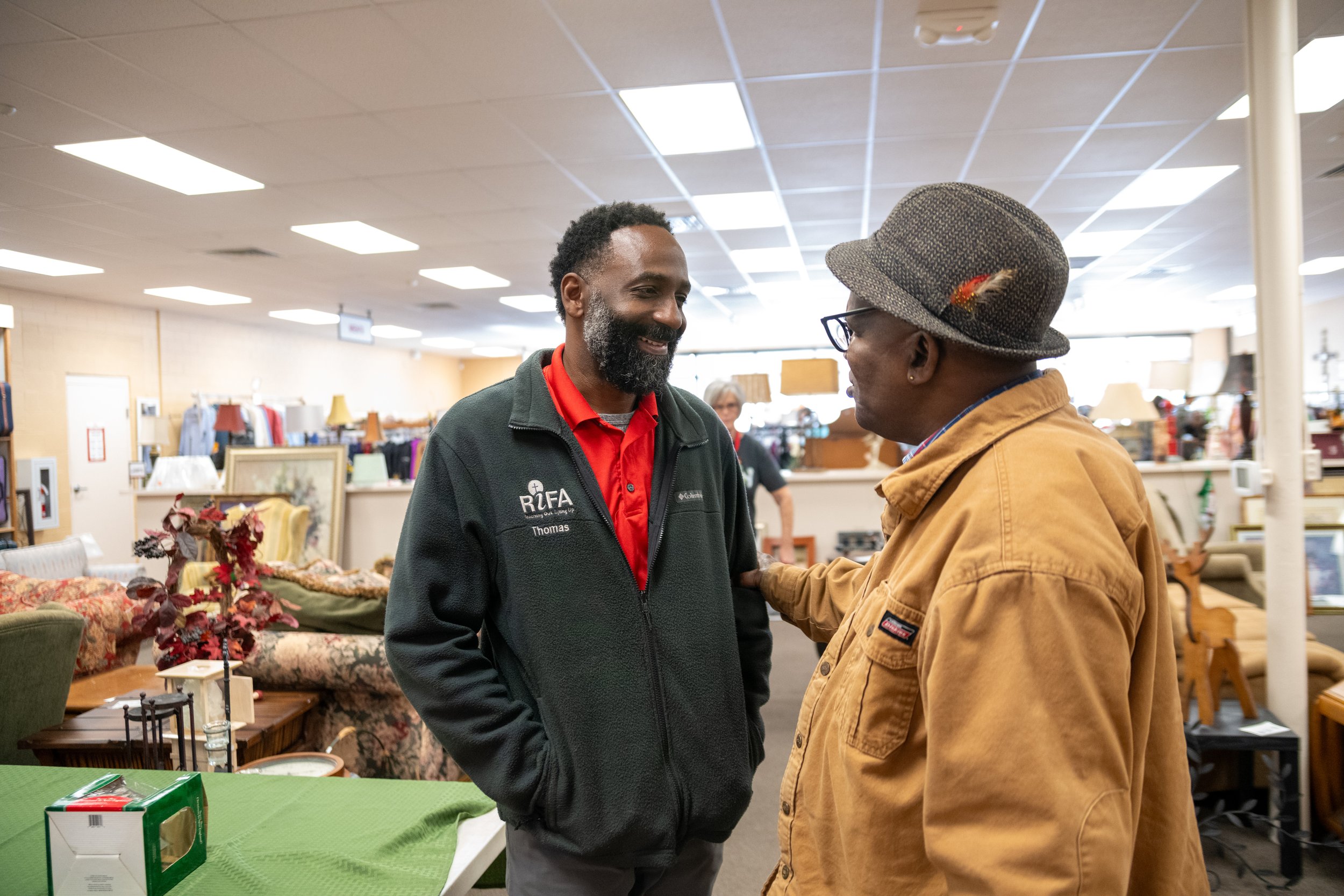
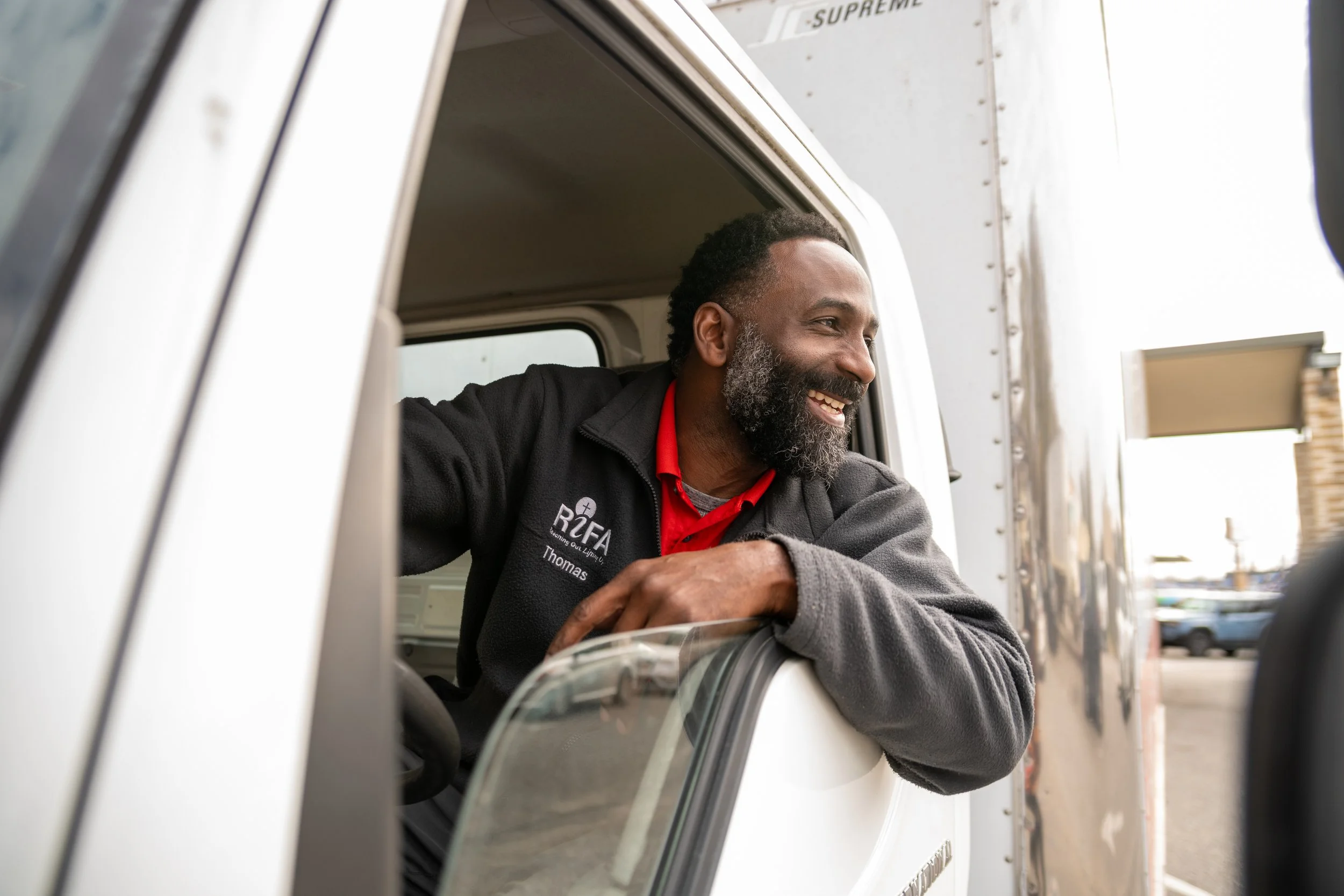
If you watch him long enough, you notice that he doesn’t separate “leading” from “working.” Some days he’s coordinating plans; other days he’s driving the truck across town, picking up donations or delivering goods. It’s all the same mission to him.
“Half a million meals a year. I can’t do that alone,” he says. “Many hands make light work.”
Through this rhythm — the planning, the pick ups, the conversations — Thomas has seen Jackson up close. Not just from the window of a vehicle, but through the interactions that come with the work — interactions with donors, business partners, volunteers, seniors waiting for meals, families who need support.
He talks about these moments with a kind of grounded gratitude.
“I get to see people,” he says. “There’s exposure there I never would have had.”
You get the sense that these encounters shape him more than the numbers or charts ever could. They’ve given him a clearer view of what the community needs and what it offers back. And they’ve helped him understand the responsibility of a role like his. Not simply distributing resources, but building relationships, strengthening trust, and meeting people where they are.
Thomas’s approach to leadership feels rooted in a simple idea: people matter, and they deserve to be treated like it. He listens. He asks questions. He pays attention to what motivates each person on his team. He trusts the people who are hands-on in the work.
During our conversation there was a moment when he paused, almost smiling to himself, as if remembering something that had taught him this truth. He didn’t elaborate; he didn't need to. The way he talks about the staff and volunteers makes it clear that respect guides him as much as experience does.
“If you’re walking and nobody is behind you, you’re just going for a walk.”
This captures everything about the way Thomas leads. Leadership, to him, isn’t about being in front. It's about not being alone. It’s about making sure the people around you feel supported and capable.
He extends that philosophy even further: “If a door is open, you can go through it — or you can hold that door open for the next person.”
He lives this mindset out in how he mentors, how he encourages his team, and how he thinks about opportunity. In small ways, daily ways, he’s creating space for others to step into their own abilities to serve.
Thomas is open about how much his faith anchors him. He doesn't present it as a performance, but a foundation.
“Everything I do, whether it's for my family, for RIFA, or for the community, I do because I’m a believer.”
It’s what gives him patience in a job that comes with real heaviness. Food insecurity is rising. Families are stretched thin. The pace never really slows down. But even in that, he holds onto a kind of steady, practiced hope.
“A lot of things may not be what we want right now, but you have to work through it… What can we do? That’s always the question.”
He’s honest about the weight of the challenges, but he doesn’t carry them in a way that stops progress.
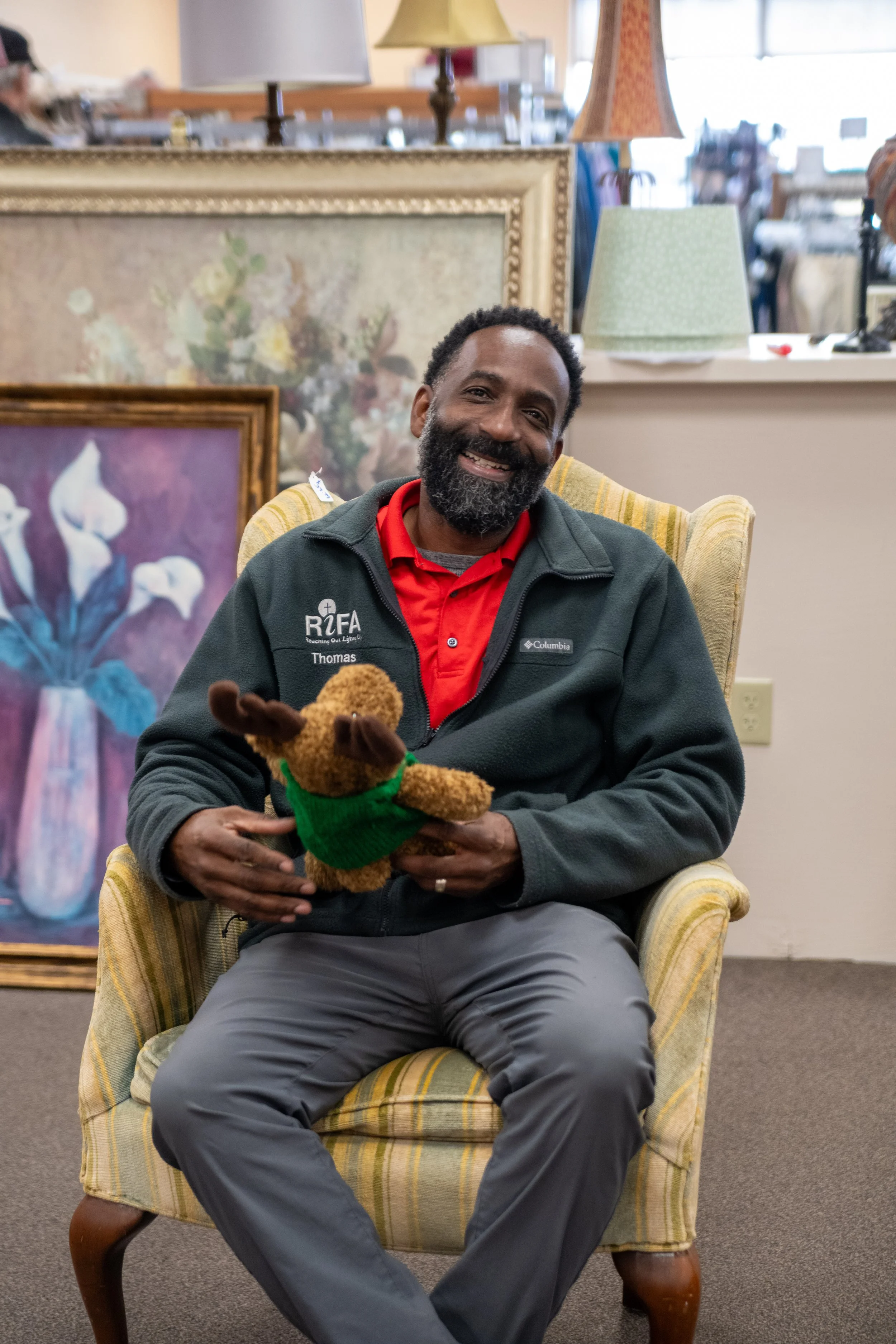
“When things are down, all I gotta do is wait a second. Something good is about to happen.”
That’s Thomas — realistic, hopeful, anchored.
By the time you finish talking with him, you understand that the impact he has on Jackson isn’t just in the meals delivered or the donations processed. It’s in the way he treats people. The way he shows up. The way he makes the work feel shared.
“Everybody can help in some form or fashion,” he says. “Even if it’s just holding the door.”
And that is who Thomas Brown is. Someone who holds the door open long enough for others to step through, making sure no one walks alone. Someone whose leadership doesn’t call attention to itself, but whose presence strengthens the community around him.
Jackson is better because he’s in it.