
Local businesses, entrepreneurs, and orgs

When my husband Charlie and I started dreaming about the future of the frame shop that has been in his family for three generations, I always knew that there was no future, for me, without including gallery space in some capacity. Custom framing would always be the major part of the Havner’s equation, but I simply could not see a way to move forward with our version of the shop without a way to bring our community together in a meaningful way, and I knew art was the ideal vehicle to do it.
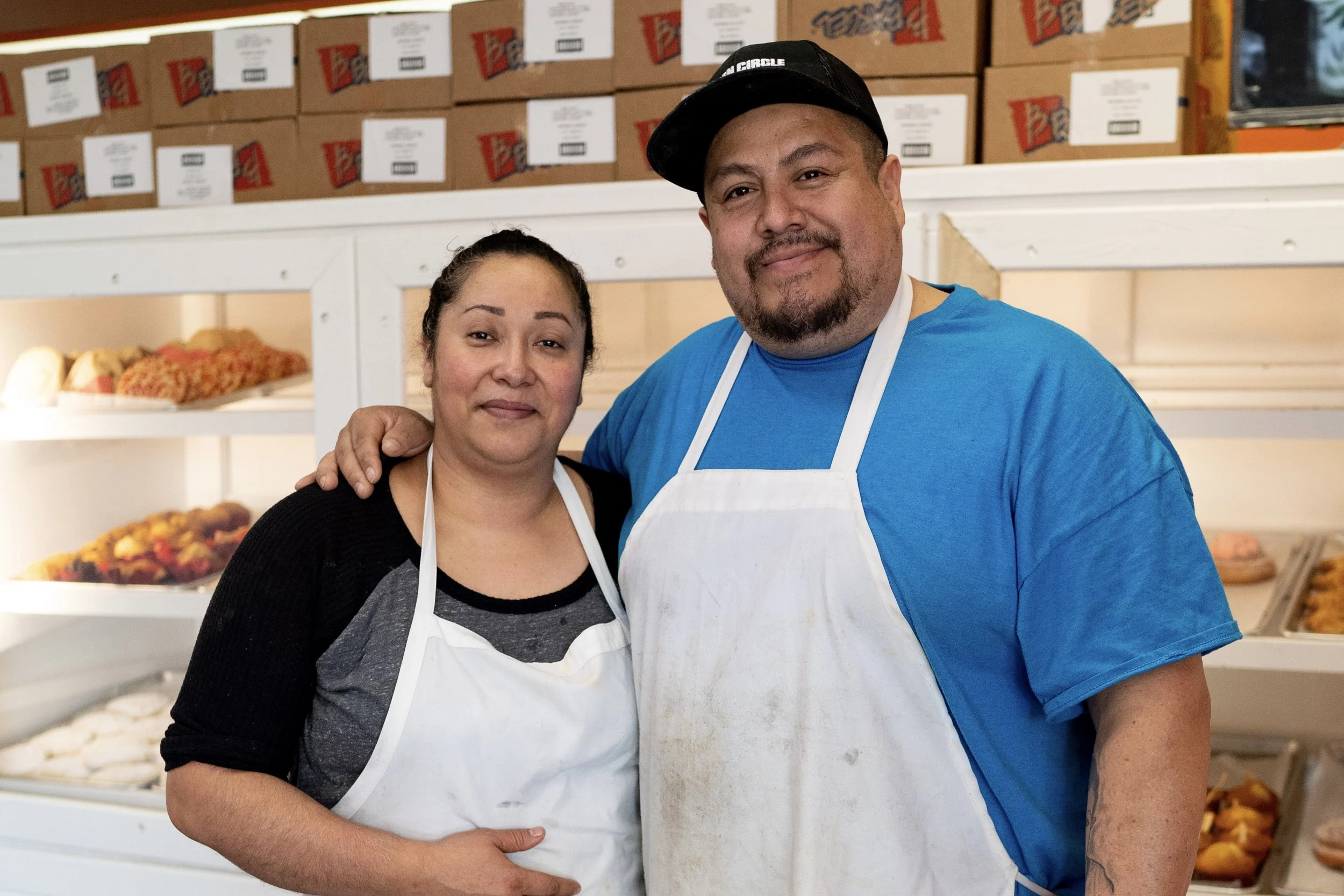
Ismael and Angelica want the Jackson community to know that they are here to serve and build community. Their bakery is not just about selling bread; it's about breaking bread and building friendships, creating a sense of home for everyone who walks through their doors. They believe it's important to pass down their traditions to their children so that their culture continues to thrive.
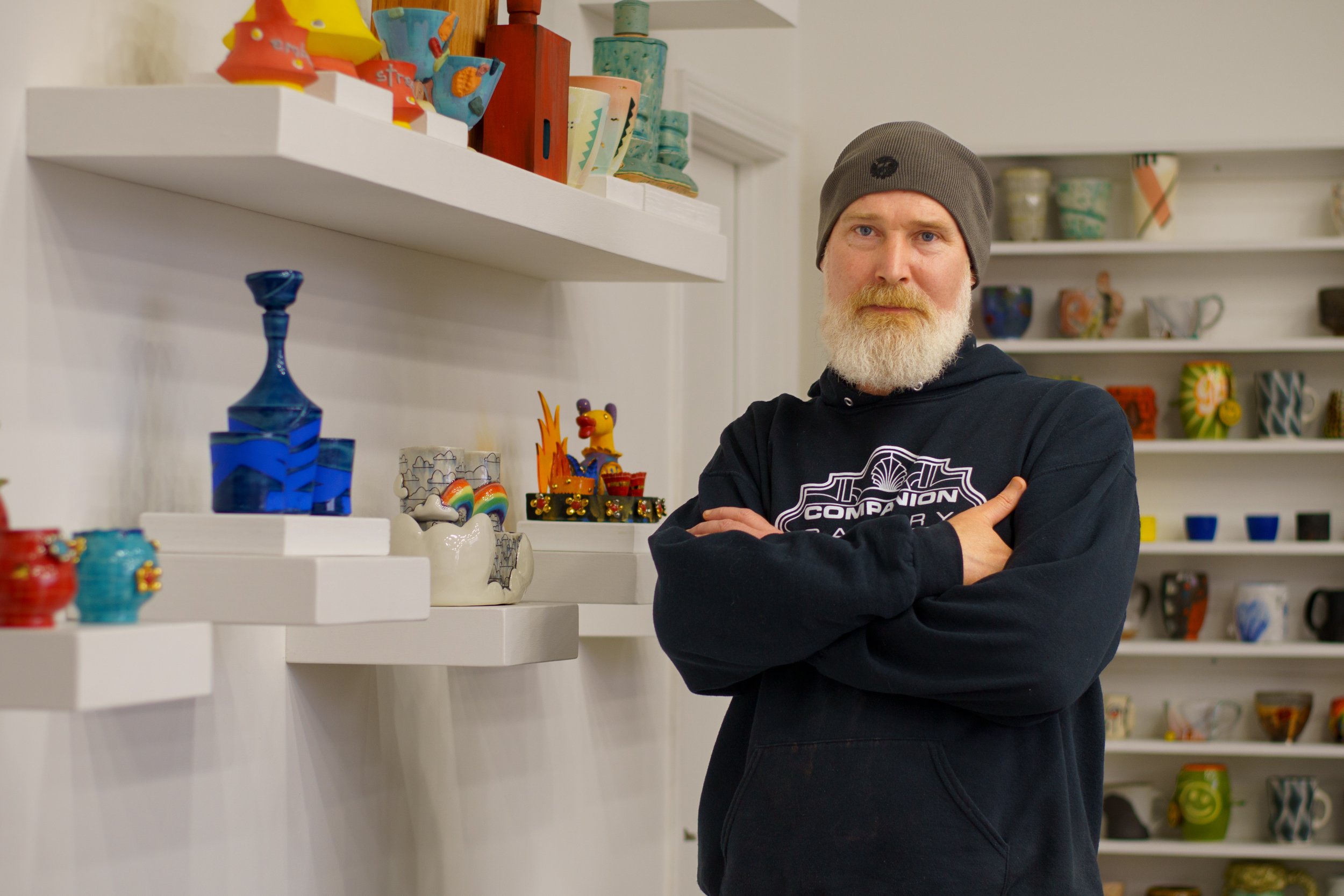
It’s three-thirty in the afternoon when I walk through the front door of Companion Gallery and East Mitchell Clay. As I enter, I step into a gallery space. The lights are off, but that serves as little distraction from the room’s stark white walls adorned with small shelves that hold a kaleidoscope of ceramics. Every wall is covered. Display tables sit in the middle of the room, also adorned with collections of intricate clay pieces.
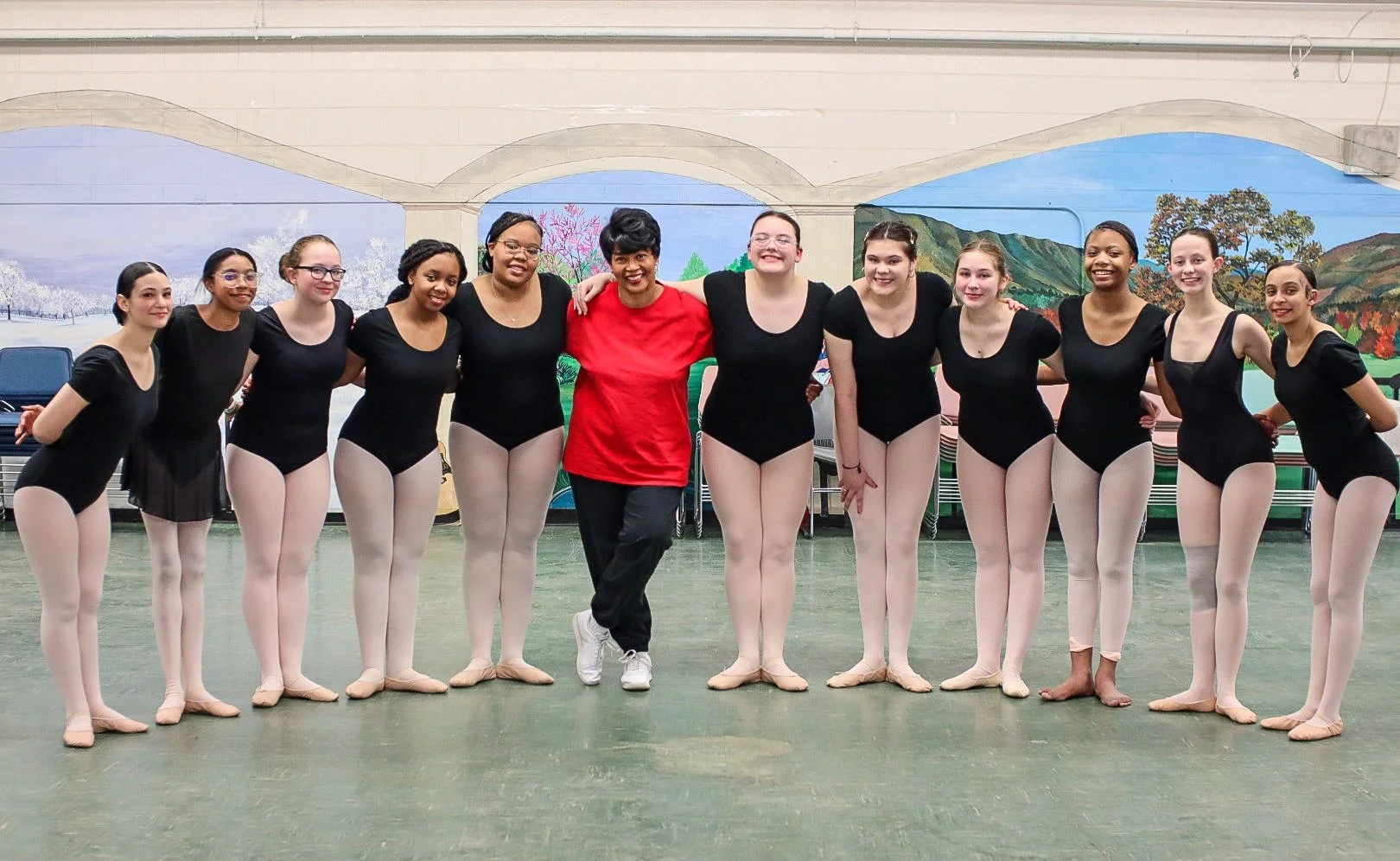
“I just need a space to dance,” Mona Lisa Lanier said to me as she flicked on the lights of a former elementary school turned community recreation center. The room, once a classroom, is now a dance studio with mirrors and photos of dancers in brightly colored costumes lining the wall.
Lanier proudly pointed out her students and how much they’ve grown since these photos were taken.
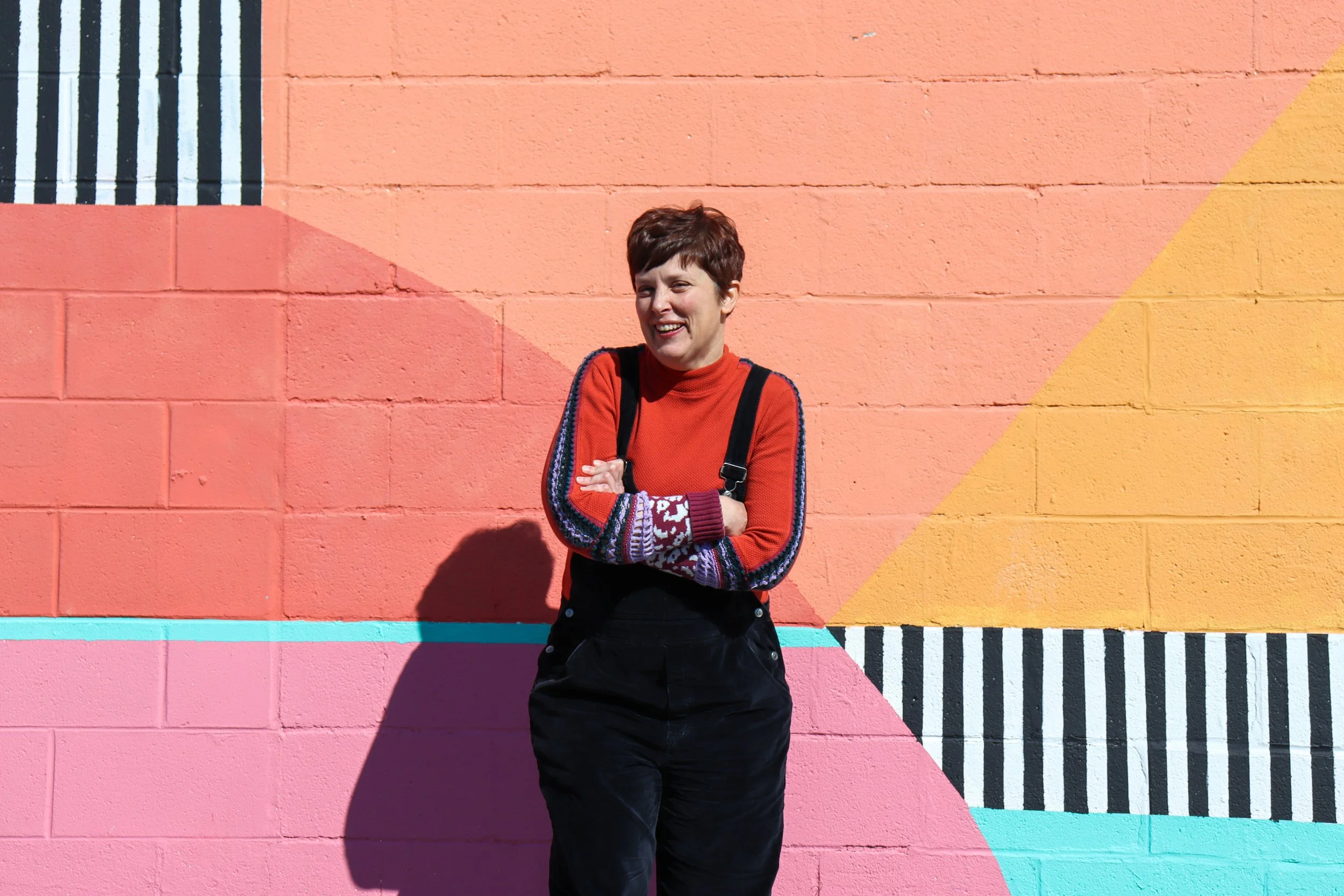
Since 2020, Ellen Bennett has served as the Online Sales Manager of Regional Inter-Faith Association (RIFA) and is widely known in the Jackson community for her item listings in the RIFA Auction Group on Facebook. Twice a month, she conducts an online auction with around 80 unique items — all previously donated to the organization — for the public to bid on throughout the week. The proceeds of every auction item go to RIFA, a Jackson-based nonprofit with a mission to fight hunger locally, so item winners get to help provide meals to food-insecure members of the community with their purchases. For each listing, whether it’s a mid-century lamp, a tricycle, or a vegetable chopper, she comes up with a compelling description that’ll have anyone hooked.
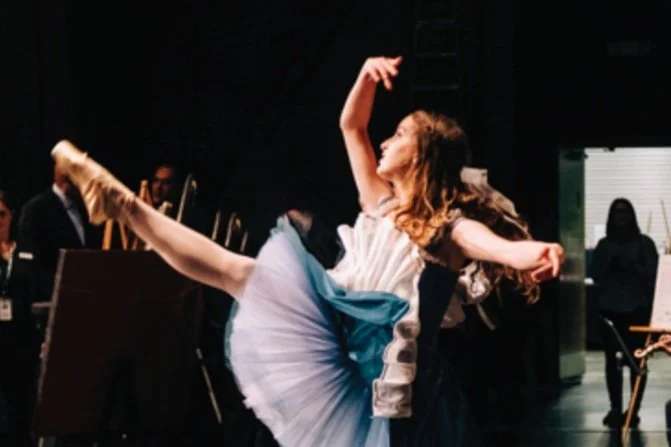
When we discuss the benefits of investing in the arts, we often talk about the beautification of our neighborhoods and the significant impact that the arts have on our economy. Although those are powerful ways that philanthropy directly impacts the arts that should continue to be robustly supported for the growth of all communities, we often overlook the critical benefits of providing arts access to students.

The City of Jackson in partnership with JACOA and First Methodist Downtown recently opened two free community fridges at 900 E Chester St and 200 S Church St. This project is sponsored by the highly-competitive 2022 AARP Community Challenge grant, awarded to the City of Jackson as one of 260 quick-action projects out of 3,200 applications nationwide.
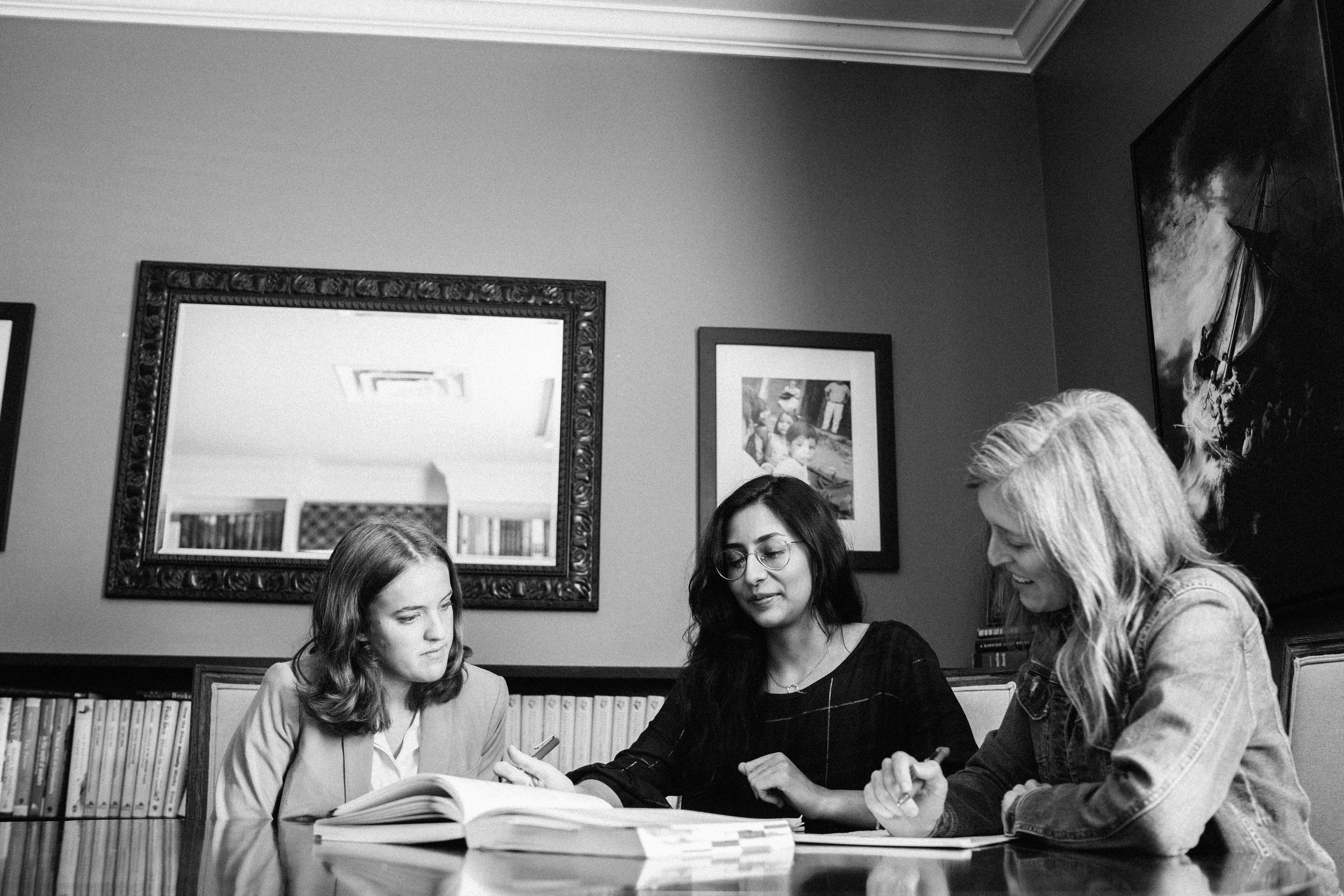
If there’s one shared value Southerners agree on, it’s probably hospitality. Hospitality comes naturally to us when it comes to a dinner party, where our guests will be treated to an extra heaping of cobbler and a box of leftovers to take home.

A Jackson Police Department officer stares into the face of a woman working as a prostitute; his only option was to arrest her. He had no evidence or proof to arrest the man who was likely her trafficker. But where would the officer take her? Years later, this same officer would write a check to the Scarlet Rope Project, a home for survivors of sex trafficking.

As I parked in the lot in front of the depot last week and stood in front of the big green doors I have seen so many times before, this place felt different. The outside looks much the same, but the way it made me feel was unfamiliar. Something is happening inside those walls that drew me in and the whole place feels very much alive. There is a purpose, really a person, behind that energy. A woman has put feet to a dream, and our whole community has a front row seat to watch her dream unfold.

Sabrina Blue was certainly no different. When I arrived in her office on the second floor of the Helping Hands of Tennessee clinic, I watched as she, quite literally, sped around the space outlining changes and additions to a contractor who was doing his best to keep up. I would later understand this to be a metaphor of how she lives her life — fast, measured, with purpose.
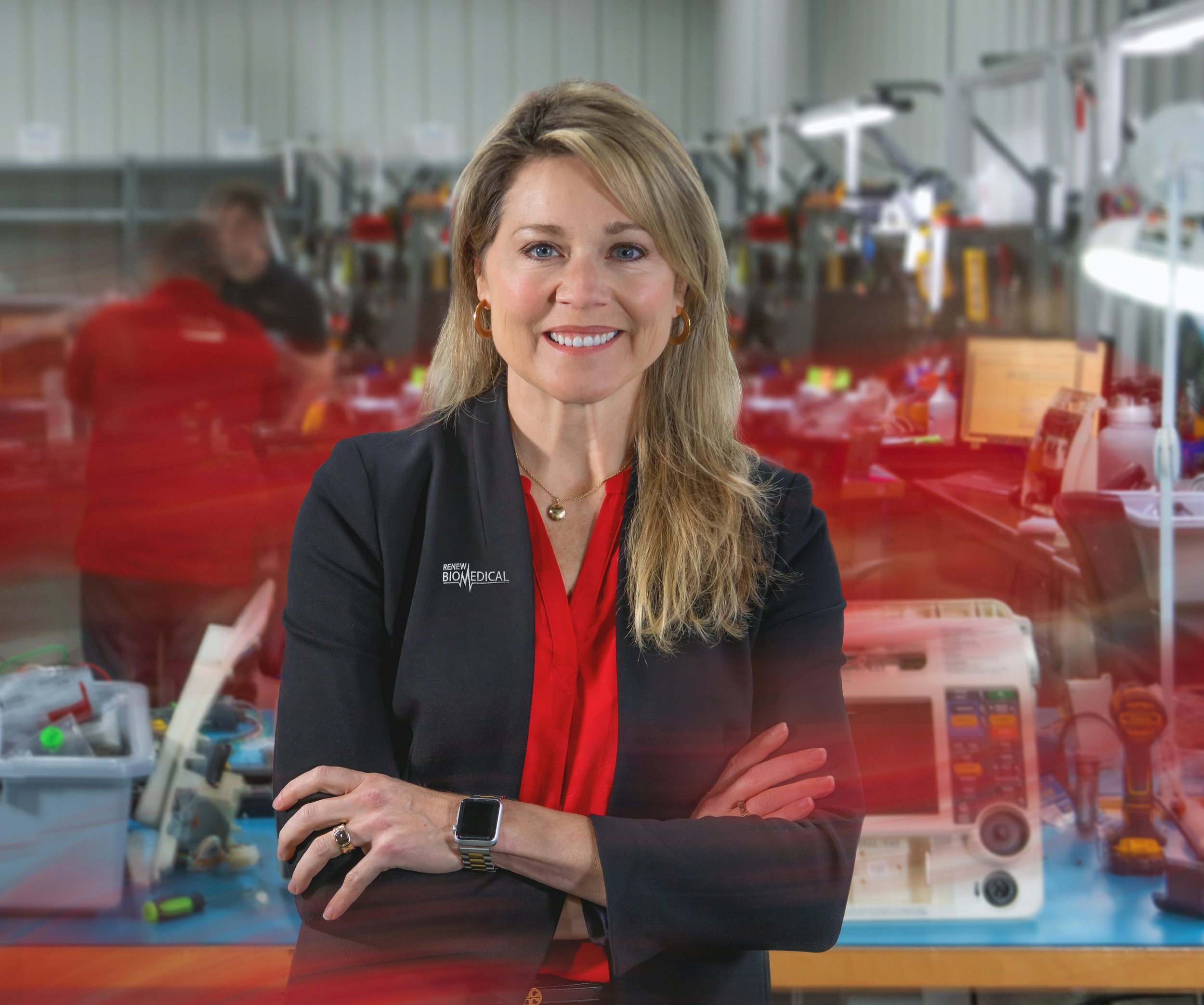
How do you go about creating a workforce out of thin air? This is the problem Jill Taylor, Co-Owner of ReNew Biomedical and Master Medical Equipment, faced in 2019. ReNew is a full-service medical equipment depot in Jackson, TN, specializing in repairing, servicing, and maintaining complex medical equipment. Over their seven years of operation, ReNew earned licenses to work on a wide range of Professional Grade equipment, including ventilators, AEDs, defibrillators, vital signs monitors, IV pumps, and more.

Le Bonheur is a French phrase meaning “happiness” – a phrase that lends itself quite naturally as the name for a club dedicated to knitting and sewing for the benefit of others. So in 1923, a local band of women gathered together to do just that, naming themselves Le Bonheur Club. This small but powerful sewing group began making clothes for children living in Memphis’ Leath Orphanage. What came from their pursuit of happiness for children is incredibly extraordinary in impact and scope.

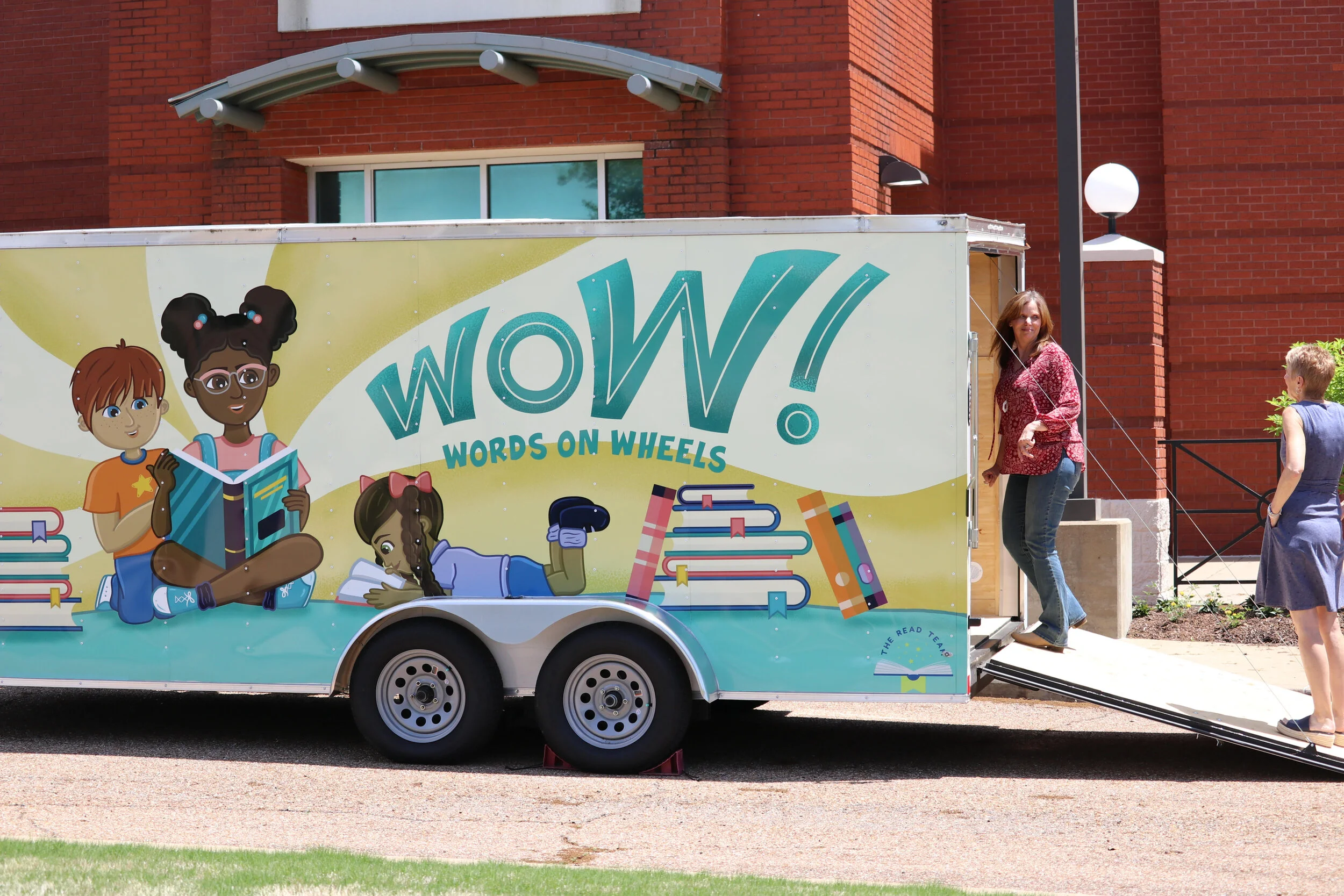
The expert in neighborly love, Fred Rogers, said: “We live in a world in which we share responsibility. It’s easy to say ‘It’s not my child, not my community, not my world, not my problem.’ Then there are those who see the need and respond. I consider those people my heroes.” Jackson is full of heroes. So many, in fact, they can’t all fit on this list. These are brief snapshots of a few ways our community is showing up for our village of children. As you read about the different organizations investing in JMCSS, consider how you can join them.
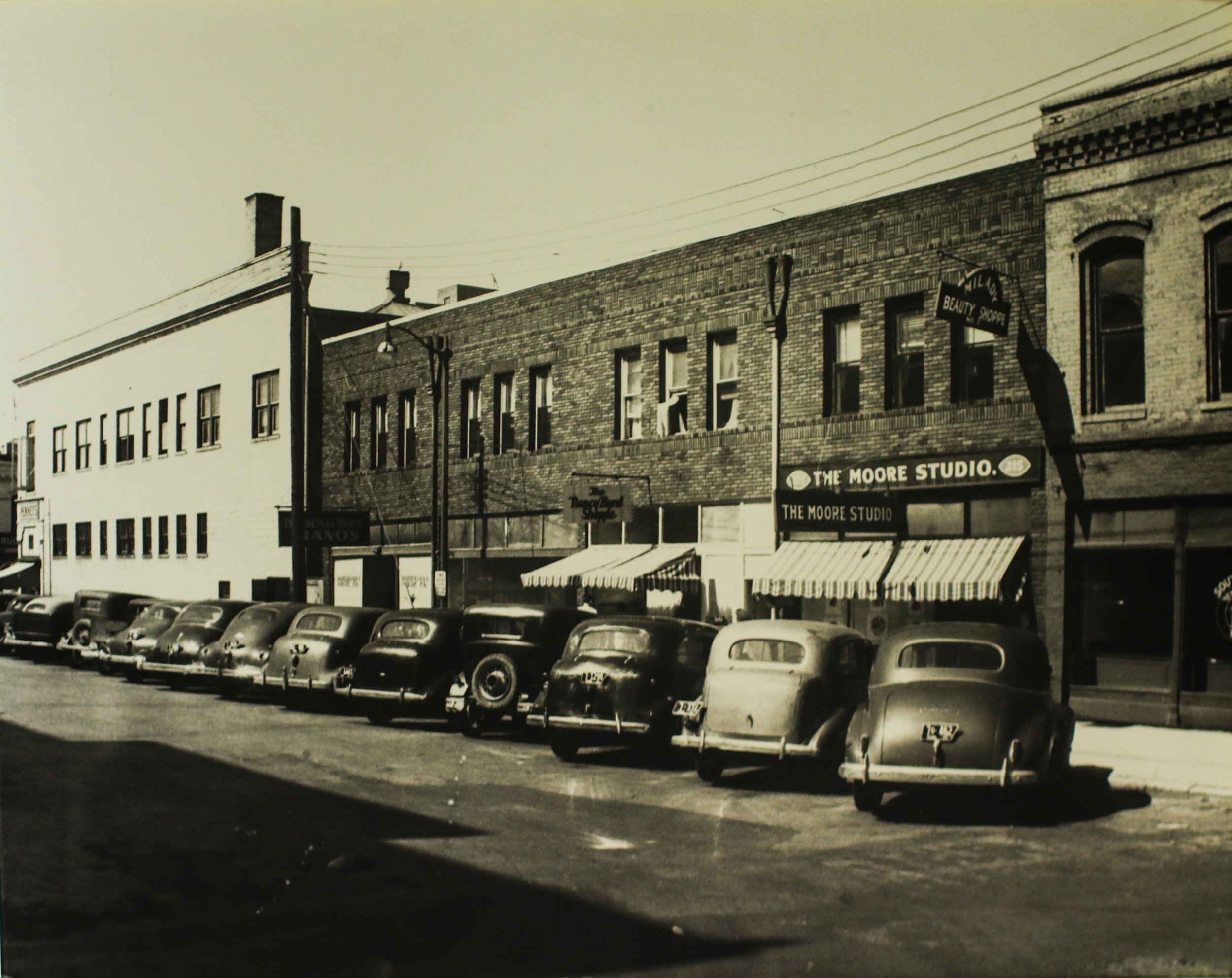
If you've spent any time in downtown Jackson, or had a drink at The Downtown Tavern, you’re probably familiar with Moore Studio — and more importantly, Mr. Carter. I first met Mitch Carter when I had just moved to West Tennessee. I was young and impressionable and Mr. Carter most definitely made an impression on me. He could charm the venom out of a copperhead, entice the stoic to giggle and cut up, and make the most trepidatious about having photos done feel presidential when he was finished making their portrait.

When you walk in the door of the Keep My Hood Good building, you are greeted with a wall covered in framed photographs of smiling children. I had only gotten a few steps in the building before she was telling me stories of students who had overcome and succeeded. She beamed as she told me about how one student had graduated high school and chosen to enlist in the military and was thriving.


With the renewed focus on sustainability in our shopping habits, Christmas on its way, and COVID-19 making our pockets lighter, the art of thrifting and antiquing is essential today. Thankfully, we have several locally-owned antique and vintage stores in the Jackson area. The perfect gift for a friend, family member, or yourself is waiting for you right here in the 731. You may find some truly wonderful mid-century modern pieces, handmade local crafts like soy candles or macrame wall hangings, Southwestern blankets, Turkish kilim rugs, used books and vinyl, and more at these locations. All you have to do is be patient and look!

Food, and my relationship with it, is an important facet of not only my personal identity, but also of my culture, and the culture I grew up in. I believe food is spiritual and that the act of creating, serving, and eating a meal is an act of holy worship — a practice of religion. I myself am agnostic, but sometimes when I make a meal for my fiancé after a long day's work, or when I eat something special made just for me, I can see the existence of God.

JKSN. If you know, you know.
You also probably know if you live in West Tennessee because those four letters have been seen often on t-shirts over the past year. JKSN is Jackson minus the vowels and a silent “c.” There’s no room for passivity or wasted space with this brand. There’s no need for vowels, either. Vowels are melodious and can stretch words without necessity. Consonants are sharp and strong like the letters on the shirt and the city they represent. JKSN. Jackson. If you know, you know.

For as long as Morgan Carkuff can remember, her parents have been collectors of one-of-a-kind antiques. “I remember drawing on an old Thomas Edison Tracing Table from the 1800’s and showing friends the eclectic mix of the turn-of-the-century and modern items hung on the wall or sitting on shelves,” Morgan reminisces. The list continues with interesting artifacts such as an old tintype photo of Jesse James, international love letters from war, pristine arrowheads, and a boutique of small items too special to describe in words.

When was the last time you thought about what you wanted to do with your life—what you really wanted to do? When you thought about your dreams and wondered if it’s time to take a risk? Last summer, Beth Wilson and her husband, Lee, sat down to take an honest look at their lives and ask questions about where they wanted to be. Through that conversation, a business was born. Beth’s business, Wisdom House, launched on November 7, 2018. Through it, she sells distinctive and/or vintage home décor items, as well as offering home design styling and consulting.

On the corner of Carriage House Drive and Wiley Parker Road sits a white building with the words “Madison Place” in big, bold letters over a series of black panel windows. I would assume that if you walked up to most anyone you know that frequents Jackson, Tennessee, and mentioned Madison Place, they’d say, “Oh yeah, that’s the place with the hair salons in it.” Well, friends, business owner Jensen Vinson wants you to know that Madison Place is not just hair salons. “Madison Olive Oil is Jackson’s best-kept secret!” she tells me, and she’s right.

At the end of every school year, I have my students create a portfolio of different types of original poetry. I’d like to think I do it in order to foster their creativity, but it’s really because I’m too lazy to grade eighty-four final exams. Either way, it’s a win/win for all of us: they get to write sonnets and pretend that they’re actually writing their first rap hit, and I get to sit back and not grade bubbled-in answer documents. One poem they always struggle with is an elegy.

Blares of music echo throughout the Harris Sports Performance building as members enter through the silver steel door. Familiar with the daily bootcamp routine, they huddle around owner Nicholas Harris, prepared to stretch before the intense workout. Harris’ tenacious voice magnifies as he briefs his clients on the selected workout, pumping up the team. “Whatever your 100% looks like, give it!” he says. “Like always, we are here to work hard and give our best, so let’s get it!”

If we could create a community that lets people thrive, prosper, and grow with safe streets, better schools, and improved infrastructure, along with economic growth, prosperity, and a better quality of life for decades to come, would you want to be a part of that vision for our community? For me, the answer to this question began fifty-four years ago just thirty miles up the road in the small rural town of Dyer, Tennessee. As a young boy, nothing excited me more than Saturday night when my family would load up in our white Ford Galaxie 500 and drive south to the big city of Jackson.

I can’t quite remember my life before The Great British Baking Show, but for that I’m grateful. If you’re unfamiliar with this British TV show that’s invading America and likely your Netflix watchlist, you really are missing out. Polite bakers, quirky hosts, scrumptious desserts—I mean, come on. It’s a true cup of tea, and as a former baker myself, I often daydream of creating my own treats under the white tent in that storybook-like field. All throughout high school, I was known as “the cake girl.”

As I sat near the window at Starbucks, a man wearing brown leather boots and a denim jacket hand-stitched with the name “Wolf” immediately caught my attention. Though I had heard and read many things about Lee Wilson, I had never met him up until this point. As one of the co-owners of Jackson Escape Rooms and a winning contestant of CBS’ reality show, Hunted, Lee has proven his seemingly uncanny ability to strategize and solve problems, a skill that far surpasses his knack for style.

“third wave coffee.” noun. 1. The most recent cultural phenomenon in the history of the coffee industry and consumption. Comes after the first wave of coffee, which included “growing coffee consumption exponentially,” and the second wave of coffee, which began to “define and enjoy specialty coffee.” 2. Purchasing coffee due to its “origin and artisan methods of production.” 3. A movement aspiring to produce the highest quality of coffee possible at every level while pleasing and intriguing the coffee consumer. “UrbanHouse.” noun.
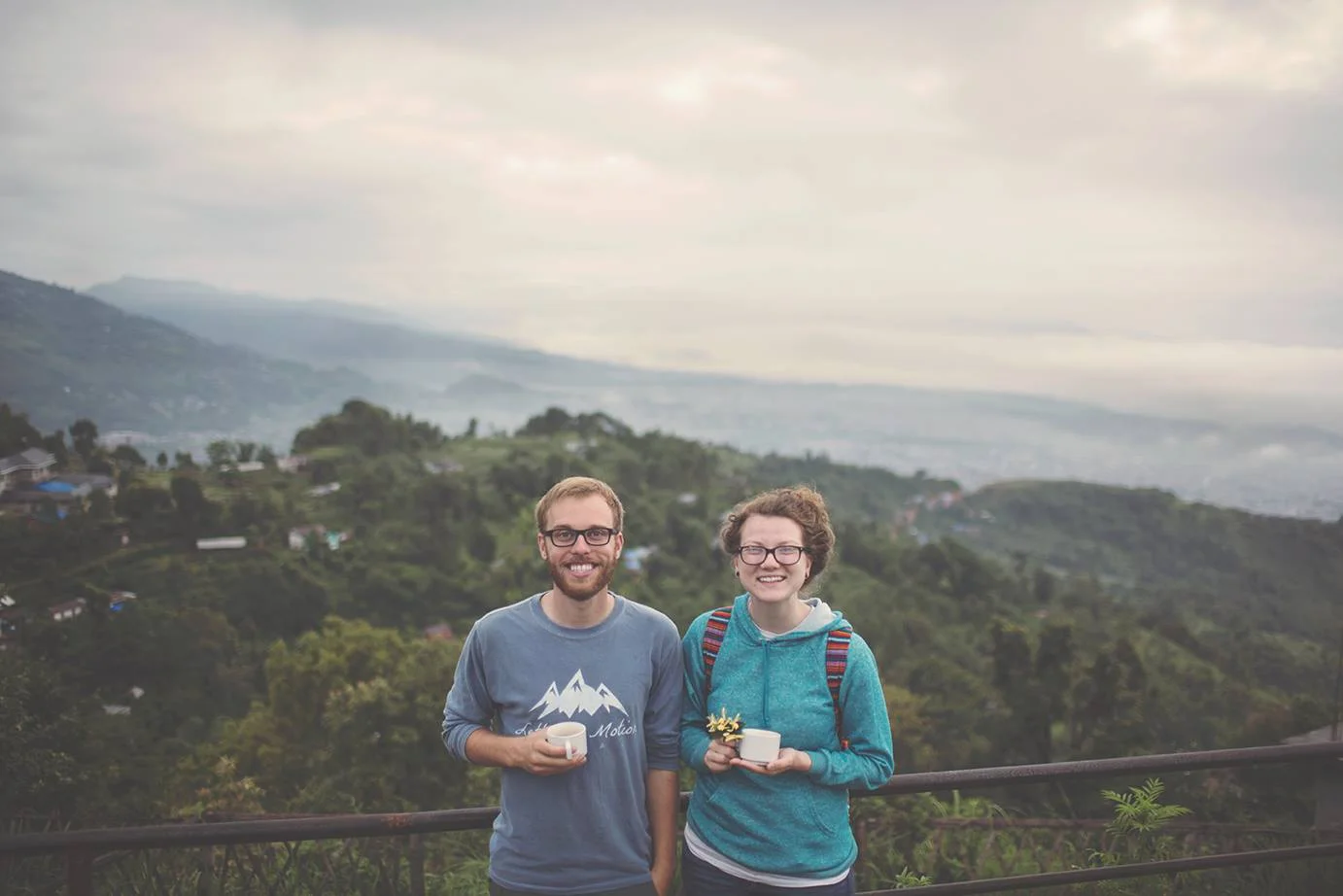
Martin, Tennessee, is a town with a population of around 11,475. It’s known for its annual Tennessee Soybean Festival and for the University of Tennessee at Martin. If you drive down University Street, you’ll go right through the university, pass by Sammie’s (an aptly-named sandwich shop), and mosey by several boutiques and small shops. It’s a small, charming place. Locals support the UTM Skyhawks and the Westview High School Chargers and eat at The Grind.
music

Music is something that has forever been woven into the culture of Jackson. While Carl Perkins and the Rockabilly sound are what most people think of first, that staccato rhythm and piano twang is only a part of what Jackson’s music scene was and is. The musical talent that Jackson has produced — from Full Devil Jacket to Erin Rae to LOLO — is as diverse as the community. The problem, though, is that Jackson never had an infrastructure to develop that talent. At least not until now.



Music is something that has forever been woven into the culture of Jackson. While Carl Perkins and the Rockabilly sound are what most people think of first, that staccato rhythm and piano twang is only a part of what Jackson’s music scene was and is. The musical talent that Jackson has produced — from Full Devil Jacket to Erin Rae to LOLO — is as diverse as the community. The problem, though, is that Jackson never had an infrastructure to develop that talent. At least not until now.

On Sunday morning at Historic First Baptist Church, Stedman Roebuck stands ready at the keyboard, looking out over the congregation. As the preacher’s voice rises, and a tune rises with it. He moves with the music, with the crowd, with the lifting of voices. Hands are raised and tears fall. Shoulders relax into a place that feels like home.

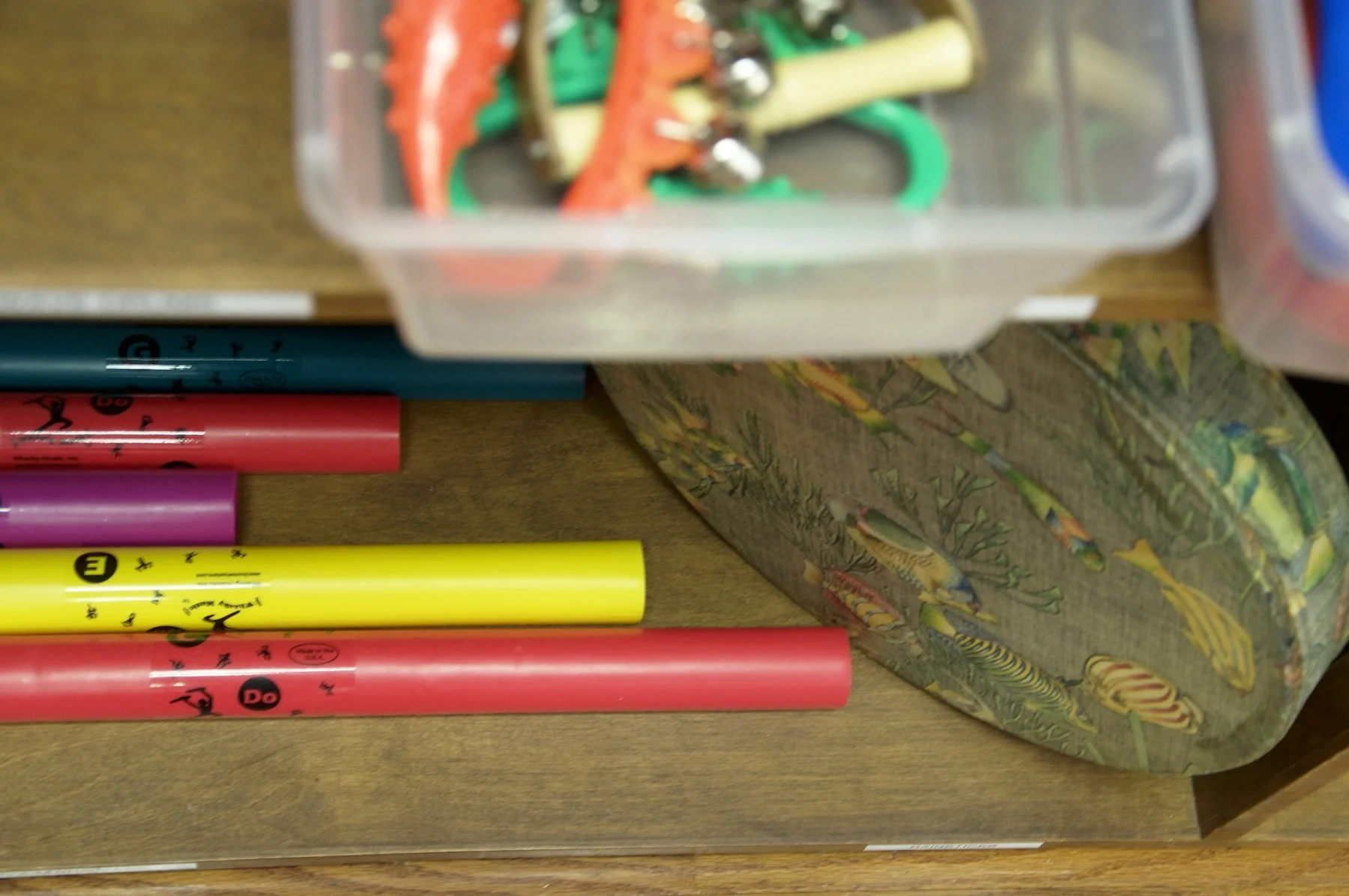
“We don’t like it to look too clinical,” remarked Chrissy Watson, board-certified Music Therapist at the STAR Center as she pulled out her guitar. The room’s lavender walls and smorgasbord of colorful instruments, complete with Watson’s warm guitar strums, banished any thought of the adjective “clinical”. Yet, this little room holds sessions where tangible healing takes place.

Grey skies, constant drizzling rain, drooping trees, and whipping cold wind welcomed us into Covid-19 quarantine with a sky that matched our spirits. My husband Rob and I had just moved into a new house a month before the pandemic and were finally feeling settled. Life pre-March was fairly routine. I

However one might choose to gauge her, Lauren Pritchard, who goes by the stage name LOLO, does not situate comfortably into the traditional West Tennessee templates assigned to a middle class white girl. The church choir, theatre class, prom-going standards simply don’t work.
At the end of every school year, I have my students create a portfolio of different types of original poetry. I’d like to think I do it in order to foster their creativity, but it’s really because I’m too lazy to grade eighty-four final exams. Either way, it’s a win/win for all of us: they get to write sonnets and pretend that they’re actually writing their first rap hit, and I get to sit back and not grade bubbled-in answer documents. One poem they always struggle with is an elegy.

If you drive through the suburban sprawl surrounding Nashville, headed west towards Jackson, Tennessee, the rolling hills will soon taper to level ground. You’ll know you’re almost there when a field of trees swallowed in kudzu forms hovering masses, almost like ancient creatures gathered alongside the road. We don’t think about it too much, but there’s something to the landscape of a place. Plenty of artists have tried, but it shapes us in ways we can’t quite name.

When I was young, my family would take vacations to different cities to watch baseball games. While I loved baseball, the thing I looked forward to the most was seeing the skyline of whatever city we were visiting. In my single digit years, it was always St. Louis. Driving past the multitude of Drury Inns in the suburbs and waiting for the skyline to materialize in the distance never got old. Seeing the Arch stretch across the sky is something I can still see in my mind today. As I got older, the cities became larger: Los Angeles, San Francisco, Chicago, New York.

I had a college professor tell me once, “Remember, you are changing your generation and the generations of the people around you.” Those words are so true and are still relevant in my life today. In fact, that professor was living proof of that statement by changing my life with mentoring, advising, and pushing me to be better. It was not just that one professor, of course. There were (and still are) many people who continually wanted to invest in me as I grew up here. My father and mother met at Lambuth University, but my dad was not in school there.
“third wave coffee.” noun. 1. The most recent cultural phenomenon in the history of the coffee industry and consumption. Comes after the first wave of coffee, which included “growing coffee consumption exponentially,” and the second wave of coffee, which began to “define and enjoy specialty coffee.” 2. Purchasing coffee due to its “origin and artisan methods of production.” 3. A movement aspiring to produce the highest quality of coffee possible at every level while pleasing and intriguing the coffee consumer. “UrbanHouse.” noun.

Maybe it will be a high school production of the musical Camelot. An exhibit of stunning photography by a local class may catch your eye. Perhaps you’ll just want to see the downstairs museum, where dozens of photos, plaques, awards, and costumes recall the acting careers of Dixie Carter and her husband, Hal Holbrook. What will bring you to The Dixie? The Dixie Carter Performing Arts & Academic Enrichment Center is a historical performing arts and enrichment center in Huntingdon, Tennessee.

I bought the most reasonably-priced vinyl record of my life at a record store in Jackson. This is the kind of sentence I never thought I’d write. For one thing, reasonable prices, particularly for a brand new, remastered vinyl of an iconic rock star like David Bowie, are hard to come by in most record stores. If you go to Wuxtry Records in Athens, Georgia, you’ll find records for around twenty to thirty bucks.
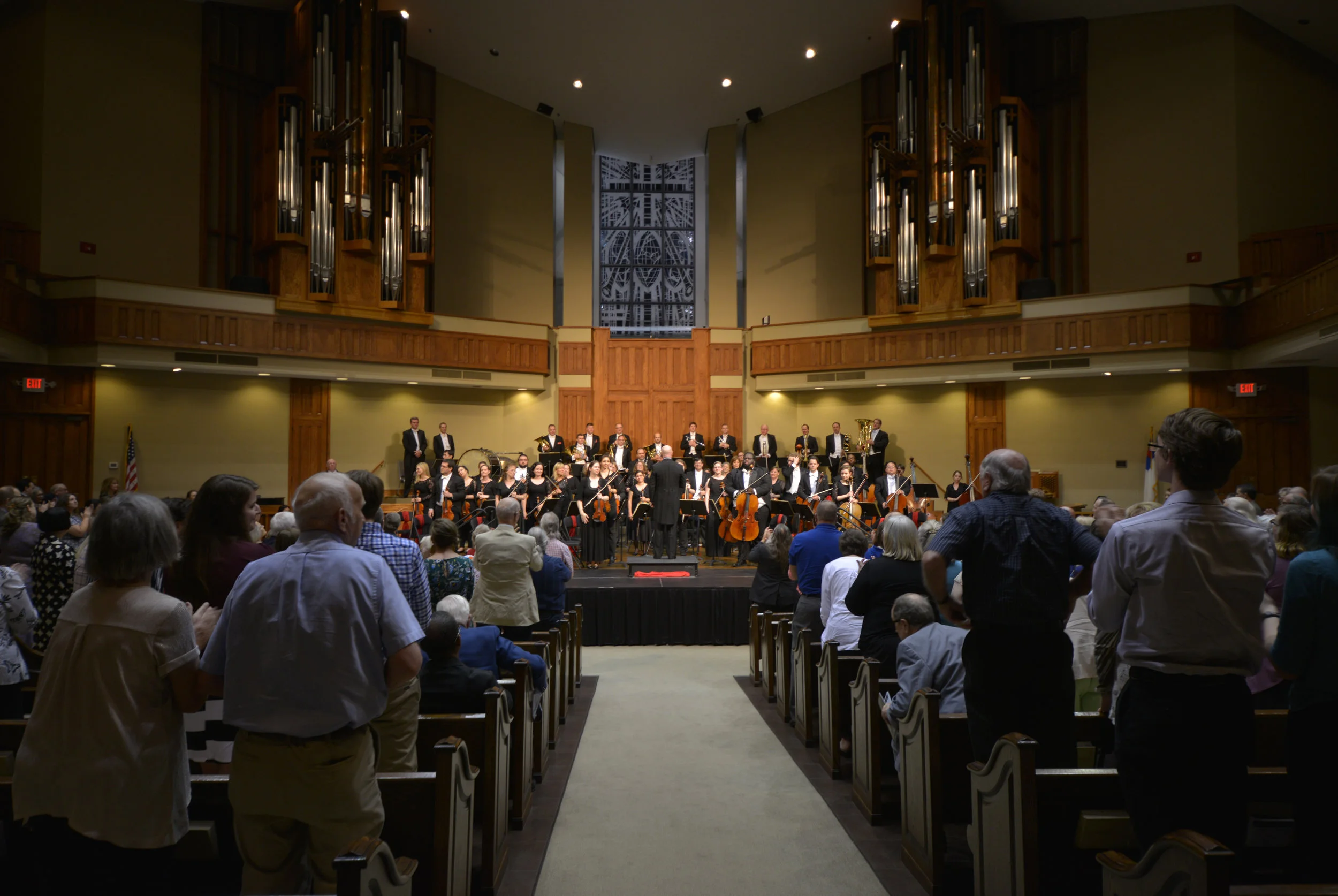
Great art is meant to be experienced. It is not enough to see a picture of a painting by Delacroix or Jacques-Louis David in an art history book. You must tramp across the wide corridors of the Louvre and encounter them in all the massive, unbelievable glory and beauty; anything else is only a poor substitute. This sort of artistic experience is a great blessing, and it explains why so many people continue to visit the great museums of the world.

If you have been to a lazy weekend day the West Tennessee Farmers’ Market or a night out at one of Jackson’s finer dining establishments, then you are no stranger to the soothing sounds of Scott Myatt’s music. Myatt’s song, a mixture of melodic singing and guitar playing, is a familiar sound often filling the air throughout our city. A part-time musician and a part-time visual artist, Myatt brings his lyrical touch on the senses to locals as a proud citizen of Jackson.

There is a little Italian café in Geneva, Switzerland, that sits just across the street from the headquarters of the United Nations High Commissioner for Refugees. I found myself there one rainy morning in February hunched over coffee with a colleague. We ran through the updates of the people around us who were doing their best to keep their flags flying in the midst of deep decreases in global budgets and broad increases in needs for life-saving work in areas such as human rights and global health.

All my life I have heard people talk about how time flies. I have never actually witnessed a clock sprout wings and take off, but as a child, that's the only way I could picture time flying. As I got older and little bit wiser, I knew clocks did not really fly and understood it was just a figure of speech—but to me, it seemed like a joke because time felt like it was crawling. For many, it becomes a reality when children are born. One minute, you're holding your precious baby; the next, they are having babies of their own.

When you interview a guy you’ve known for years—a guy who has had dozens of articles and interviews published since the launch of his business—the thing you are probably the most aware of is the desire to be original in what you put on paper for the whole world to see. If nothing else, don’t be cliché about it. So that was my goal as I mentally prepared myself to interview Sam Bryant, owner of Samuel T. Bryant Distillery here in Jackson.

There’s a new show in town; Jackson, Tennessee, has been chosen to host the inaugural TN Music Awards. The TN Music Awards is a red carpet event focused on fostering community feedback, supporting local music, and expanding entertainment. Nathan Hunnicutt, along with the Jackson Area Music Society (JAMS), has been planning an event like this with Jackson in mind for some time now.

Let’s suspend our thought for the next ten to fifteen minutes and imagine what could be. Let’s not think about dollars and cents or logistical structure. While those things are necessary, they’re not for us right now. What we need are open minds and unencumbered ideas about what our downtown might possibly be if we could just think a little bit beyond what we’ve always thought. I’ve seen it. I’ve seen beyond. I’ve seen what downtown Jackson could be if we could just all get on board.
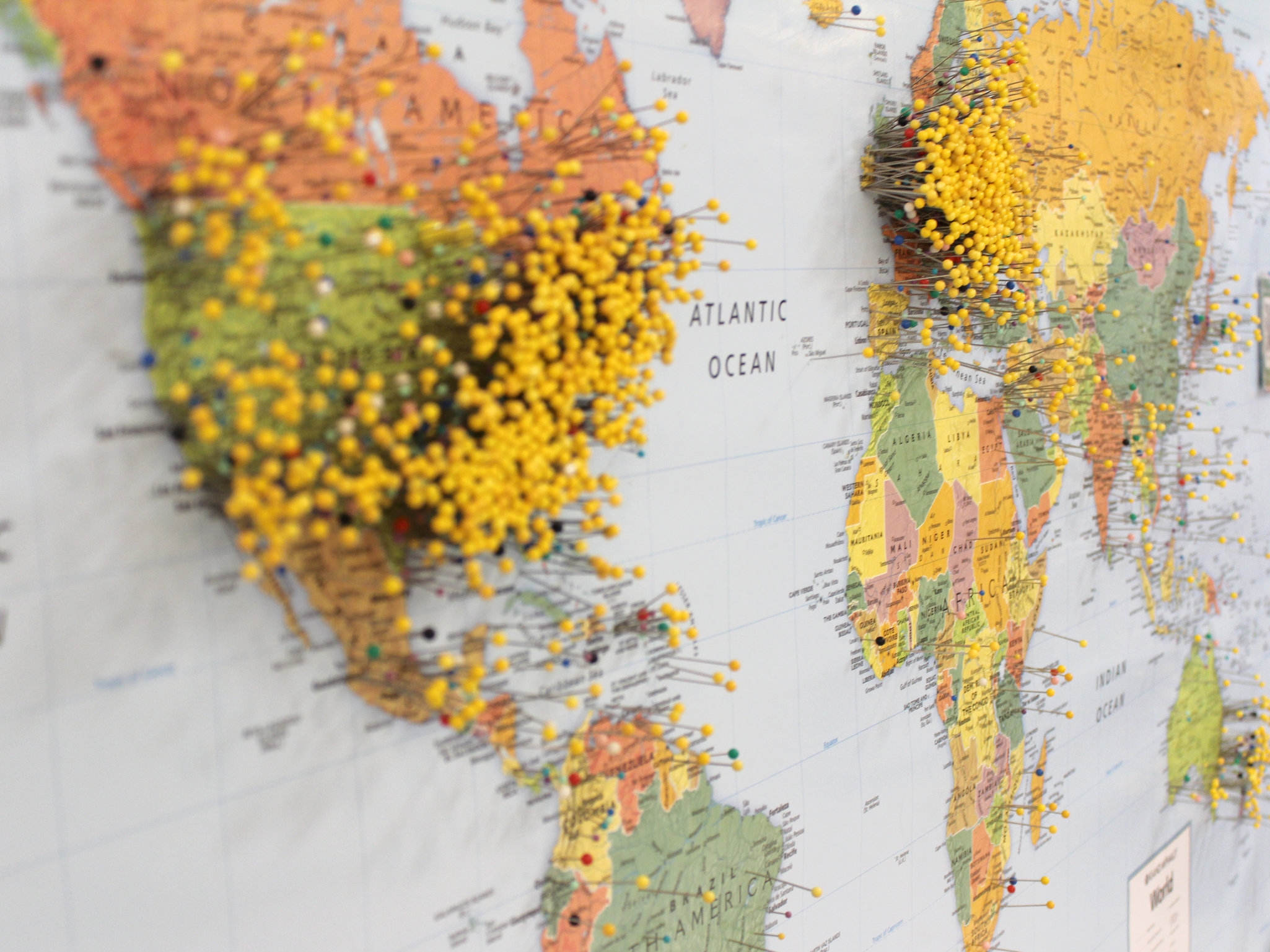
Walt Disney World, Gulf Shores, Baton Rouge, France, the Bahamas, the Yucatan; these are places we go to retreat from the normalcy of life. These are the destinations of our vacations, our free week off from work to do what we want. Yet retreating to something different doesn’t have to mean venturing beyond state lines. As native West Tennesseans, we forget the vast culture and history that surrounds us.

It can occasionally seem desirable to be someone else. Perhaps to be someone who doesn’t feel what we feel or who says the right things (or who doesn't care that they don’t). Sometimes I’d like to slip out of myself like an outfit poorly chosen at the beginning of the day and roam about for the rest of the afternoon as another person, as someone who is not me as I or others know myself but who in some way still reflects something essentially true about who I am.

Sometime between fifth grade and high school my dad altered my musical taste. I didn’t understand it at the time, and I have to give him credit because it was subtle, but now that I have two kids of my own toting around digital devices, filtering all means of communication in the home is an important part of parenting. What does that have to do with the short documentary I recently produced? Today lovers of R&B music have no fewer than four radio stations in Madison County to get their fix.
![Cheaper By the [Half] Dozen](https://images.squarespace-cdn.com/content/v1/55de137ce4b0edc068bce14d/1485189104343-WRBIE19N36Q02UV45QNW/IMG_1232.JPG)
We’ve all seen our fair share of family-focused reality TV. Men, women, and children sign up to put their lives on display for all to see. So what does that look like in Jackson, Tennessee? The recently launched web series, Loving My 6. Now happily married for over ten years, John and Timond Williams are the parents of six children under the age of ten.

Some of my favorite things about Jackson’s many weekend entertainment options are the gambling, exotic dancers, and running from the cops. Of course, I am a sucker for the more romantic selections as well, including salsa dancing and island-inspired drinks, all of which can cause a woman’s inhibitions to wave bye-bye at the door. All of these are what make Jackson what it is—a lively city teeming with less-than-honest citizens looking for even less honest entertainment.
“We help any person with any disability realize their potential.” Star Center President Dave Bratcher’s summary of the non-profit is simple, but a tour of the facility will quickly show just how far it reaches into the community. Since their start in 1988, they have grown into a thriving center serving a wide range of clientele by listening to the needs of the community.

Entrepreneurs are sometimes the kind of people who come up with an idea and ruthlessly execute it. Others stumble into businesses ownership when their hobbies or passions lead them down a winding path of challenges and unexpected joys. Walt and Michelle James, the new owners of the Downtown Tavern, fall into the latter category. They are a pair of charitable entrepreneurs who were flung into the revitalization of downtown Jackson.
art

What’s special about photography is the unique eye each person has. In my work, I’m drawn to warmer tones, capturing the moment a perfectly-placed ray of sunshine makes a subject light up, or finding exciting scenes in a normal stroll down the street. Simple colors, light, and composition can make any shot one of great beauty, we just have to train our eyes to see it. My hope in sharing these photos is that you’ll begin to see more of what my eyes see, beauty in the wayside.


The City of Jackson saw the arrival of its first film festival this August, thanks to the leadership of one local filmmaker who decided to bring her idea into reality. The Hub City Film Festival was hosted at the Ned R. McWherter Center in August and featured an opportunity for locals to view movies made by filmmakers from the West Tennessee region. In addition to the film viewing, attendees were able to hear from these local filmmakers in panel discussions and Q&A sessions that occurred periodically throughout the festival.

David McCall found his home in local theater, and now he is opening that door to the whole community. The Director of The Ned Ray McWherter West Tennessee Cultural Arts Center described his return as a full circle moment.
“I have skin in that game, and I know what it can do, and it changed the trajectory of my life,” David said.

"Film is an art I think we take for granted, but it’s more than just entertaining. It can be healing and joyful for both the filmmaker and the viewer. For me, there is just something about when the lights go down in the theater, no one else but you and the screen. Who you are is acceptable here no matter what.”

As our city has grown, there has been a sort of migration of international families and individuals to Jackson. Of these different people who have ventured overseas to temporarily build a life here, the Japanese community in Jackson is one group that has seen significant growth in the past decade. This growth has flowered into a thriving community that is impacting the landscape, growth, and development of Jackson, Tennessee, and can teach our city valuable lessons about both place and culture.
When my husband Charlie and I started dreaming about the future of the frame shop that has been in his family for three generations, I always knew that there was no future, for me, without including gallery space in some capacity. Custom framing would always be the major part of the Havner’s equation, but I simply could not see a way to move forward with our version of the shop without a way to bring our community together in a meaningful way, and I knew art was the ideal vehicle to do it.
It’s three-thirty in the afternoon when I walk through the front door of Companion Gallery and East Mitchell Clay. As I enter, I step into a gallery space. The lights are off, but that serves as little distraction from the room’s stark white walls adorned with small shelves that hold a kaleidoscope of ceramics. Every wall is covered. Display tables sit in the middle of the room, also adorned with collections of intricate clay pieces.

Growing up in Jackson, for me, has meant growing with Jackson. Over the course of my life, I have seen this beautiful city expand in so many ways: from new businesses to new opportunities to new people. Increased community involvement, diversity, and population growth have played a significant role in my experience with Jackson over the years; so many programs have been set in place to make Jackson a better place to live. But most of all, Jackson serves as a place of connection.
“I just need a space to dance,” Mona Lisa Lanier said to me as she flicked on the lights of a former elementary school turned community recreation center. The room, once a classroom, is now a dance studio with mirrors and photos of dancers in brightly colored costumes lining the wall.
Lanier proudly pointed out her students and how much they’ve grown since these photos were taken.
When we discuss the benefits of investing in the arts, we often talk about the beautification of our neighborhoods and the significant impact that the arts have on our economy. Although those are powerful ways that philanthropy directly impacts the arts that should continue to be robustly supported for the growth of all communities, we often overlook the critical benefits of providing arts access to students.
What’s special about photography is the unique eye each person has. In my work, I’m drawn to warmer tones, capturing the moment a perfectly-placed ray of sunshine makes a subject light up, or finding exciting scenes in a normal stroll down the street. Simple colors, light, and composition can make any shot one of great beauty, we just have to train our eyes to see it. My hope in sharing these photos is that you’ll begin to see more of what my eyes see, beauty in the wayside.

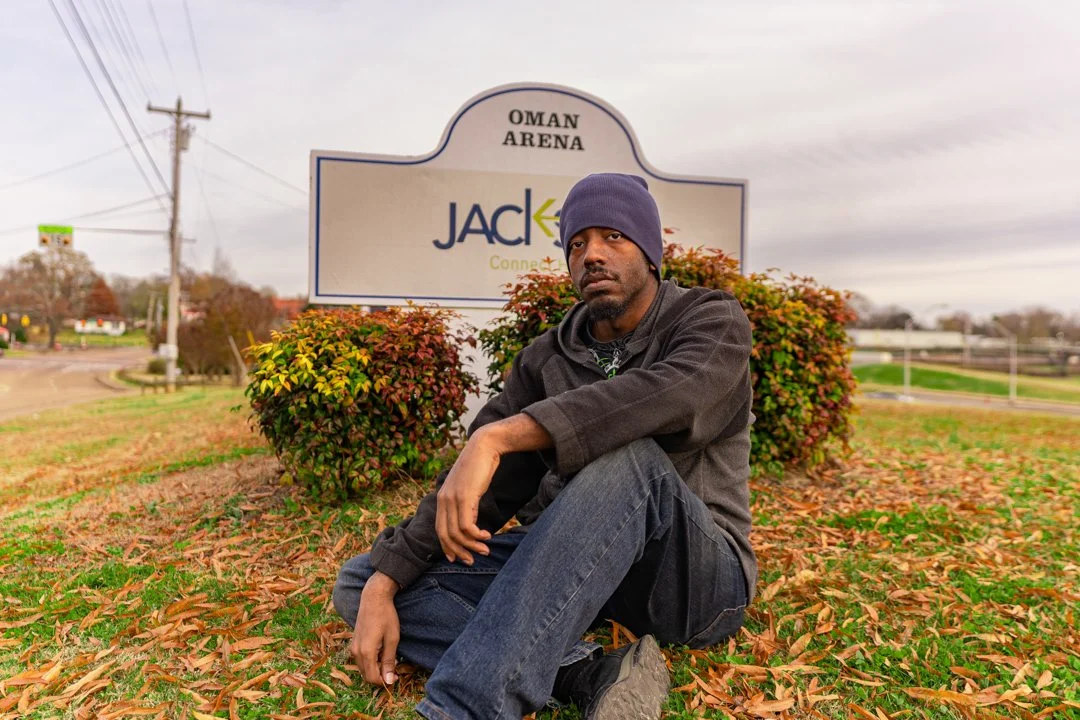
Weirdlooks is a documentary series where I use my creative ability to capture precious memories. As a photographer-filmmaker I capture real life situations in an effort to educate others about different perspectives on life. As life goes on somehow we continue to judge a book by its cover, but we’re all different and beautiful in our own ways.
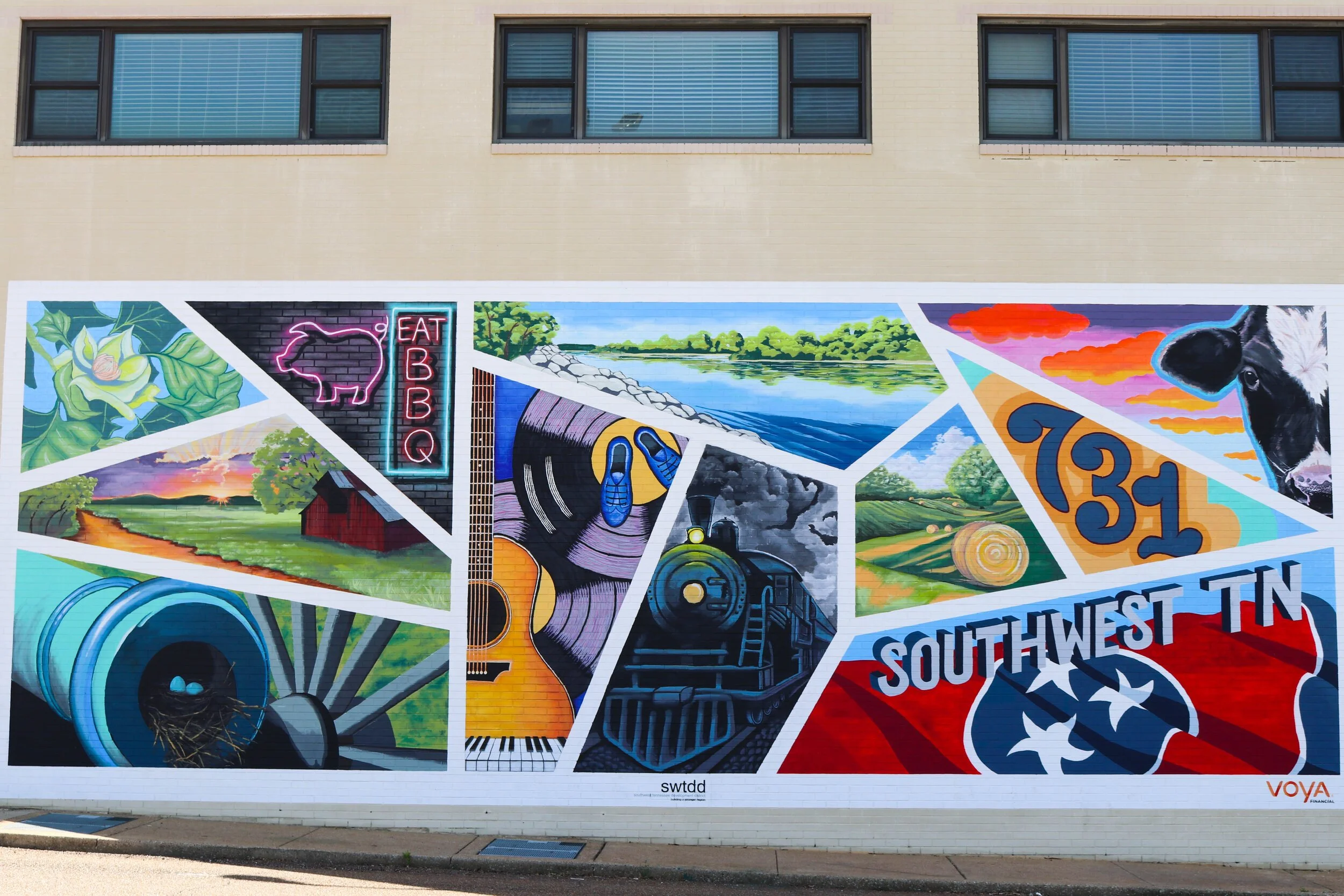


Healing is a word we usually associate with the miraculous, a moment clearly marked by before and after. Sickness to Health. Pain to Relief. Discord to Peace. That isn’t wrong, but healing is also something happening before our eyes.

Life can be compared to taking a beautiful photograph. One may not understand the highs and lows in the beginning, but life becomes more fulfilling when one recognizes and obtains the perfect image, at that perfect moment.
Born and raised in Jackson, Willette DuPree discovered the love of photography from her father, Willie DuPree, Jr.
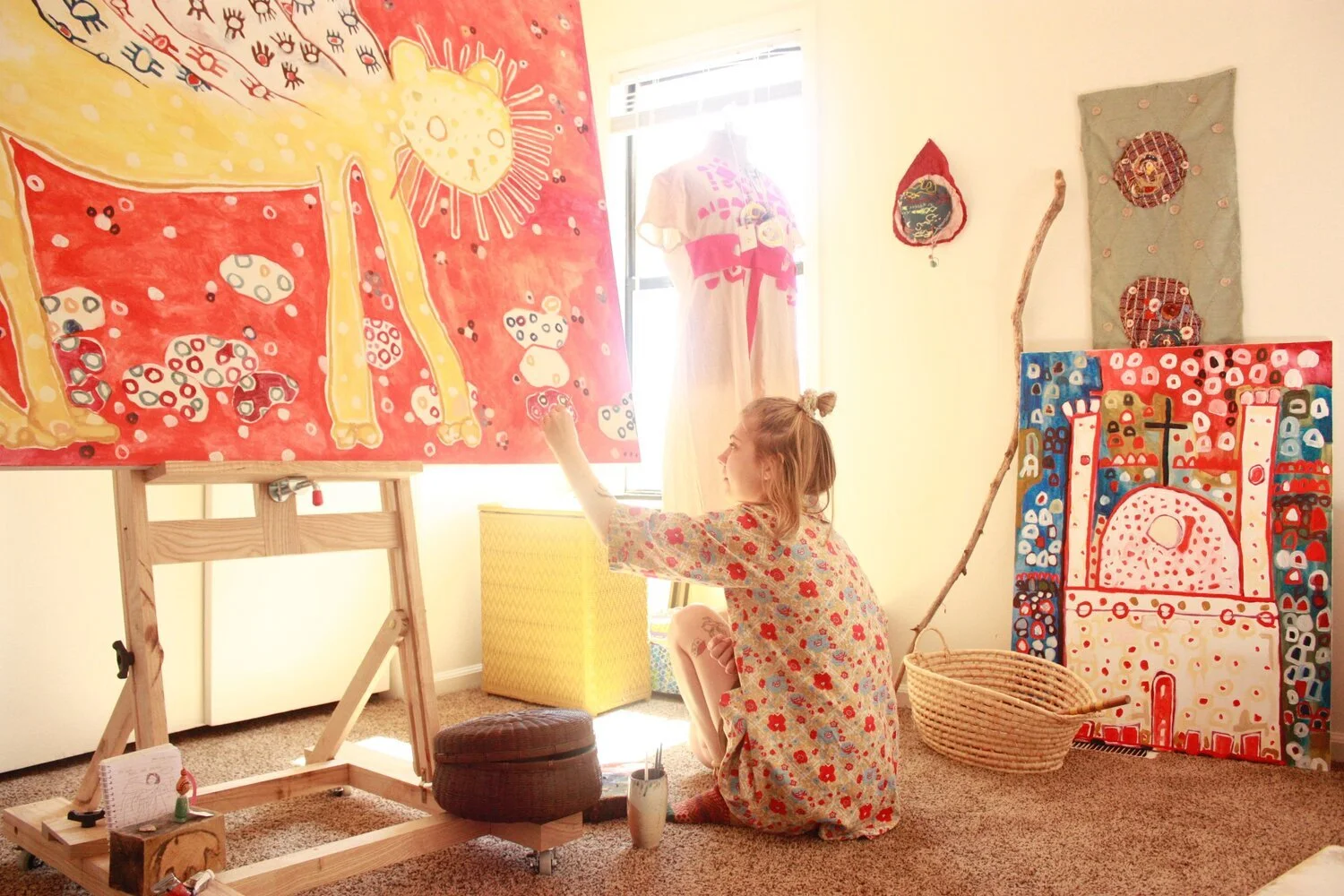
Abby Wolfzorn Ruby shares her process of creation, and it reminds me so much of what Julia Cameron says about feeding our inner child. Abby’s work is both playful and intuitive- she uses simple motifs and a limited color palette to create introspective work from her soul. Her process is about the explorative–something that really speaks to me about her work. There is a purpose to it that each piece carries. I truly believe that when an artist creates in a place of honesty with themselves, the art has a greater impact on the world. I hope you find Abby’s story an inspiration to feed your inner child and artist.

I’ve been hiding out from the world now for 55 days. In the beginning, there was adrenaline coursing through my veins, and I made lists of projects and hopeful homeschool schedules and age-appropriate chore lists written in marker on index cards. Like a lot of us, I heaped pressure on myself and everyone around me to do better and become something better while we had so much unbroken time. We aren’t in the beginning anymore, are we?

When I create, each image translates into a Shakespearean drama all based off of little feelings, little pieces, and little stories. These things, they grow and gestate within my cerebral womb and I can’t help but give life to images and ideas that are loud and exasperated versions of how I feel. Art provides me a vessel to navigate these uncharted feelings. I wanted to create something foreign to my usual color palette — with imagery that feels like Styrofoam rubbing against itself and scissors gliding on butcher paper without a snag at the same time. Clashing colors and glass bowls will do that for you.

It’s hard to comprehend the fact that time is still moving, and life is still happening even in the midst of a pandemic, as if it should be one or the other. People are dying — still, babies are being born, birds are chirping in the morning, mosquitos are biting, people are laughing, people are crying, people are listening, people are fighting, people are loving, cars are using gas, mail is being delivered, art is being created, mold is growing, strawberry jam is being made, my grandmother’s mind is fading, and my son is learning to count.

There are plenty of conversations about what art is and isn’t, who it is and isn’t for. I’m interested in this conversation, but I can’t answer that question, unless I answer it for myself. This September, I painted a mural that is now one of the first things to greet you when you arrive in downtown Jackson. Nestled just past Grubb’s Grocery and the Jackson Walk on North Highland, it’s a bright and idyllic scene, and I’m not oblivious to the fact that it’s an even more idealistic message: Love your neighborhood.

“Good Things Lists” is a practice that anyone can do, whether it’s on a piece of scrap paper, on the notes app in your phone, or in your head. In this time of great uncertainty, sickness, fear and darkness, being positive almost feels like a burden or something you shouldn’t be allowed to do. But these little lists help me come back to the light every time I write one, and I hope they do the same for you. It’s a gentle whisper to the goodness within you to find contentment in the in-betweens and believe that love wins in the end.

This April, we were able to hear local artist Wendy Hailey Kim’s story at A Night of Storytelling, Vol. 7, and as her recent Ned exhibit “Wetlands” comes to a close next Wednesday, October 30, we wanted to share her words from our spring event so that you can get a look into her process and what has made Jackson home for her.
“third wave coffee.” noun. 1. The most recent cultural phenomenon in the history of the coffee industry and consumption. Comes after the first wave of coffee, which included “growing coffee consumption exponentially,” and the second wave of coffee, which began to “define and enjoy specialty coffee.” 2. Purchasing coffee due to its “origin and artisan methods of production.” 3. A movement aspiring to produce the highest quality of coffee possible at every level while pleasing and intriguing the coffee consumer. “UrbanHouse.” noun.
Maybe it will be a high school production of the musical Camelot. An exhibit of stunning photography by a local class may catch your eye. Perhaps you’ll just want to see the downstairs museum, where dozens of photos, plaques, awards, and costumes recall the acting careers of Dixie Carter and her husband, Hal Holbrook. What will bring you to The Dixie? The Dixie Carter Performing Arts & Academic Enrichment Center is a historical performing arts and enrichment center in Huntingdon, Tennessee.
If you have been to a lazy weekend day the West Tennessee Farmers’ Market or a night out at one of Jackson’s finer dining establishments, then you are no stranger to the soothing sounds of Scott Myatt’s music. Myatt’s song, a mixture of melodic singing and guitar playing, is a familiar sound often filling the air throughout our city. A part-time musician and a part-time visual artist, Myatt brings his lyrical touch on the senses to locals as a proud citizen of Jackson.

If you want to see the inside of Jackson’s newest art gallery, call a real estate agent. There are no ropes looped from gold partitions. No security guards standing with their feet spread apart and hands clasped behind their backs. No tourists snapping pictures and scrolling through Yelp reviews to find the best place for lunch. There was no grand opening with trays of silver trays of hors d’oeuvres or patrons of the arts in cocktail dresses. Someone off peeled the blue “for lease, three floors” that sagged in the window.
food
Ismael and Angelica want the Jackson community to know that they are here to serve and build community. Their bakery is not just about selling bread; it's about breaking bread and building friendships, creating a sense of home for everyone who walks through their doors. They believe it's important to pass down their traditions to their children so that their culture continues to thrive.

Ismael and Angelica want the Jackson community to know that they are here to serve and build community. Their bakery is not just about selling bread; it's about breaking bread and building friendships, creating a sense of home for everyone who walks through their doors. They believe it's important to pass down their traditions to their children so that their culture continues to thrive.

There are plenty of Mexican restaurants around Jackson, but one stands out among the crowd: Takos Borukas. This taco truck turned dine-in restaurant has built a loyal following in town with a personable owner and authentic menu.

One cloudy summer evening in a quiet Memphis neighborhood, a miracle occurred.
The miracle worker, born and raised in Bells, was my grandmother, Nell Davis Skelton. She had curly, dyed brown hair that was often styled in a pouf reminiscent of a sixties beehive. The large, pitch-black sunglasses that she often wore made me think of a movie star, and she acted like one, too: confident, stylish, opinionated. There was always some new gossip to talk about with Grandmama, and she’d worry and judge and laugh about it in turn. She’d twist her ankle around and around as she talked to you, a sign of pent-up, nervous energy.
Grandmama was, among other things, a cook.
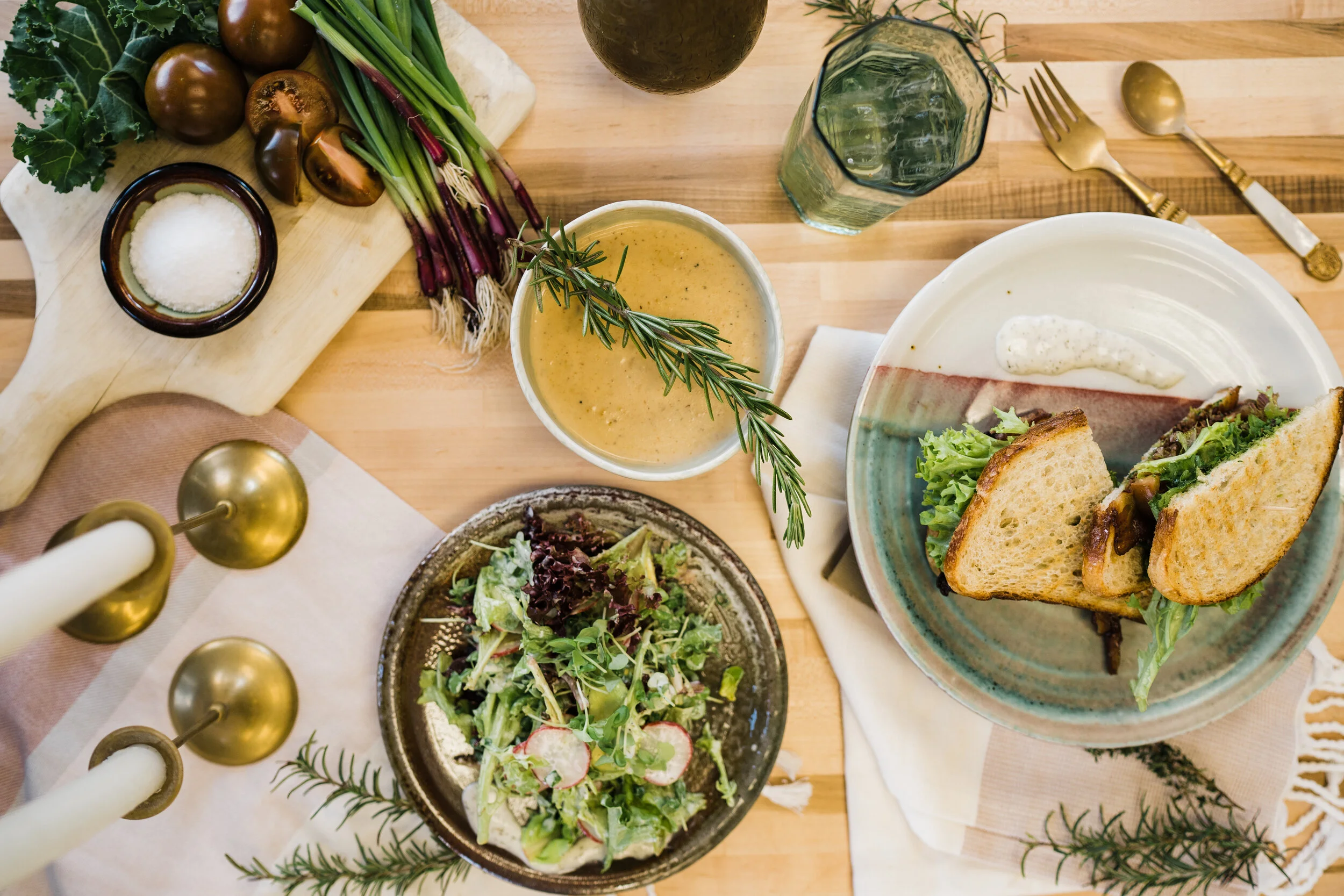
Cooking at home should never be stressful or frustrating. Whether you’re throwing together a simple lunch or making dinner for the neighborhood, it should be a pleasant, relaxing experience. You also don’t need to be a classically trained chef or have a kitchen stocked with exotic ingredients to whip up something delicious. Anyone can do this, and that’s what we’re going to show you.

I love a good recommendation. If you can tell me what you love and why you love it, chances are it will open me up to trying a new dish I wouldn’t have tried on my own. Chronic indecision? Let someone else decide for you.
Food, and my relationship with it, is an important facet of not only my personal identity, but also of my culture, and the culture I grew up in. I believe food is spiritual and that the act of creating, serving, and eating a meal is an act of holy worship — a practice of religion. I myself am agnostic, but sometimes when I make a meal for my fiancé after a long day's work, or when I eat something special made just for me, I can see the existence of God.

This September will mark four years of my career at Chandelier Restaurant here in Jackson, and I’ve enjoyed every minute, from my first years as a server to my recent promotion to fine dining assistant manager. Chef Jennifer Dickerson opened this fine dining spot in 2015, and I know the entire community would agree that it has raised the bar for our city’s cuisine.
I can’t quite remember my life before The Great British Baking Show, but for that I’m grateful. If you’re unfamiliar with this British TV show that’s invading America and likely your Netflix watchlist, you really are missing out. Polite bakers, quirky hosts, scrumptious desserts—I mean, come on. It’s a true cup of tea, and as a former baker myself, I often daydream of creating my own treats under the white tent in that storybook-like field. All throughout high school, I was known as “the cake girl.”
When I was young, my family would take vacations to different cities to watch baseball games. While I loved baseball, the thing I looked forward to the most was seeing the skyline of whatever city we were visiting. In my single digit years, it was always St. Louis. Driving past the multitude of Drury Inns in the suburbs and waiting for the skyline to materialize in the distance never got old. Seeing the Arch stretch across the sky is something I can still see in my mind today. As I got older, the cities became larger: Los Angeles, San Francisco, Chicago, New York.
“third wave coffee.” noun. 1. The most recent cultural phenomenon in the history of the coffee industry and consumption. Comes after the first wave of coffee, which included “growing coffee consumption exponentially,” and the second wave of coffee, which began to “define and enjoy specialty coffee.” 2. Purchasing coffee due to its “origin and artisan methods of production.” 3. A movement aspiring to produce the highest quality of coffee possible at every level while pleasing and intriguing the coffee consumer. “UrbanHouse.” noun.

I’m sitting by myself, the steady thrum of others’ voices around me, and I’m looking at a white sign with neat black lettering: “WHERE HOT COFFEE AND WARM CONVERSATION FLOW.”I’ve got the hot coffee part—it’s steaming pleasantly in a glossy brown mug—and I can hear the groups talking around me. There are some college students in the corner of the room. (I can tell they’re in school because of their tired eyes trained on the laptops perched in front of them, even as they continue to hold conversation with each other.)

I woke up to a phone call around nine in the morning; my friend’s neighbor’s grandmother’s employee had just quit his job, and they needed someone to come in immediately. Naturally, I was next in line. I drove across town to a strip mall I had never seen before and wandered into an unmarked restaurant where I was greeted by two golden lions, the king of Thailand (who was placing a call on an old brick phone), and a particularly satisfied Buddha.

While perusing the West Tennessee Farmers’ Market, it would be hard to pass by the mountain of deep green vegetables and neon radishes of Rose Creek Farms, owned by Ray and Ashley Tyler. Their farm is nestled in a valley in Selmer, Tennessee, with a little over one acre of active farming land. With the help of high tunnels and row covers, they’re able to extend the typical season barriers to grow deliciously tender greens and veggies all year round.

Stacey Fain’s journey to opening her own ice cream truck started when her husband asked her what her dream was. Just a few hours after that conversation, they were searching for the perfect truck to get started! Although they also serve banana splits, sundaes, and shakes, as well as dairy- and gluten-free packaged products, Stacey’s Ice Cream Cruiser is best known for their delicious soft serve ice cream in chocolate, vanilla, and twist.

Jackson, Tennessee, is a constantly changing and expanding city—with the many colleges and schools in the area, it also has an influx of a younger age group that calls Jackson home. With this younger crowd comes different and varying interests, along with new forms of entertainment.Enter Alex Sanchez, competitive online gamer. Sanchez graduated from Union University in 2017 with a degree in business and an unstoppable vision to bring people together in Jackson under the banner of e-gaming.

Eating is an incredibly sacramental act. In fact a feast, regularly celebrated, is one of the universally recognized rites of the Christian Church. It can be a reminder of our lack of complete self-sufficiency. We need things outside ourselves in order to survive even on the most basic of levels. The sacred is also something that is meant to be experienced with other people. Meals are often communal, and I would argue that the best meals are always shared experiences. No matter how good the food is it is always better shared with other people

A morning ritual, a conversation piece, a shared bond: coffee adopts whatever role its faithful consumers may assign. It’s one of the few addictions that our local cultures openly embrace. Even just the word “coffee” can be seen on decorative signs for the home, on t-shirts, on mugs. Coffee has transcended its place as a drink to an idea: the symbol of incentive in an increasingly demanding world. “I can’t do anything before I have my coffee” is not a personal statement; it’s a cities-spanning mantra.

In March of 2016 I began dating my girlfriend Natalie, a girl who was born and raised in Jackson and who had the knowledge to back it up. Me being an out-of-town transplant, she thought that it was of great importance for me to learn a little culture and history of this city that we know and love. I gladly complied. Usually these lessons were unplanned and casual. As things came up in conversation she would explain to me the history as best she knew it. One of those things was Waffle House.

It’s dark as Aaron Witmer trudges out to his food truck at 3:30 on Saturday morning. Stars twinkle overhead and moonlight throws shadows as he unlocks the door and climbs into the back. With careful precision, he measures out flour, oil, eggs, and other ingredients and dumps them into the stainless steel mixer resting on the floor. At the flip of a switch, it comes to life and beats the disparate ingredients together into cohesive dough—the first donut dough of the day.
Let’s suspend our thought for the next ten to fifteen minutes and imagine what could be. Let’s not think about dollars and cents or logistical structure. While those things are necessary, they’re not for us right now. What we need are open minds and unencumbered ideas about what our downtown might possibly be if we could just think a little bit beyond what we’ve always thought. I’ve seen it. I’ve seen beyond. I’ve seen what downtown Jackson could be if we could just all get on board.
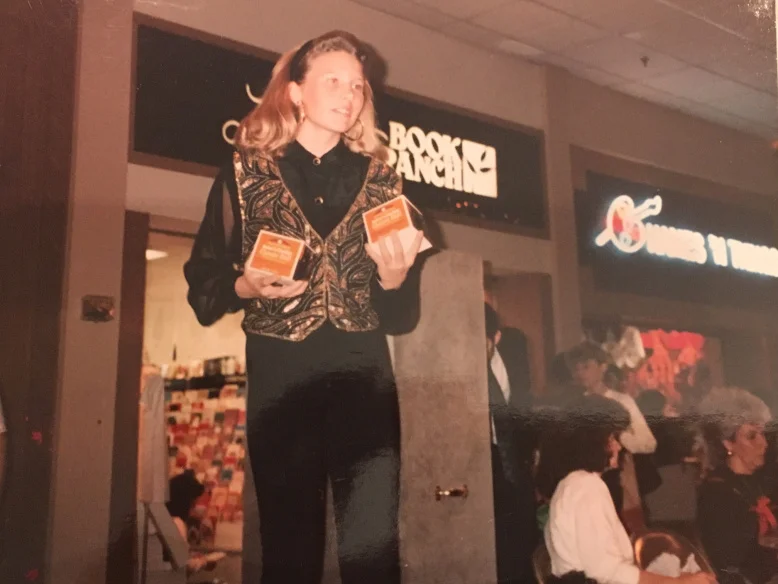
It’s funny how a reunion can make people nostalgic for their younger days. It’s a time to reflect and think back about how we grew up and memories we made. I feel blessed to have spent my childhood in Jackson, Tennessee. It’s the foundation to who I am as a person, and I can’t imagine growing up in any other place. With that in mind, I thought I’d share some memories I have with you. I’m thinking if you lived in Jackson in the 80s or 90s, you might relate to many of these.

In his essay collection Heretics, G.K. Chesterton extols, “Once men sang around a table together in chorus. Now one man sings alone, for the absurd reason he can sing better.” In other words, as our scientific age has grown in competency and achievement we have become isolated from the rootedness which gave rise to our confidence in the first place—experts in everything but being human. Can there be any question this is more true today than when Chesterton wrote almost a century ago?

There’s a lot of jerk chicken in Joseph Kabre’s future. It’s the most popular dish at Jamaican and African Cuisine, the restaurant he manages. On a typical day, he has enough ready to serve a couple dozen people. But Saturday, March 4, he’s hoping for potentially four times that many customers to show up hungry for the spicy dish. It will take him two days to prepare enough. The chicken has to be smoked, seasoned correctly, and then finished out in the oven.

She made the best mincemeat pie,” Cousin Diane recalled, and everyone nodded. The minister for the funeral service had asked what made Janet Bennett unique, and this couldn’t be left off the list. Together with her love of Jeopardy, her skills at sewing clothes for the family, and her impeccable penmanship, the mincemeat pie stood out as an example of Grandma Bennett’s talent, service, and love. Grandma Bennett was a great cook.

Eggs. Flour. Milk. Sugar. Your basic ingredients for a cupcake. But so much more than that goes into the cupcakes at HaliHannigan’s Café & Cakery. Five years ago a cozy little space in the Columns bedecked in pink and black opened its doors—and its heart—to the Jackson community. Neill and Christi Bartlett, the husband and wife team that co-own HaliHannigan’s (whose name is derived from various parts of the names of their three daughters), were ready for a change.
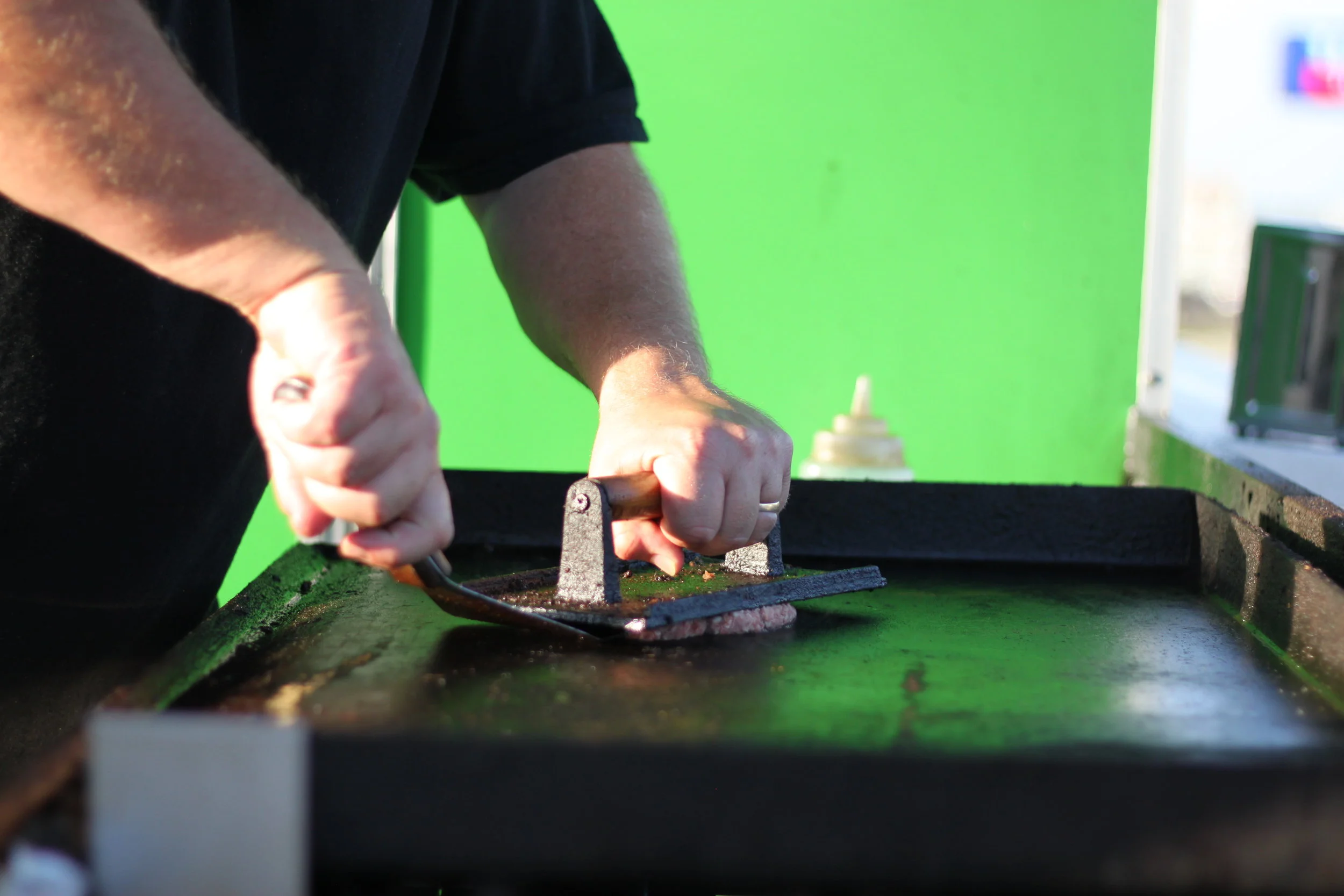
“Your destination is on your right,” said my iPhone, notifying me that I had reached 1683 South Highland Avenue. I turned my head and saw nothing. Where was the food truck? I pulled into Popeye’s, put the car in “Park,” and stepped outside into the slightly muggy end-of-September-in-West-Tennessee weather. Scanning the landscape, my eyes fell onto a neon green trailer in the middle of a parking lot. I began my approach and saw “KC Finn’s” printed on its exterior, accented by several four leaf clovers.

To call Jackson home sometimes feels like a betrayal of the place that taught me the meaning of that word. Two hours east on I-40, home is a small white farmhouse on top of a hill with a porch swing and a bed of roses that welcome you to the front door. At home, the sound of that swing’s rusty metal creaking still steadies me like I imagine the ticking of a metronome does for a novice musician. There are days when I ache for the rhythm of home, just as we gasp for air when deprived of breath.

Paul Latham’s Meat Company, commonly known as Latham’s, is a name familiar to almost everyone in the Jackson area. Since 1991, Paul himself has been providing our city with a variety of quality meat and a high level of service. The friendly atmosphere of his current location on North Highland Avenue is felt immediately upon entering the combination butcher shop, barbecue stand, and cafeteria.
history
“I just need a space to dance,” Mona Lisa Lanier said to me as she flicked on the lights of a former elementary school turned community recreation center. The room, once a classroom, is now a dance studio with mirrors and photos of dancers in brightly colored costumes lining the wall.
Lanier proudly pointed out her students and how much they’ve grown since these photos were taken.


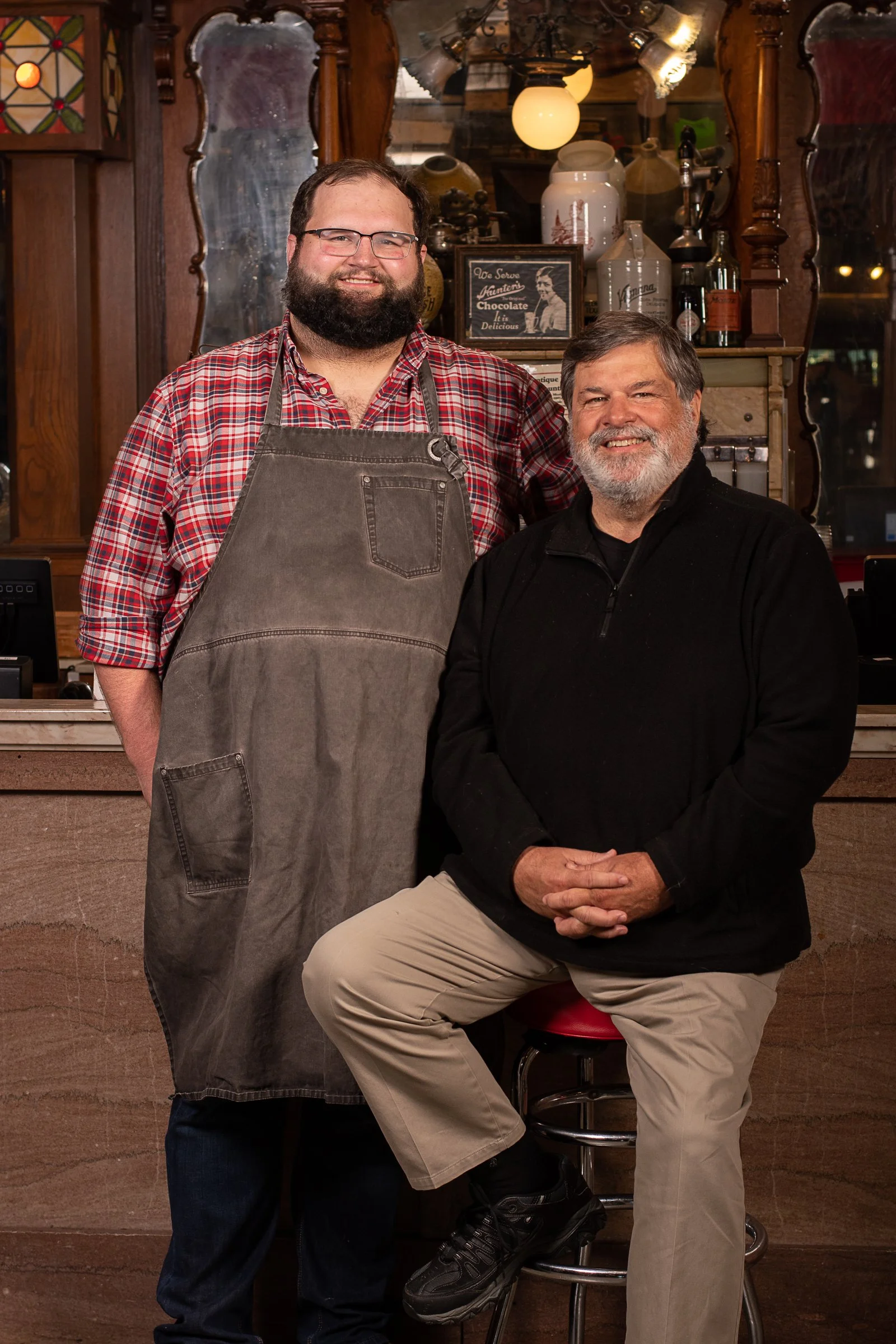
Legacy seems to be a common thing we seek to define after someone has passed away. We look to be inspired on how to improve ourselves, our families, and our communities. We try to sift through a life and determine what traits, stories, and accomplishments made this person special, successful, and significant. Certainly, a handful of people achieve so much notoriety that we go through this process while they are alive, leading to the next bestselling how-to book or biography. But all too often we are left searching for the words to say, the deeds to remember, after that person is gone.

It didn’t make sense to the kids in the room.
Consolidating Jackson City Schools and Madison County Schools had been a conversation in the Hub City since at least 1970, but social media and the 24-hour news cycle didn’t exist in the spring of 1992. That’s when Casshawndra Gillispie, a sophomore at the time, sat with other athletes in the West High School cafeteria and learned the school would be closing in just a few months. She and her classmates would have to continue their education and athletic careers at South Side High School.
If you've spent any time in downtown Jackson, or had a drink at The Downtown Tavern, you’re probably familiar with Moore Studio — and more importantly, Mr. Carter. I first met Mitch Carter when I had just moved to West Tennessee. I was young and impressionable and Mr. Carter most definitely made an impression on me. He could charm the venom out of a copperhead, entice the stoic to giggle and cut up, and make the most trepidatious about having photos done feel presidential when he was finished making their portrait.

Anyone who knows Winfred Keith Davis knows there’s something to be discovered at every turn. To some, he is a yoga teacher, leading meditations and creating space to heal body and mind. To others he is a mentor, reading with a student at a local elementary school, or a voice in the community choir, or an actor on the stage at the Ned.Standing in his garden, this kind of fullness of life is on clear display. It’s a teeming work in progress. There are trays of plants waiting to be planted in the earth, and a wheelbarrow full of mirrors that will be placed to reflect more light in the garden.

Only sixty years ago, our town, like much of the south, was in the middle of its own pain. Jim Crow laws had allowed states and communities to practice legal segregation under the guise of “separate but equal.” While clearly separating “coloreds” from “whites”, the results of that separation were anything but equal. Many times, these laws would be enforced by racist vigilantes before they were ever enforced by local law enforcement. Law enforcement would take a protester to jail; a vigilante would degrade a protester through physical and emotional violence.

Why do we create monuments to the past? What is it about physical reminders—be they statues or plaques—that move us? Why do we feel the need to travel to the places of great historical events and walk the same ground? I am struck by the words of Joshua Lawrence Chamberlain, the hero of Little Round Top at the Battle of Gettysburg: “In great deeds, something abides. On great fields, something stays.”
When I was young, my family would take vacations to different cities to watch baseball games. While I loved baseball, the thing I looked forward to the most was seeing the skyline of whatever city we were visiting. In my single digit years, it was always St. Louis. Driving past the multitude of Drury Inns in the suburbs and waiting for the skyline to materialize in the distance never got old. Seeing the Arch stretch across the sky is something I can still see in my mind today. As I got older, the cities became larger: Los Angeles, San Francisco, Chicago, New York.
Great art is meant to be experienced. It is not enough to see a picture of a painting by Delacroix or Jacques-Louis David in an art history book. You must tramp across the wide corridors of the Louvre and encounter them in all the massive, unbelievable glory and beauty; anything else is only a poor substitute. This sort of artistic experience is a great blessing, and it explains why so many people continue to visit the great museums of the world.

What will a person not do because of love? With love, the seemingly absurd and impossible becomes logical and likely. Love is what drives us to actions and accomplishments, from the noblest and greatest to ordinary and poignant. To paraphrase the famous early twentieth century English author G.K. Chesterton, something becomes great or beautiful or indeed lovely because we love it. Not because it was great, beautiful, or lovely before we came. This is because love is transformative.

What would happen if a natural storm wiped out the heart of a city? How would the identity of a community remain intact if vital parts of it are destroyed? These are questions that the Madison County Archives prepares to answer with every property deed, court record, and legal notice that is carefully preserved on its shelves. “You could re-create local history with the files we have,” Archivist Thomas Aud tells me from his seat in the Archives atrium.
All my life I have heard people talk about how time flies. I have never actually witnessed a clock sprout wings and take off, but as a child, that's the only way I could picture time flying. As I got older and little bit wiser, I knew clocks did not really fly and understood it was just a figure of speech—but to me, it seemed like a joke because time felt like it was crawling. For many, it becomes a reality when children are born. One minute, you're holding your precious baby; the next, they are having babies of their own.

Inevitability is the evil twin of hope. Hope is when we’re not quite sure what will happen, but we’re certain that we want it to happen. The mystery of hope and, to be quite honest, the appeal of hope rest in its uncertainty. There’s the idea that what we are hoping for will eventually morph into reality and, if we’re lucky, possibly exceed our original expectations. Hope is why the idea of something is oftentimes better than the thing itself. We survive on hope. Hope keeps us moving.Inevitability, however, is certain.

We have a propensity to glorify revolution. We want to label things as revolutions whether they are revolutionary or not. Perhaps this is because we view ourselves as the by-products of a revolution. We love to celebrate rebels who overthrow and overturn the felt tyranny of the old existing order. This is right and good to a certain point, but revolution has a dark side, too. It is rare however that we pause to reflect on the negative consequences of revolution.

Throughout my childhood, my parents and I would travel to Bells, Tennessee, to visit our relatives. With me being an only child, looking out of the car window was my main source of entertainment until we reached our destination. While passing through, there was one particular building that caught my eye. I suppose it was the huge movie poster displays or vibrant signs that always grabbed my attention. We’ve stopped in and shopped at a few stores on that strip, but I can’t recall ever entering in the mysterious building.
In March of 2016 I began dating my girlfriend Natalie, a girl who was born and raised in Jackson and who had the knowledge to back it up. Me being an out-of-town transplant, she thought that it was of great importance for me to learn a little culture and history of this city that we know and love. I gladly complied. Usually these lessons were unplanned and casual. As things came up in conversation she would explain to me the history as best she knew it. One of those things was Waffle House.

In the 1940s my grandmother’s boss proposed to her, which she promptly refused. It must have made her daily life incredibly awkward, particularly since she didn’t have a car and her boss frequently picked her up to take her to work. She lived near the neighborhood now known as LANA in midtown. It’s a part of Jackson that many remember as Hicksville. The proposal most likely happened only a few yards from where I get my prescriptions filled.
Walt Disney World, Gulf Shores, Baton Rouge, France, the Bahamas, the Yucatan; these are places we go to retreat from the normalcy of life. These are the destinations of our vacations, our free week off from work to do what we want. Yet retreating to something different doesn’t have to mean venturing beyond state lines. As native West Tennesseans, we forget the vast culture and history that surrounds us.

Vineyard’s Gifts, which celebrates its 100th anniversary this year, is located in one of the quaintest little pockets of Jackson. On the corner of Wiley Parker and North Highland Avenue sits a small shopping center including a florist, spa, children’s clothing store, and café. In the center of it all is Vineyard’s Gifts, a boutique gift shop that specializes in bridal and baby registry, stationery, invitations, and gift items. The store was originally opened as a florist in downtown Jackson by Lyda Tomlin Vineyard.
Sometime between fifth grade and high school my dad altered my musical taste. I didn’t understand it at the time, and I have to give him credit because it was subtle, but now that I have two kids of my own toting around digital devices, filtering all means of communication in the home is an important part of parenting. What does that have to do with the short documentary I recently produced? Today lovers of R&B music have no fewer than four radio stations in Madison County to get their fix.

The Wizard of Oz. That’s my earliest memory of the power of a tornado. From the time I saw that witch riding a bicycle in the air with that house spinning out of control, the power of a tornado had me under its thumb. As a five-year-old, I had no idea how close I would come to that dominance that struck so much fear in me as a child. West Tennessee, and Jackson in particular, is no stranger to tornadoes. As much as we think tornadoes are an indiscriminate act of nature, they’re not.

In 1998, one of the most respected scholars in the world made a profound decision. It was a decision that seemed at odds with much of what had previously happened in his life. Jaroslav Pelikan was born in Akron, Ohio, in 1923 to devout Lutheran parents. His father was a Lutheran pastor and his grandfather a bishop in the Lutheran Church. By the age of twenty-two he had completed both a seminary degree from Concordia Lutheran Seminary and a Ph.D. from the University of Chicago.

An expansive flock of slate grey clouds span the sky as I drive along the narrow highway. The landscape rolls beside me, before me. The hills and subtle ridge lines guide the highway that bears my passage. Rural fields are dotted with gigantic cotton gins, dilapidated barns. Small colonies of trailers and rented houses populate gravel side roads, sprouting like branches from the main highway. I am northward bound, driving into an increasingly brisk wind.

The precious things are always removed first. They’re handled with care, preserved, and safeguarded so as not to disturb their history or perceived beauty. Careful hands wrap them in padded blankets or quilts and gently set them in an arrangement that will in no way cause a fracture. The pieces that are disposable or not as aesthetically pleasing are swept into a pile or thrown away or burned or sold. And so goes the process of preparing for the demolition of a building.

One of the most perplexing and discouraging realities the modern world confronts us with is a disconnection from our past and the past in general. We are separated from the first European settlers of West Tennessee by just less than 200 years, but we have less in common with those ancestors than they themselves would have had with the Ancient Greeks or Romans. Time is a relative construction in this sense, just like it is in physics.

When the white-tailed deer show up in my backyard, it’s like witnessing a direct link to an age almost forgotten. I freeze in my tracks, and I can’t help but think about their unbroken chain of ancestors going back into the ancient past. These animals were here long before any settlers arrived from Europe. They were the hunted long before rifles replaced bows and arrows. They knew these lands when the waters were still clean and the air was still fresh. They knew these lands when there were no cars and no railroads.

I had forgotten how exhilarating it is to fly up in the sky. The takeoff, the landing, and the whole experience seems to take your breath away. Maybe that’s because I don’t travel by air as often as I would like. I still think it’s crazy that Katie Howerton and I managed to take time out of our schedules to enjoy a day trip to St. Louis—flown directly out of Jackson. Encouraging a getaway trip to St. Louis might not come across as a typical Our Jackson Home topic. At least that’s what I thought at first.

Megan was a fact nut, the kind of girl who was interested in the details in everything she studied. She once committed a semester to checking out a certain number of design books at the library just to keep herself inspired in her trade and always learning. So it shouldn’t have surprised me when began research on her new historic duplex on Arlington and affectionately referred to it by the name the metal sign read outside: The Merriweather House.

Each generation has a particular vantage point to view our city’s history and the path tread down by our collective stories. Lost in our own days, we sometimes forget that we are a part of a city and one community. Whether it’s a road away from racial hatred or a road that celebrates creatives, a community adopts a certain path tread by the people before them. The community saunters along until the moment when individuals and organizations rise up and insist on change, for better or worse.
stay 731

It was late, and the ferry felt cool in the summer’s evening breeze. We were only a week into my summer in Istanbul, but in our short time learning basic Turkish, navigating public transit, and hopping between Asia and Europe the way I do now between Highland and the Bypass, we felt like naturals. The warm glow of the nearest café’s neon sign welcomed us to the European shore where the five of us girls were staying for the week, and we didn’t need much convincing to stop in for a late-night dinner of pasta and whatever scrumptious-looking mystery pastry the shelf held.
I had a college professor tell me once, “Remember, you are changing your generation and the generations of the people around you.” Those words are so true and are still relevant in my life today. In fact, that professor was living proof of that statement by changing my life with mentoring, advising, and pushing me to be better. It was not just that one professor, of course. There were (and still are) many people who continually wanted to invest in me as I grew up here. My father and mother met at Lambuth University, but my dad was not in school there.

“Where are you from?” The dreaded question. Whenever someone asks me this, I laugh and try to assess whether the person asking wants the long answer or the short one. Even the long version has been condensed for convenience over the years. This question has had different answers at different points in my life. When I was ten, I was from Northern Kentucky. When I was eleven and my family had moved to South Africa as missionaries, I was from America.

Eight days late and after thirty-six hours of labor from my hard-working mother, I was born at the Jackson-Madison County General Hospital on a hot April day in 1976. Forty-two years later, I am an attending physician in that very same department. It’s very unusual for a physician to practice in their hometown, but I am thankful that my journey has brought me back to where I started. My earliest memory of life in Jackson is from First Presbyterian Playschool.

Eight days late and after thirty-six hours of labor from my hard-working mother, I was born at the Jackson-Madison County General Hospital on a hot April day in 1976. Forty-two years later, I am an attending physician in that very same department. It’s very unusual for a physician to practice in their hometown, but I am thankful that my journey has brought me back to where I started. My earliest memory of life in Jackson is from First Presbyterian Playschool.

2002 was the year that changed my life. I had just moved to “the big city” of Jackson from the incredibly small town of Trezevant, Tennessee. My new journey started at Union University as a Christian Studies major, and quickly I realized I had turned religion into a textbook, not an action. It took a while to recover from the shock of not knowing what I wanted to do with the rest of my life, as this was my plan for quite some time—going into ministry. I continued pressing on with my major until 201 Ash Street happened.

Never ever in a million years would I have guessed that I would be a small business owner living in Jackson, Tennessee. I am one of the most shy people you will ever meet. That ambitious entrepreneur spirit is in me, but growing up, it wasn’t readily apparent, even to me. My husband, on the other hand, always knew he would work for himself and probably stay here in Jackson. Both of our grandparents owned their own businesses, and their examples shaped our lives. When I think of Jackson, I think of my family.

“Community is not something you have, like pizza,” wrote social critic James Howard Kunstler in The Geography of Nowhere. “Nor is it something you can buy. It’s a living organism based on a web of interdependencies—which is to say a local economy.” Americans, perhaps above all others, have bought into the lie in the last couple of generations that each person is an island, shaping her or his own destiny with nothing but a morning shot of caffeine and a solid WiFi connection.

If you had asked me about my future in the fall of 1994, I would have told you that I was planning on moving back home to Paducah, Kentucky, as soon as I finished college. I was supposed to live on Jefferson Street, right next door to my life-long BFF, Laura. She was going to live in her grandmother’s house, and I would buy the house next door. Twenty-four years later, she still reminds me of that broken promise. I had roots there in Paducah. They were strong and firmly planted. My daddy grew up there, too

If you told the twenty-year-old me that I would eventually live in Jackson, Tennessee, he would have died laughing. I wasn't even sure I would be living in Tennessee period. Twenty-year-old me was an M1-A1 Abrahms Tank System Specialist (tank mechanic, y'all, I was a tank mechanic) that had dreams of completing a twenty-year career and retiring. And then after my retirement, I would launch some sort of startup with the security of a nice, fat check to fall back on if things didn't work out. Twenty-year-old me was married to the first of two ex-wives and had no kids.
Interviews

Life will map the legacy we will leave and before we know it, we’ll be looking back on how the decisions we’ve made laid the foundation for future generations. In this interview between father and son, Quinton Atwater interviews his father Ronald Atwater, discussing how concrete finishing became the birthright to the Atwater legacy of entrepreneurship.

We’ve all been there: mindlessly scrolling through Facebook only to be caught completely off-guard by a disturbing photo, a shocking headline, or an ignorant comment. It’s pretty common these days to interact with social media a bit like a minefield, but it’s rare for those “explosions” to produce laughter and “amen.” Susannah B. Lewis is one of these unique Facebook-dwellers, and I’ll never forget the day I first stumbled across this striking blonde with a smart mouth speaking some things that needed saying. I was a little mesmerized, I must admit.

Asanta Brooks is an author and freelance writer. Her passion for writing stemmed from creating and illustrating comic strips as a child, which lead to her becoming involved with the high school paper and excelling as a feature writer for her college paper. She resides in Jackson with her adorably energetic four-year-old son, Alex, and today we’re excited to share a little more about her and why she’s a part of Our Jackson Home.

I like tattoos. I like tattoos a lot. So when the chance came up for me to interview the owners of Other Mother Tattoo, I jumped at the opportunity. I already knew that Briana Walker and Whitney Harbin were amazing at what they did, but after our conversation, I decided to start referring to them (and all the other tattoo artists that I know) as artists—not just tattoo artists. After reading our discussion, you might choose to do the same.

It’s a cloudy, dreary December day outside, but the laughter between the three musicians I’m sitting with is making things seem brighter. It’s their first time at theCO, and I had them crash on the couches to create a comfy environment for our interview. Ben Gilbreath, Nathan Megelsh, and Tyler Marberry are meeting with me today to talk about their band, Forked Deer Homeschool Parade. If you’re from around the more southern West Tennessee area, you probably know that it’s pronounced “Fork-ed Deer.”

Jackson’s musical dichotomy has had a strange, often polarizing environment for musicians to grow in over the last decade. Often touted as the bathroom break between Memphis and Nashville, Jackson—with the exception of Carl Perkins’ aeonian influence on rockabilly—is not critically recognized as a musically significant city. To say that Jackson is part of a bigger delta blues triangle would be more plausible. Music scenes are often planted in Jackson but never seem to flourish.

Small Town Big Sound started off with a dream: Keegan Paluso’s desire to use his musical background to help others in West Tennessee realize their potential. What began as this idea soon formed into a community of local artists, each with different and diverse experiences, working together to create original music. Keegan shared with me about how Small Town Big Sound writes, records, and produces the music of our area.
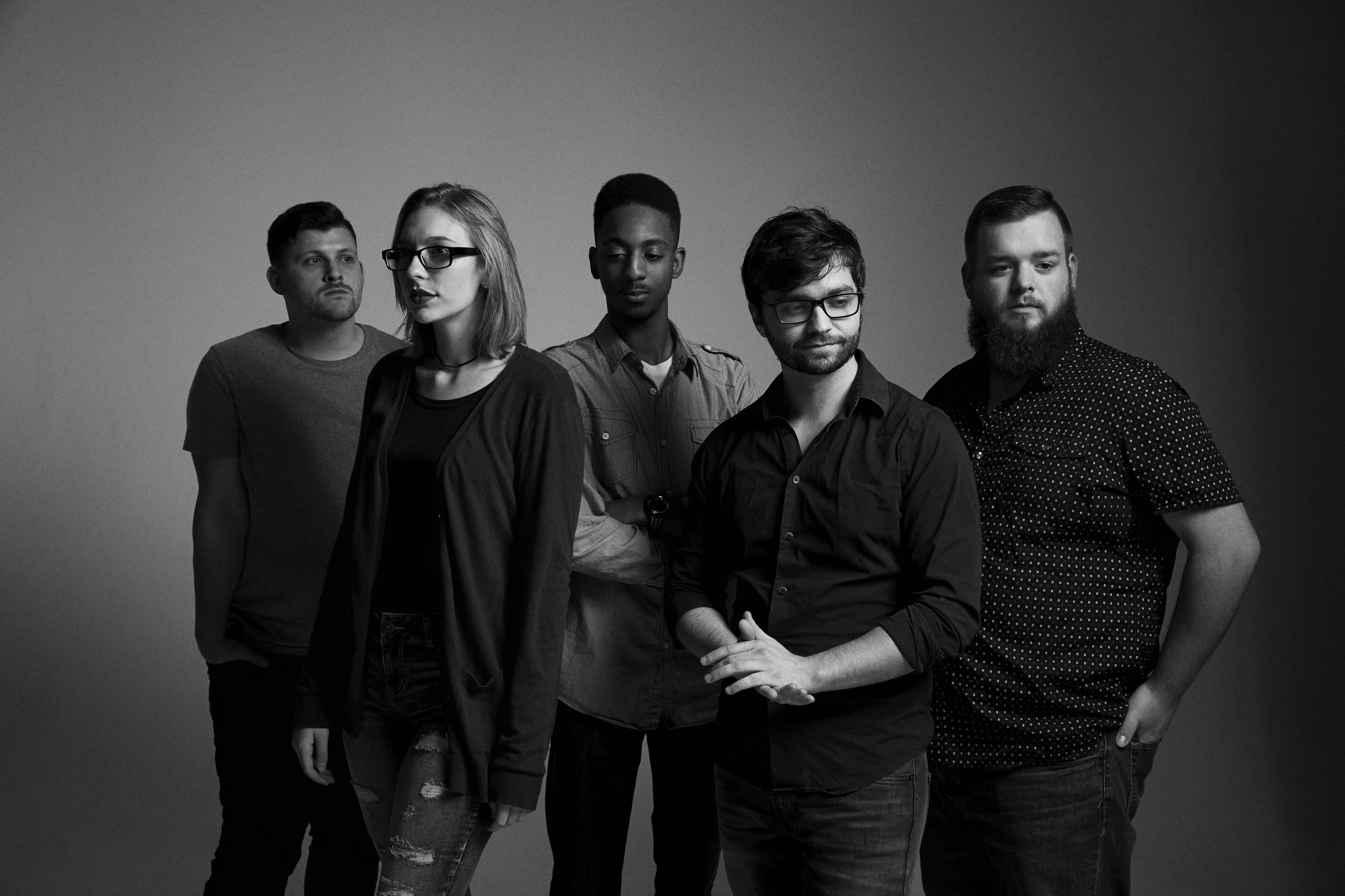
Being young with creative aspirations takes hard work and initiative, sometimes particularly so in smaller towns. Yet Jackson is the lucky home to a plethora of up-and-coming talent with big plans for the future. Having lived and worked here for several years now, the members of Coopertheband are no strangers to the trials and rewards of the independent music world. They have recently played several shows back-to-back in the community, extending their central messages of hope and joy through their lyrics.

For years I’ve been hearing the name James Cherry. I first heard of him when I was a student at Union University (also his alma mater) and then continued to hear about this guy as a Jacksonian interested in writing. It’s clear that locals are proud to have this Jackson native around. He’s the president of the Griot Collective of West Tennessee, a monthly poetry workshop, and is, upon meeting him, very obviously cool. He has an easy going temperament and a steady, unquestionable passion for the written word.

Rain falls steadily against the sidewalk, bouncing back up almost as soon as it brushes the ground, and all I have for a shield is my military-green rain jacket as I hurry into Alba. Throwing off my hood, I spota guy in a sharp polka-dotted button-up and a girl with cool eyeliner sitting in the corner of the coffee shop. Together, local artists Hunter Cross and Cameron Briley combine their talents as The Skeleton Krew, an original band with a 60s-inspired, blues-rock vibe.

I have an affinity for hardworking people. That's why I like guys like Brandon Barnett. Brandon is one of Jackson's more interesting songwriters, and he also has a knack for churning out thoughtprovoking podcasts about the struggles of being a musician via "Left of Nashville." I sat down with Brandon last month to talk about things we liked and his music/podcast endeavors.

In eager anticipation of their upcoming concert this weekend, I jumped at the chance to speak with singer-songwriter couple Cody and Melody Curtis as well as vocalist/musician/visual artist Thomas Griffith about PSALLOS. PSALLOS is a musical group made up of fourteen individuals currently supporting their ambitious ROMANS project, a concept album that details the book of Romans in the Bible.
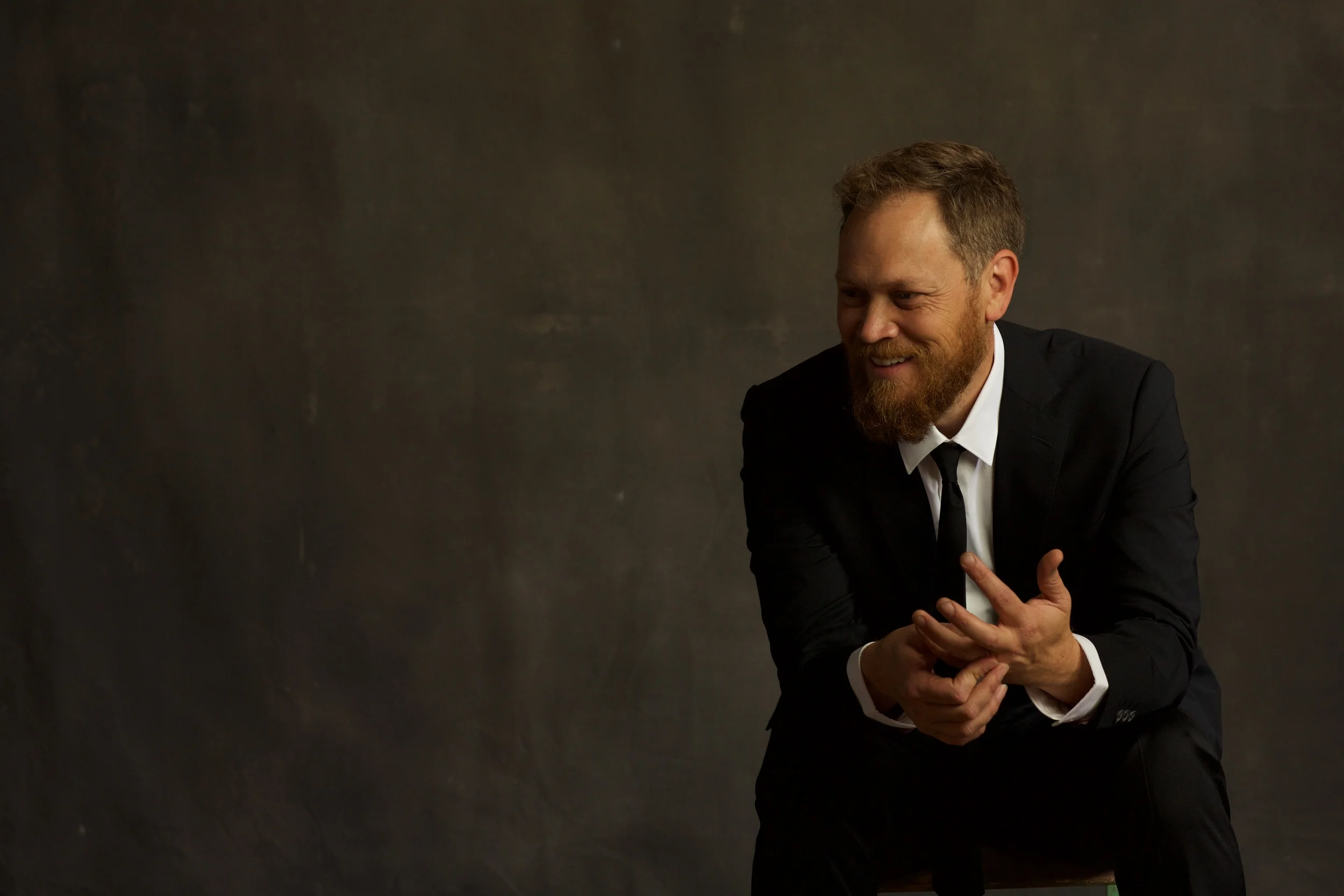
A husband of twenty-one years and the father of three teens, Andrew Peterson is a Christian singer-songwriter and author based out of Nashville, Tennessee. Since moving there from the homeland he lovingly calls "redneck Florida," Andrew has produced seventeen albums and written a four-part book series, The Wingfeather Saga. The Star Center has the joy of welcoming Andrew to Jackson this Saturday, February 20, for a concert at Fellowship Bible Church benefiting their Literacy Lab scholarships.
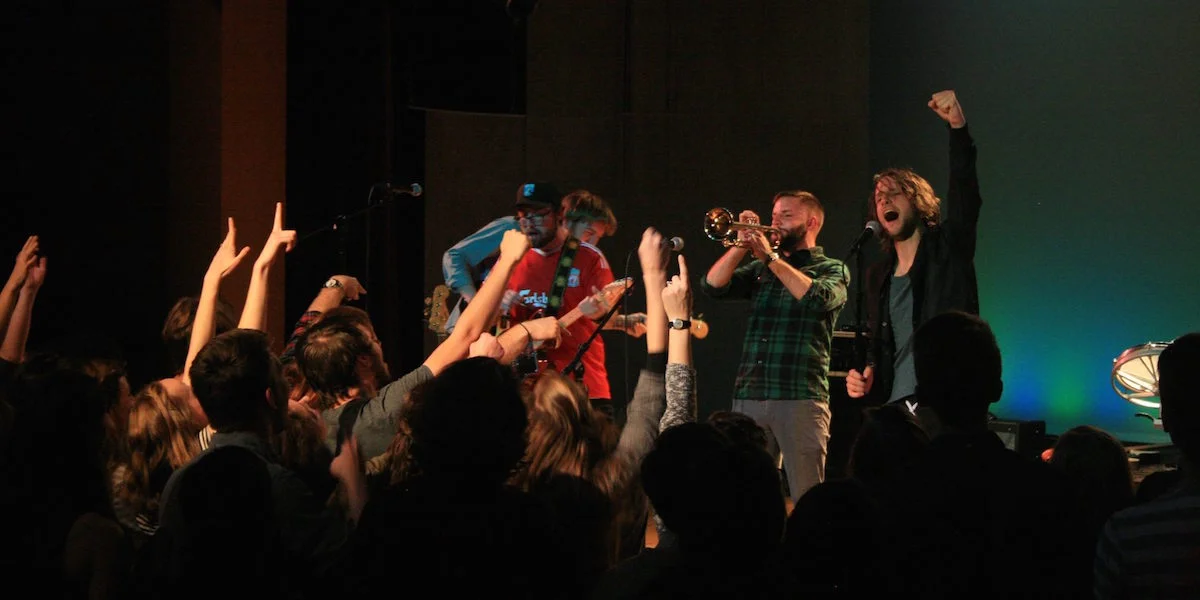
In between casually referencing James Blunt, discussing My Chemical Romance’s best records, and pouring over photos of the various orcs from The Lord of The Rings, Rob and Thomas Griffith of Flying Colours spoke with me this week about the band’s upcoming show in Jackson. The Flying Colours have been featured before in Our Jackson Home; for this interview, Rob and Thomas opened up about the latest news for the band and their gratitude for the support that Jackson has shown for them throughout the years.
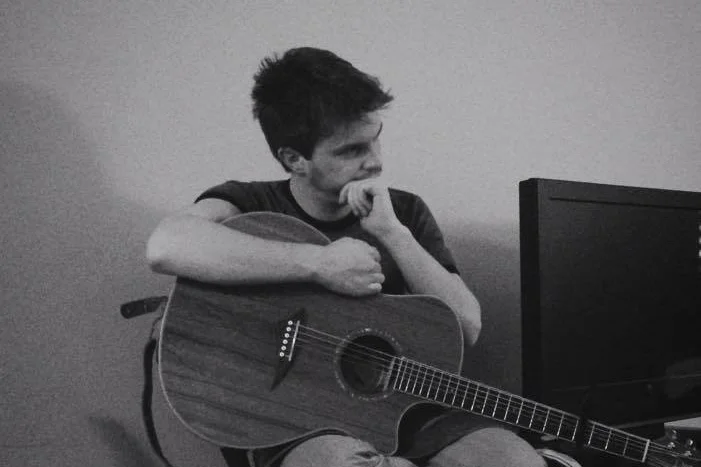
Garrett Hinson of Trenton, Tennessee, is no stranger to the artistic struggle, but what makes his struggle so interesting is how he has grown into his own brand of aural singularity. Folk and rock music are incredibly different than their traditional interpretations, and that’s part of what makes Garrett’s sound so enjoyable. Garrett applies the traditional and contemporary styles of folk and rock for a sound that doesn’t cross barriers but fuses them instead.
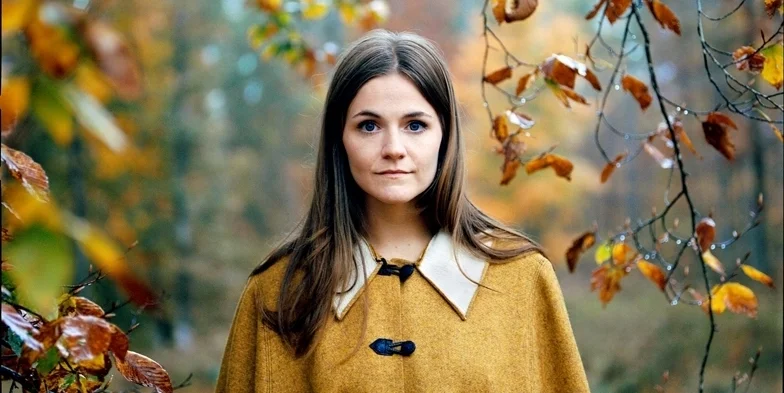
Nashville is an interesting place for a plethora of reasons, but one of the most interesting things about the city is what it does to musicians. The best of the best from all over the world flock to the city in hopes of fulfilling some guilded dream of becoming some sort of star, but in actuality they are sharpening the fangs of the cities growing problem with musical egocentrism. Why am I saying all of this? Because Erin Rae is part of the solution to the very problem I just described to you.
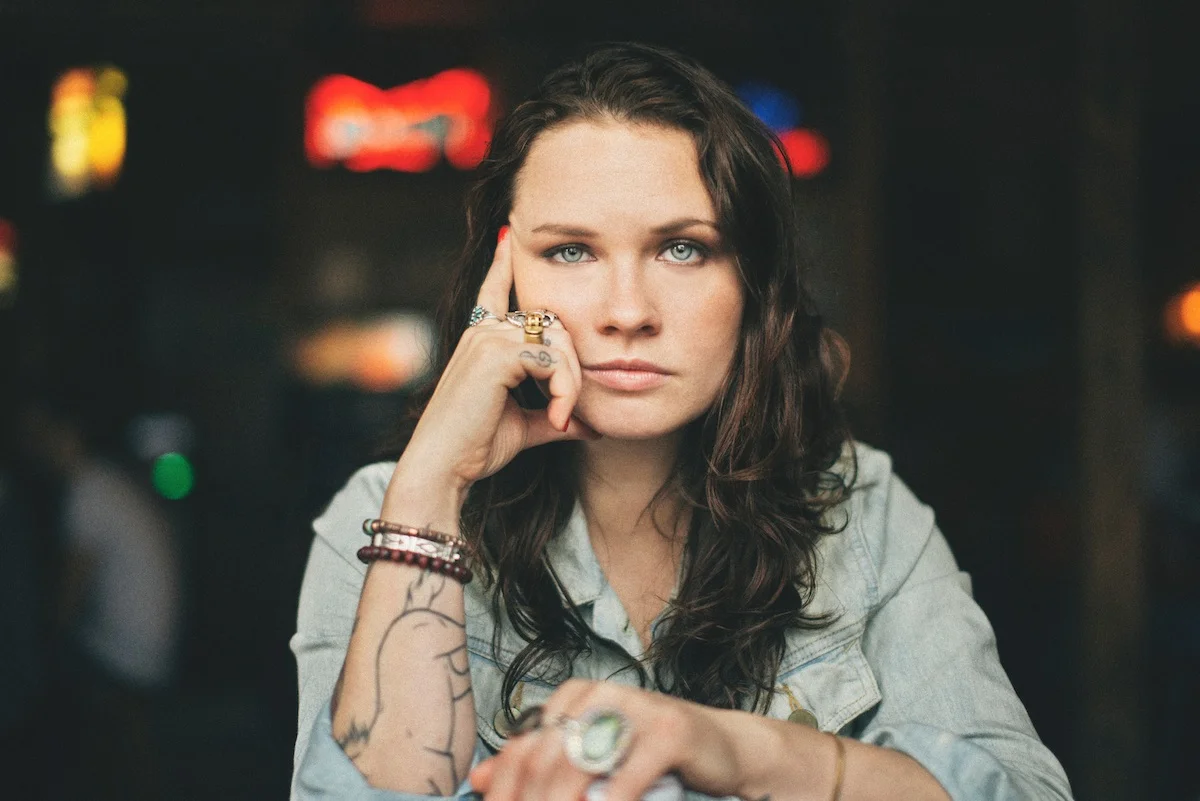
Instead of exploring the seemingly rich platitudes that most mediocre artists tend to in their formative years, West Tennessee’s Lauren Pritchard has taken another route. Pritchard, who now goes by her stage name LOLO, is a performing veteran with an impressive credits list ranging from Broadway to Jay Leno. LOLO is now signed to DCD2, a label started by Fall Out Boy’s Pete Wentz.

Logan Wall is a twenty-two-year-old Jackson native with an impeccable ear for melody. Not only can he write music well, but he is also a very talented singer-songwriter. Logan is currently studying audio engineering at MTSU, but he already has an enviable amount of studio experience as a player, engineer, and producer under his belt. One could say Logan is a Jack-of-all-trades when it comes to music, but you’d never know due to his humble nature.
reviews

Hannah Russell is a Marketing Assistant at Lane College and freelance photographer in Jackson, focusing her creative efforts primarily in portrait and studio photography. As a recent graduate of Union University’s art program, she is continually discovering how to transform the everyday person into the most interesting of subjects through her attention to composition and form. “Photography for me is kind of like an adventure. It’s a very curious and exploratory activity; a search for the best composition."

The journey down the rabbit hole is one that most American children can recall vividly. Alice in Wonderland is a story that is colorful and bizarre in the very best ways. The Ballet Arts of Jackson performance this weekend was exceptional in the way they brought all of those iconic characteristics to the Civic Center stage.
We live in a critical society. Social media is mostly to blame for that, along with twenty-four-hour “news” networks and talk radio. Everyone has a voice whether they have anything worth saying or not. If you have a bad experience at a restaurant, Tweet about it. If your hotel bed isn’t as comfortable as you think it should be, grab your phone and give it two stars on Google. I don’t exempt myself from taking part in the reactionary culture in which we find ourselves.