
Jackson Association of Indians: The Quiet Cultivation of a Thriving Community
Written and photography by Hannah Gore
In the past two years that I have attended the Jackson Association of Indians local Diwali celebration, I have come to a realization that I now carry with me in every aspect of my life: that leadership is not a title to be earned or worn like a badge of honor, but rather it is seeing the needs of others around you and quietly rising up to the challenge to meet those needs without the desire for praise or recognition.
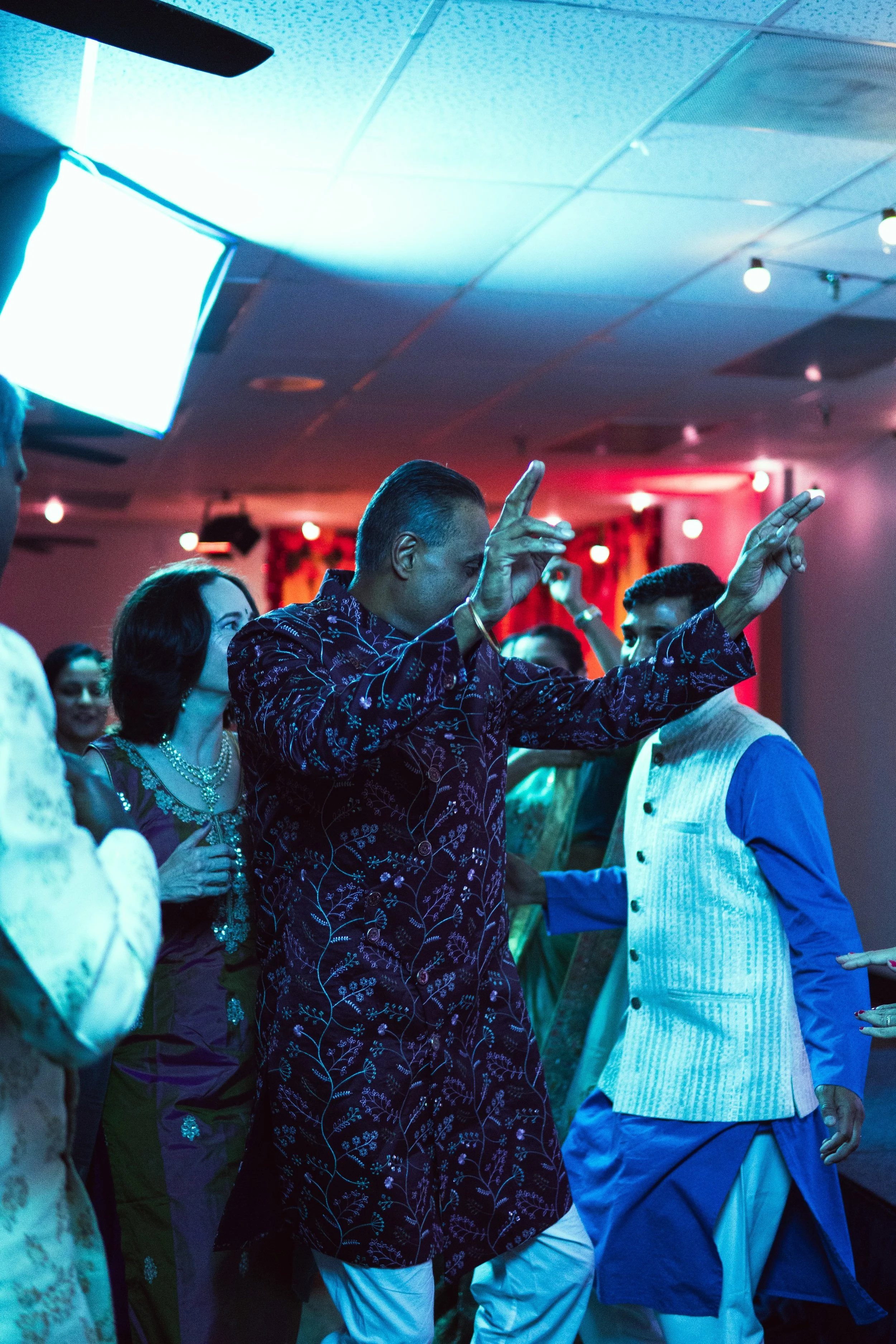
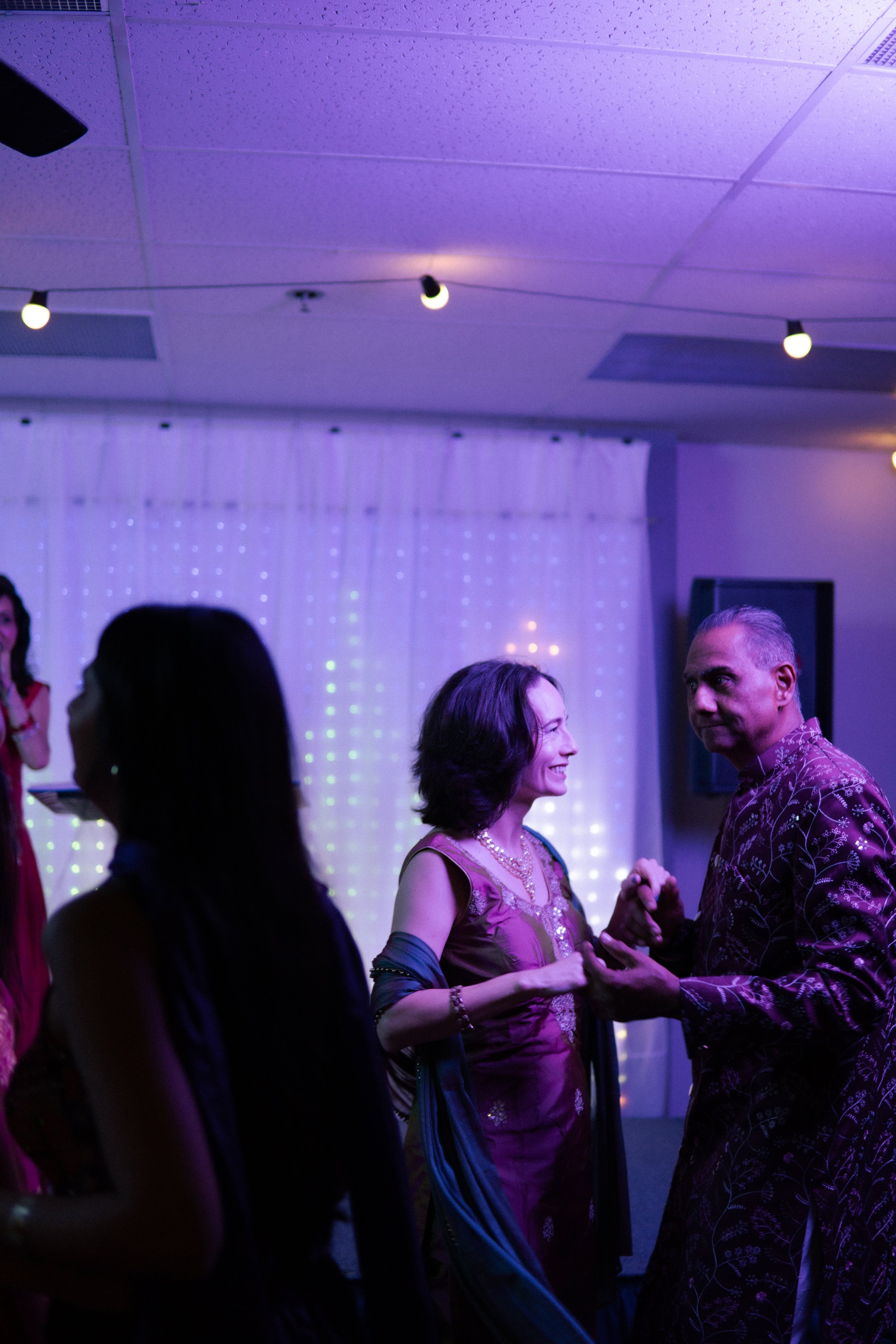
I have witnessed this leadership in those who prepare and serve food to the attendees at Diwali, in how they invite the community to join in the Bollywood dances at the Jackson International Food and Art Festival, and in how they volunteer their time for the Indian and non-Indian community alike in Jackson.
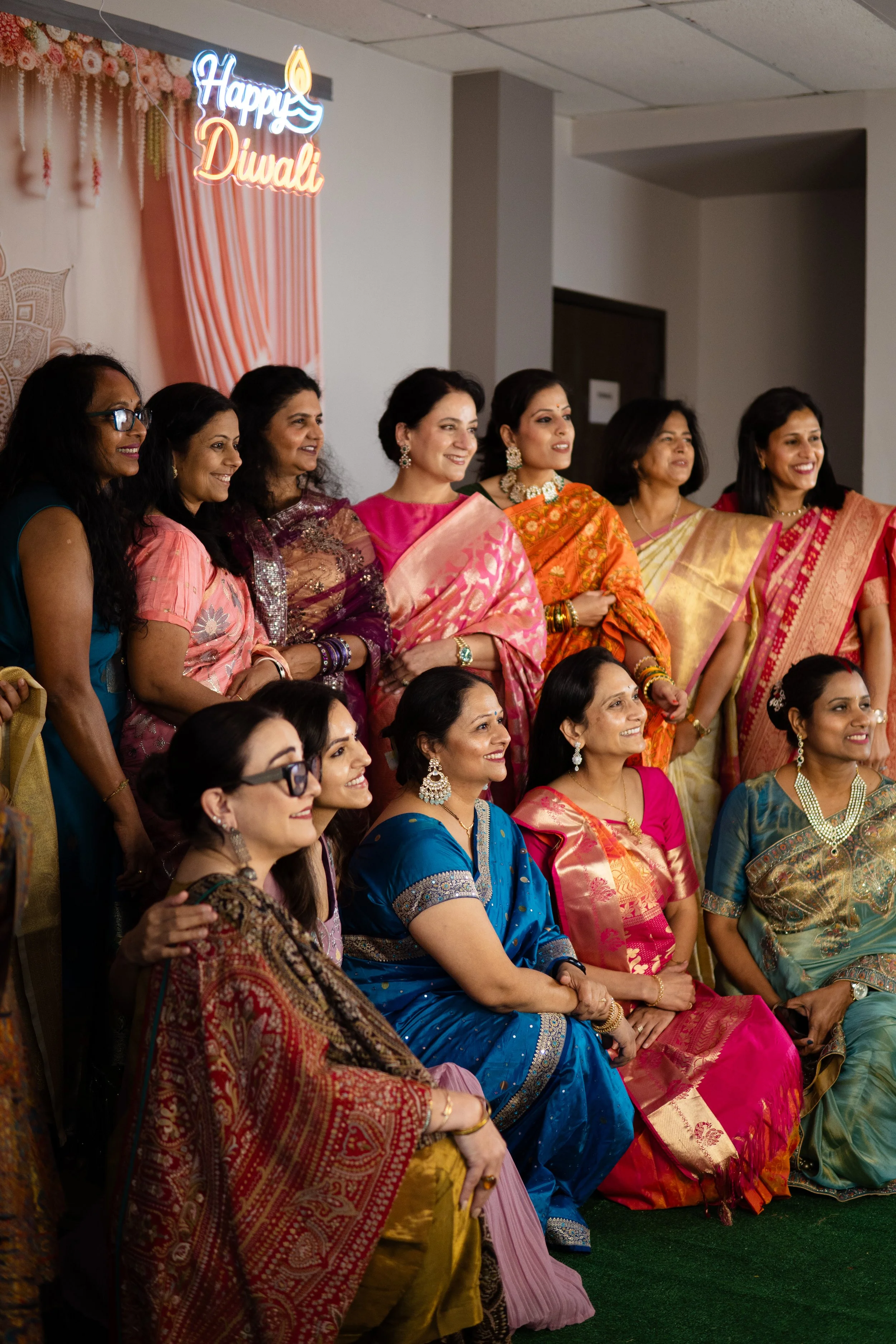
You may have never heard of them, and that may very well be because they are practicing this very kind of leadership that asks nothing in return; the kind of leadership that simply seeks to serve others for the good of their community.
The Jackson Association of Indians, or JAI, as they call their group in conversation, is a collective of individuals of the Indian diaspora and South Asia that operate here in West Tennessee. Their main mission is to exist as a network always available to serve both the Indian community and the greater Jackson community through spreading positivity and joy.
The group works as a sort of civic engine within Jackson — a web of hidden leaders that strengthen the community through aiding newcomers from India and South Asia, building bridges of cultural support, volunteering and practicing mutual aid with one another in day to day life.
Many people I have talked to about my experiences at Diwali and JAI have not known that the group has existed here in Jackson for around 20 years, nor that they are involved with numerous outreach activities and events here in the area.
The group spearheads the organization of events such as the annual Diwali celebration, Yoga Day, and the celebration of India’s Independence Day in late summer. JAI volunteers for local organizations and events such as RIFA, The Jackson International Food and Arts Festival and participates in nature conservation with regional parks in celebration of Earth Day. JAI is a fund of the Community Foundation of West Tennessee, a nonprofit organization.
I spoke with two longtime members of JAI, Lalitha Bhojanapalli and Prasann Jinturkar, who dove into the heart of JAI’s mission. They highlighted their desire to cultivate goodness in the community and their eagerness for every volunteer to be recognized for the spirit of leadership they carry, from the seasoned members of JAI to their children who are learning about the traditions of their culture and using that influence within the community at events such as the Jackson International Food and Art Festival and Diwali.
“It’s spreading the love and joy, is how I say, is what it has become about, and teaching the kids the same thing, to spread the love and joy,” Lalitha explained.
On a more internal level, JAI functions as a haven for Indian and South Asian families in the West Tennessee region. For many Indian families moving to Jackson, JAI is one of their first contacts. The members of JAI communicate with other Southeast Asian families and individuals looking to move to West Tennessee, forming relationships with them and discussing everything from schools to social opportunities before and during their process of moving to the area.
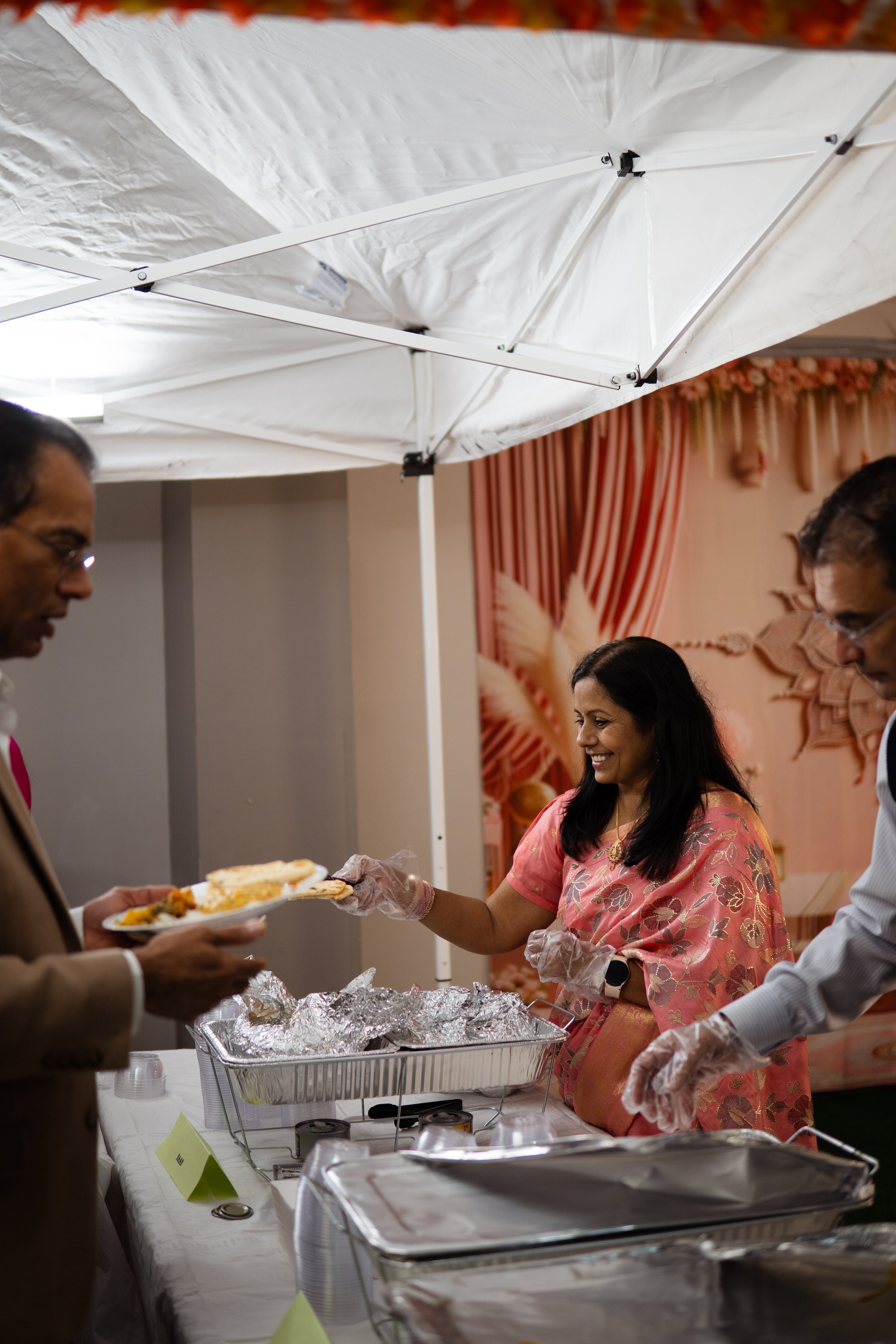
”In the past year alone I think we have gotten 40-45 queries, and most of those people have moved here cause they call us and we have a long two to two and a half hour conversation on schools, where to live, you know…” Jinturkar explained.
Prasann also expanded on how JAI is like a “family away from home” for many Indians and South Asians in the region.
“We are there for each other…we joke around every now and then that if I need help at 2 o’clock in the night, I can put one message in and have about 20 people at my house in 10 minutes,” Prasann said.
Within JAI’s efforts to cultivate community for Indians and South Asians here in West Tennessee is also their dedication to planning and preparing for culturally significant holidays. These events take months to prepare for and serve as one of the main backbones of JAI’s efforts to spread joy and positivity through their culture.
These celebrations serve as more than just a day of joy for those in JAI — they are a lifeline for their community. The need for continued contact with one another in order to prepare for special days like Diwali or Yoga Day means that the members of JAI stay in contact. It gives every member the opportunity to be needed and to work toward a greater goal for the good of JAI as a whole.
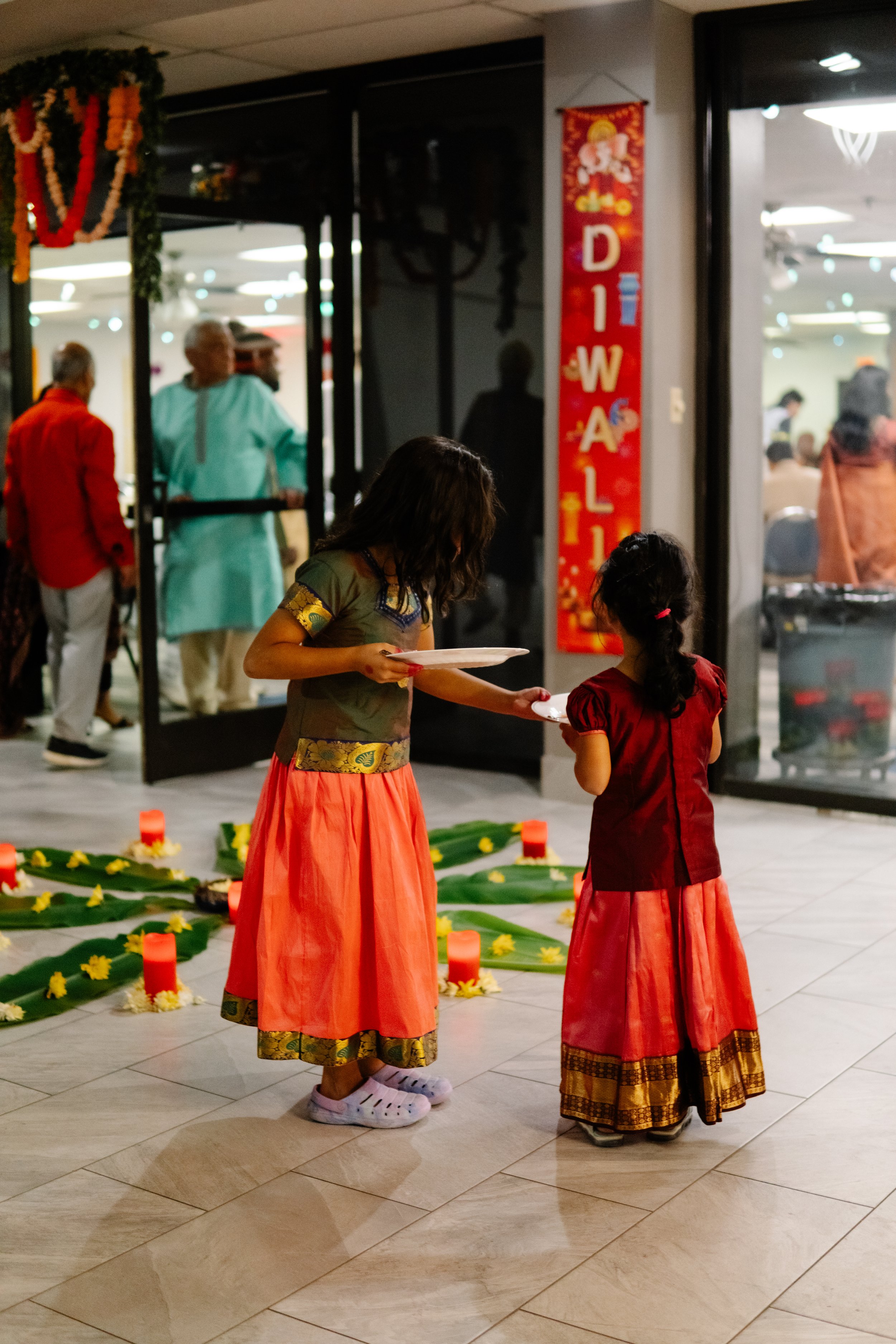
Lalitha emphasized how the atmosphere within everything that JAI does is also for the benefit of the children within the group. Many of the children in JAI are first generation immigrants that have limited opportunities to connect with their Indian or South Asian roots. She went on to explain how being a part of preparing for events as a community gives the members a chance to share the Indian traditions and culture with the children, becoming a “village” to help support one another outside of their home countries.
“So, it’s like we are coming together and we are dependent on each other. Even though we don’t have family here, we have friends that are family,” Lalitha said. “We have a village to raise our kids and I’m proud of that, I’m happy and proud we have that and that we give that to other kids too.”
This desire to set an example for the children in JAI has even bled into how the younger members of JAI work to serve the community through volunteering at organizations such as RIFA. Lalitha expressed how it has touched her that the children eagerly ask to volunteer on their own terms and how this desire to give back to the community reflects the mission of JAI and the spirit of leadership that brought their group together in the first place.
"One other example I want to add is volunteering at RIFA, like the kids wanted to do it,” she said. “they’ll just send a message and say ‘Hey, can we volunteer?’”
In all of these experiences and conversations, I have come to realize that JAI has no one singular leader, but rather that each and every member of JAI is a leader in their own right. Those that started the group in its official capacity 20 plus years ago saw a need for a unified group to support and uplift the Indian community here in West Tennessee and collectively came together to help accomplish that. “You know, being a hidden leader is doing the right thing, even when nobody is looking…besides (me and Lalitha), there is a whole group of people who have done the same, even more than what we do for JAI,” Prasann said. “…they don’t do that because they want to be in a picture or video…they do it because they want to do it for the community.”
Prasann went on to explain how none of the members of JAI are paid: That all of the planning, the meeting, community outreach and event preparations that is done by JAI is carried out solely on a volunteer basis. Each member shows up for one another out of the goodness of their hearts as well as for the benefit of both the Indian community and beyond. “Leadership comes in a lot of different styles, and we are so honored in JAI to be able to see from kids all the way to grown-ups, people who volunteer their time and lead…that’s what true leadership is and those are the true leaders we have in JAI,” Lalitha added.
For those wanting to learn more about the Jackson Association of Indians or to get in touch with them to learn more about community opportunities, their volunteer work, or events, you can visit their website at www.jacksonassociationofindians.org.