
Professor Hardy and the Quilting of Memories
Written by Cari Griffith
Photo archive by Cari Griffith
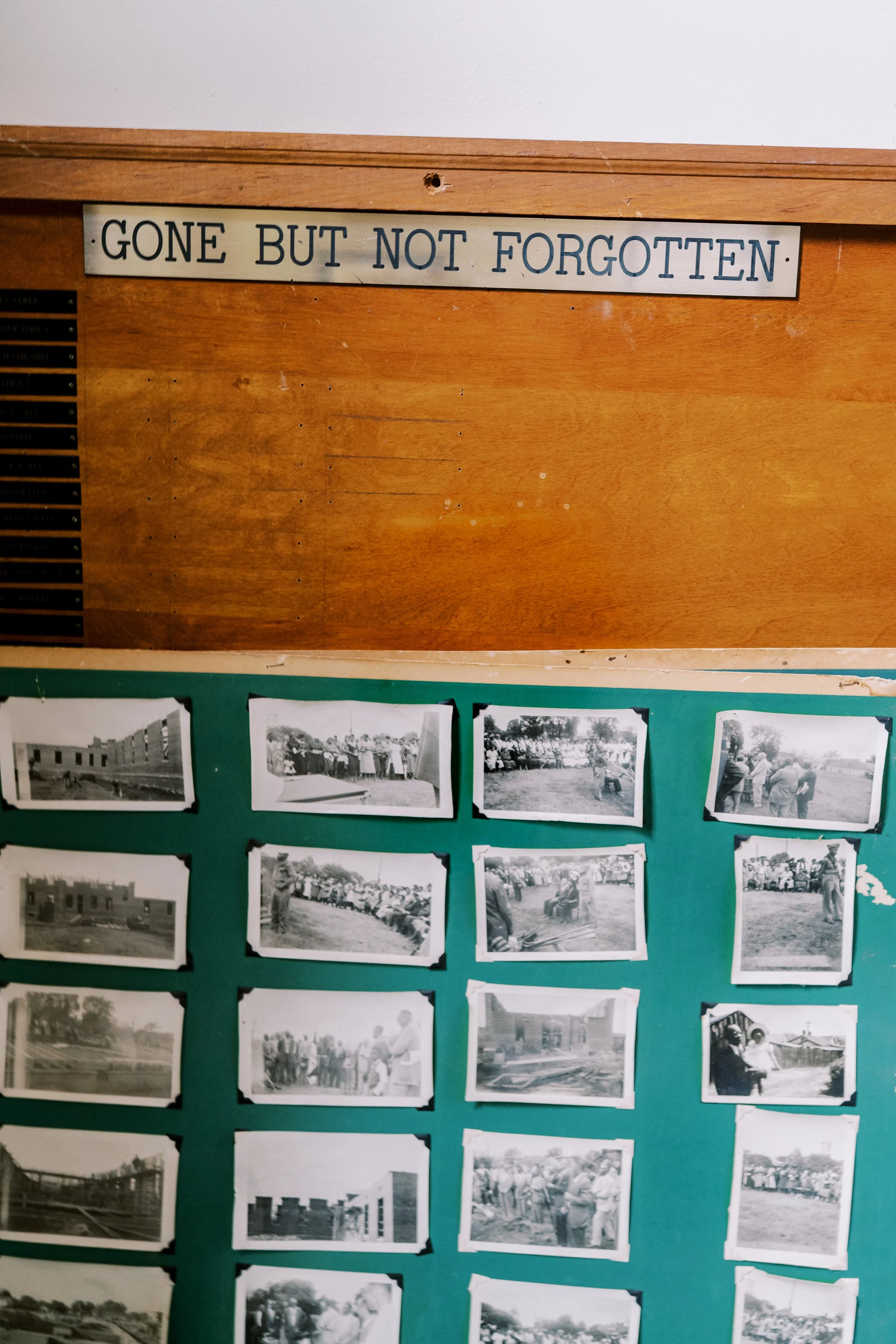
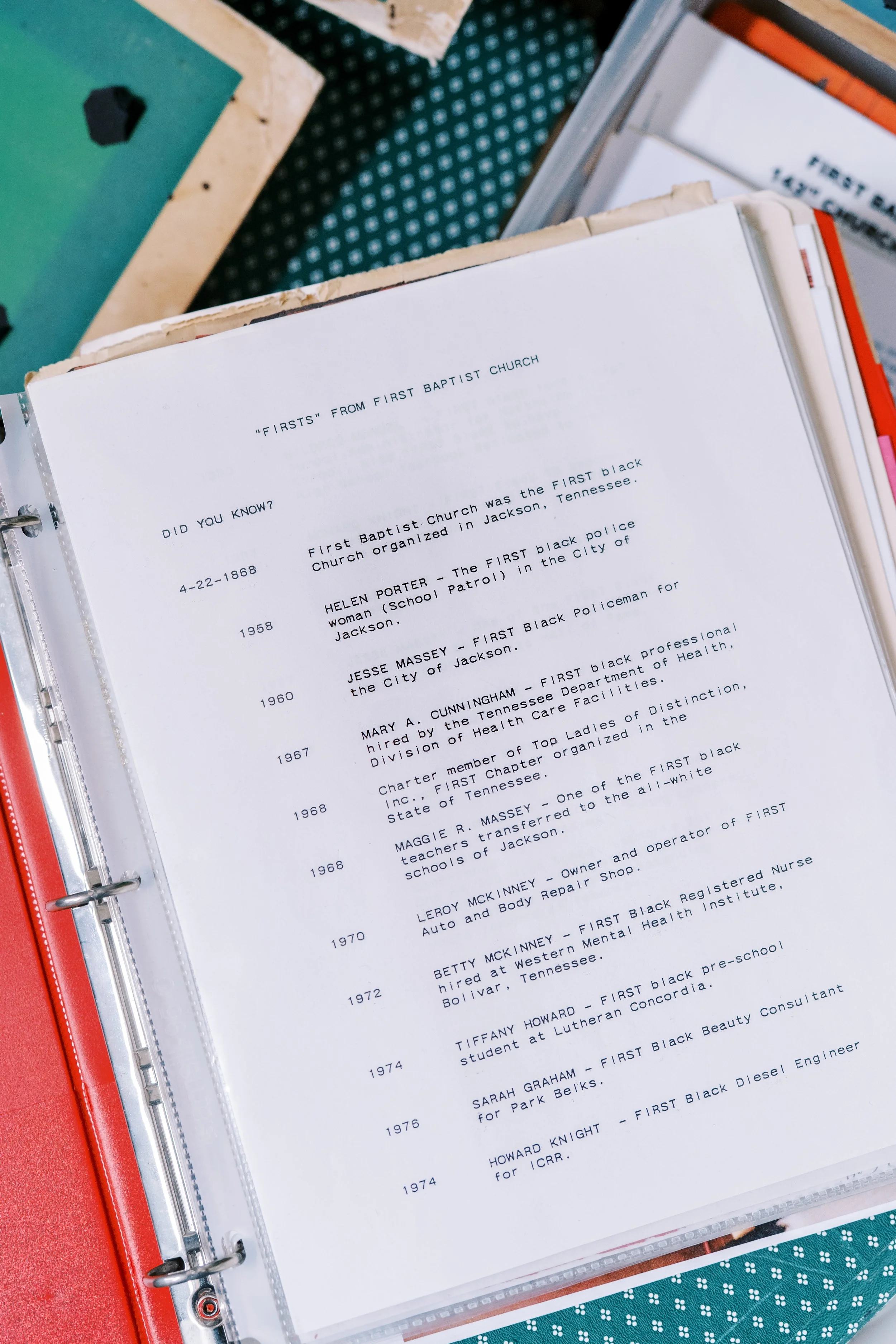
I began thinking about the theme of “hidden leaders” and knew that I wanted to start with the archive at my church, Historic First Baptist. Church archivist Abner Miller has been collecting images, stories, and testimonies for many years, diligently cataloguing a “Book of Firsts.” This Book of Firsts celebrates the achievements of African American members of Historic First Baptist who have been the first in their field. The list is long, and the stories and testimonies of hidden leaders contained within that binder could fill a hundred journals. I hope they do someday. As I was flipping through the image archive and walking around the conference room lined with news clippings, faded framed images, and celebratory plaques, I paused in front of a scanned image of what appears to be a Jackson Sun article about Mr. Albert Hardy. I was struck by this honorary acknowledgement written by John D. Graham. It opened a window into the story of a man that appeared to have a quiet, steady presence about him, and it beckoned me to know more.
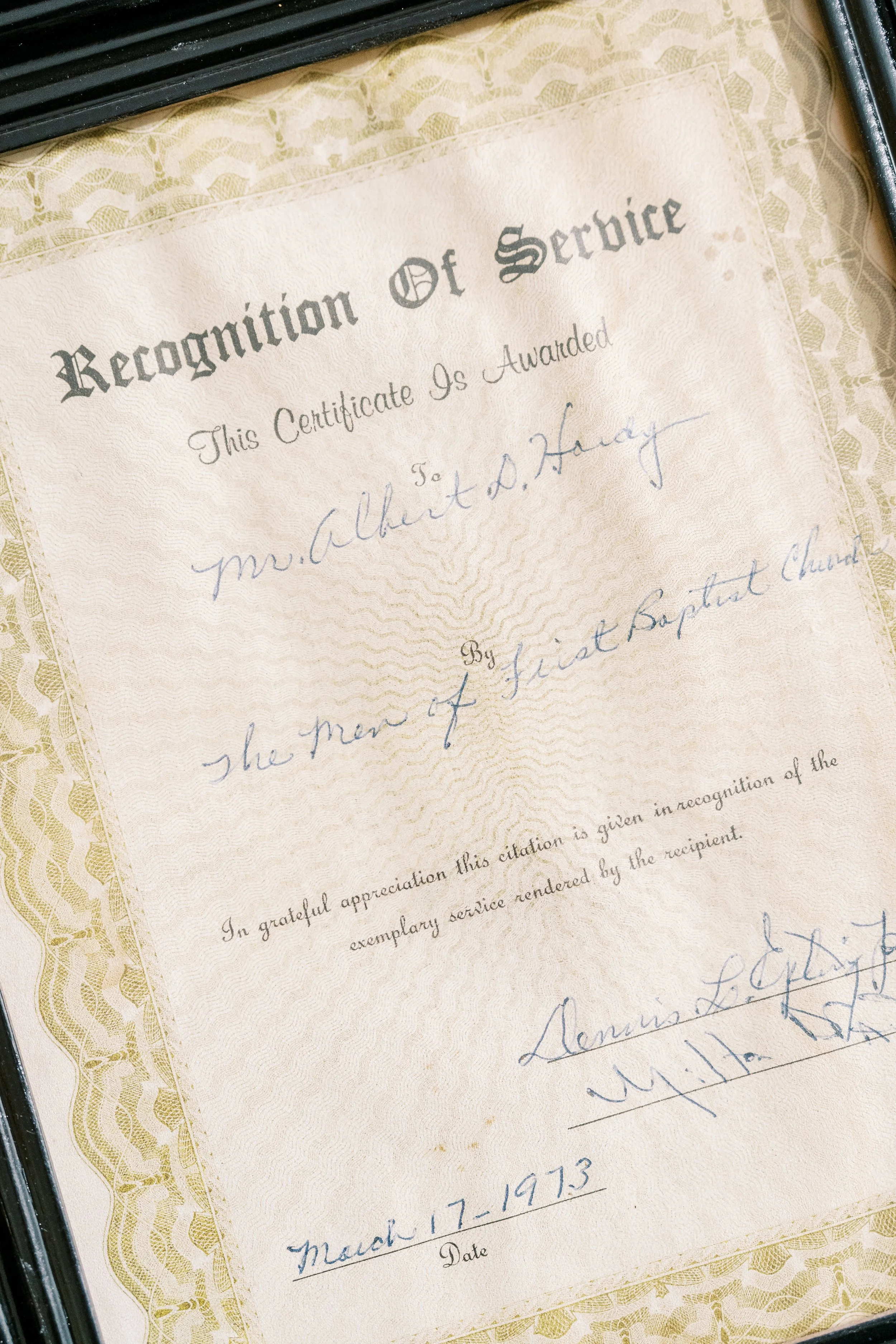
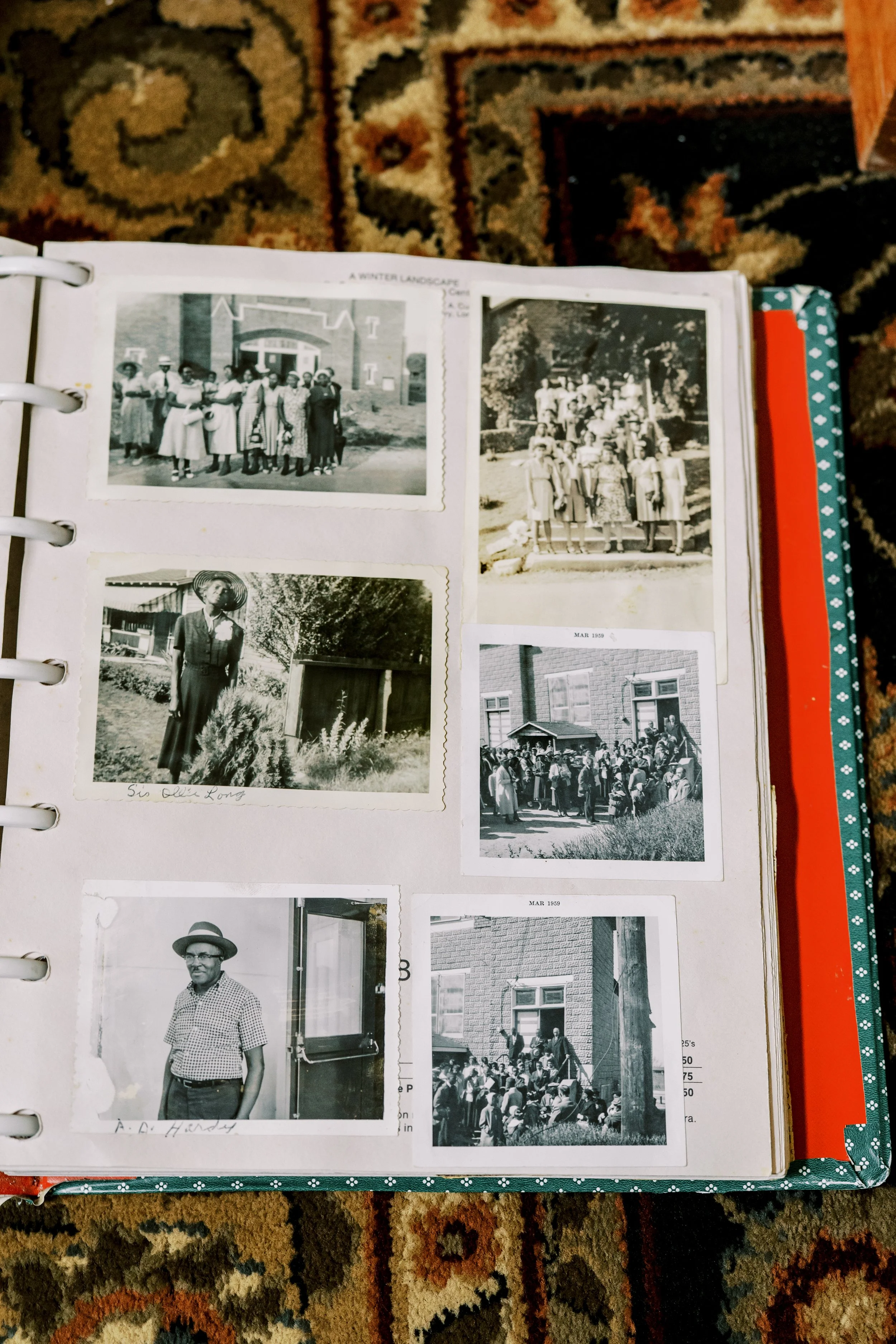
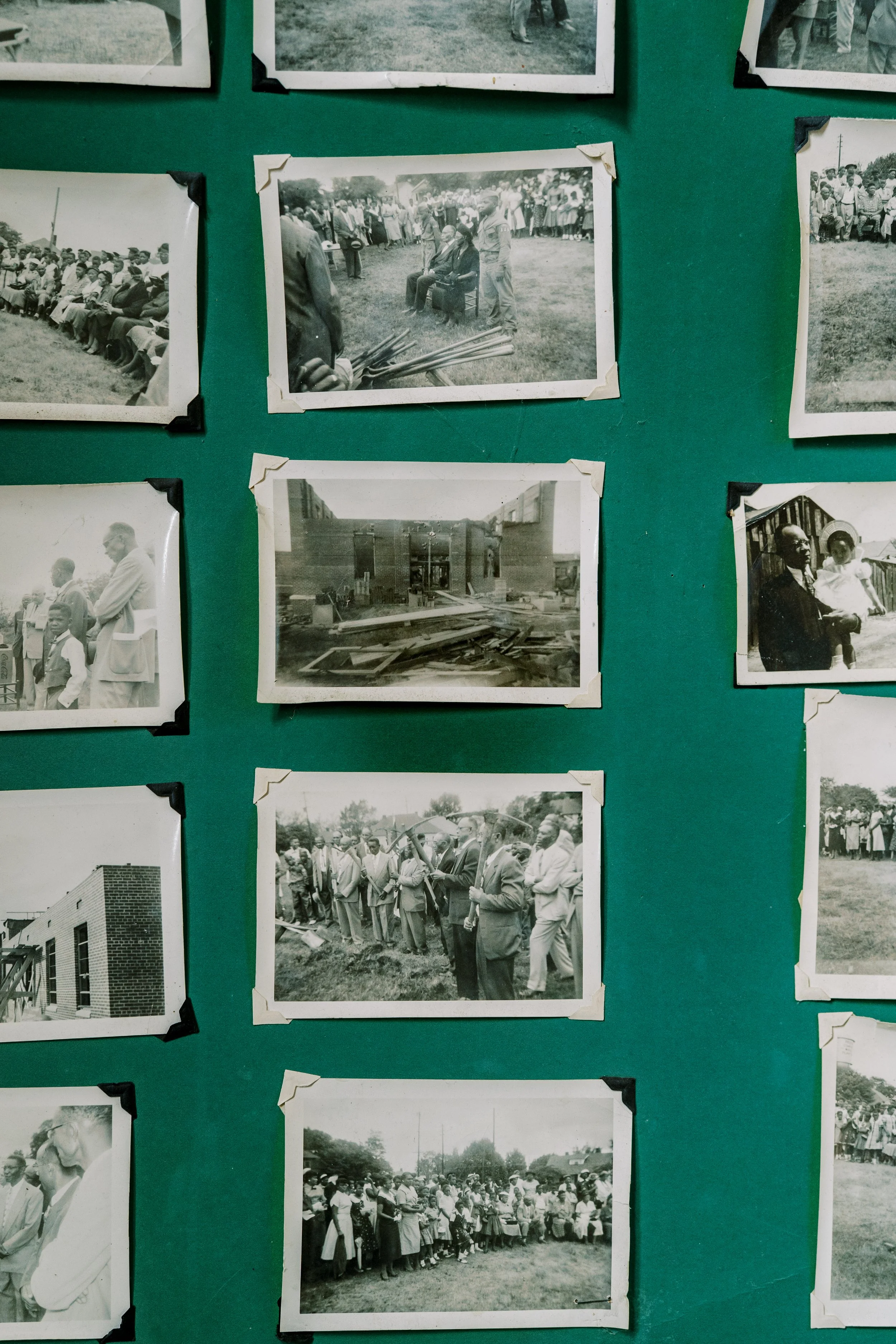
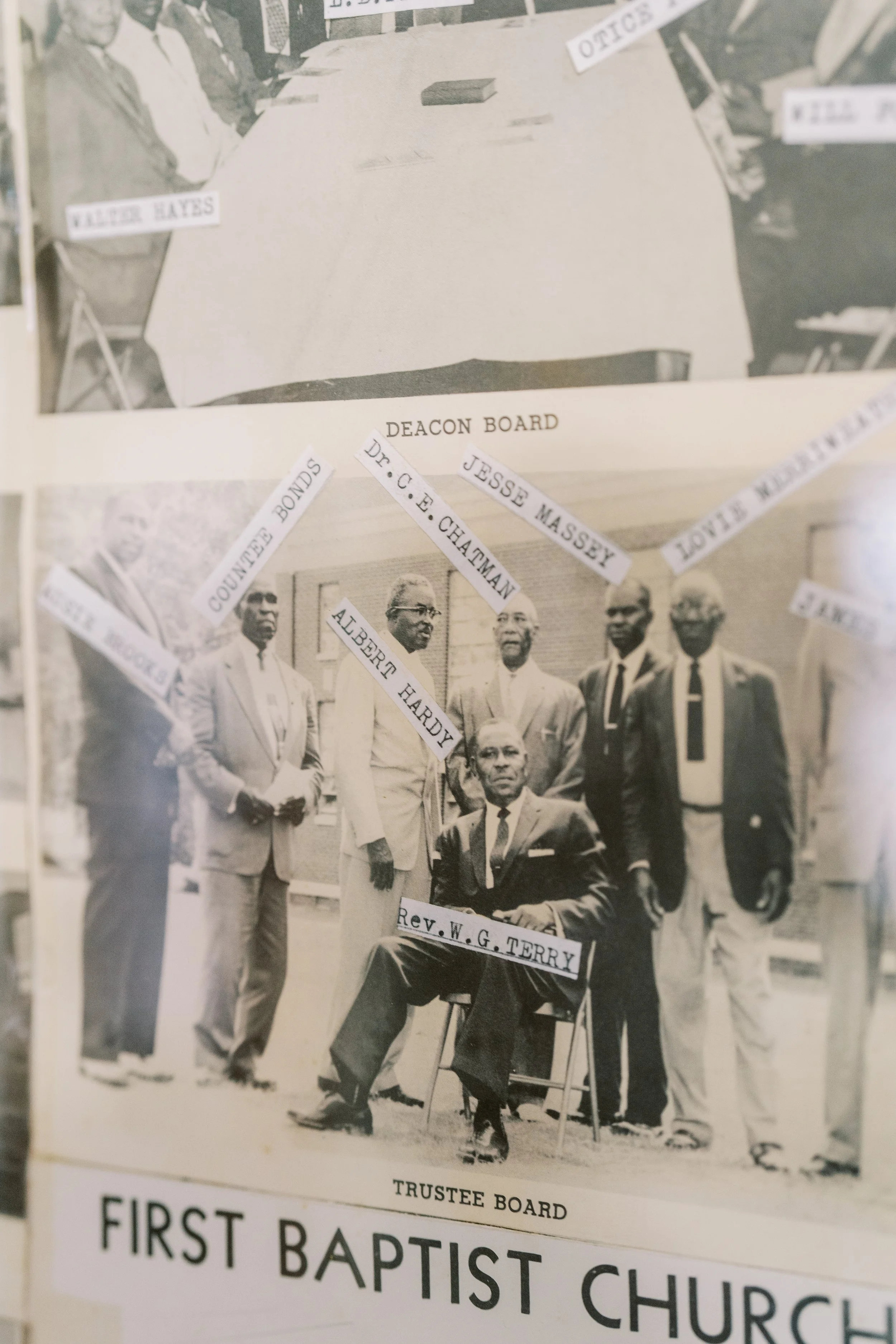
Archive storytelling can be a tenuous process of quilting together testimonies and biographical details that make up the life of a person. Following threads can often lead to a frayed edge or a knot that refuses to untie. As I began unraveling details about his life, I realized that many keepers of the stories about Professor Hardy have long since passed away, including the writer of the article. I was able to reach a nephew of Professor Hardy who lives in Chicago, Mr. Reginald Trice. After speaking with him over the phone and hearing lively stories about a trunk full of candy and attending baseball games alongside his uncle, I inquired about others who might have information about Professor Hardy’s family. “I’m one of the last ones who has this knowledge,” Trice said, with weighty understanding. As we spoke, I realized that there were facts about Mr. Hardy’s life that would be quite difficult to piece together due to the nature of memory and time.
Albert and Loretta Hardy did not have children of their own. However, as I began interviewing others, it became apparent that Hardy’s parenting happened in the classroom. Known to many as Professor Hardy, although he did not teach in higher education, he built a legacy through his work in the school system, as well as his commitment to Sunday school education at Historic First Baptist.
Deacon Milton Davis, a lifelong member of Historic First Baptist, had a great story about Professor Hardy’s classroom environment and his hardline stance on homeroom attendance. One morning in grade school, when Davis was running late and Hardy had stepped out of the classroom for a minute, he tapped on the window so a friend could crack it open and let him climb in. When Hardy returned, he scanned the room, seeing Davis sitting there with what I imagine to be a flustered attempt to appear invisible. Hardy clocked him immediately and had him exit the room in the same way he came in. Davis never forgot it. “Do it right, now, do it right,” Davis could still hear Professor Hardy saying. Davis has carried this phrase with him and has tried to live by this example ever since.
Ms. Margaret Savage, now 102 years old herself, remembers Professor Hardy’s influence at Merry High School and his faithful service to Historic First Baptist. Recalling a story from when she was a teenager, Savage was giving a presentation and decided that a manger would be a helpful visual aid. Professor Hardy built the manger for her, and the memory of his generosity has stuck with her, even after over eight decades later.
While collecting the pieces for this archive story, it became clear that the collage I was gluing together wasn’t going to be a complete story about who Professor Hardy was and what he achieved. Instead, I sat quietly with his influence for a moment, and I found that the story was in his name. They called him Professor Hardy out of respect for his gift as an educator, and that was his legacy.
___
We all have a teacher or mentor whose investment pulled out the best in us and had a lasting impact. For me, it was my theater teacher, Eric St. John. I gave him a run for his money in my early high school years (thanks to a proclivity for drama both inside and outside of the classroom). His belief in me helped me channel my restlessness onto a stage and into a character. His classes helped me step outside of myself and into a bigger story. The reach of those like St. John and Professor Hardy extend far beyond the years we spend in their classrooms. Their impact may not always be visible in images, newspaper clippings, and those ephemeral documents that make up a tactile archive. Their legacy lies in academic enrichment, yes, but also remembered phrases that scaffold our consciousness, in courage that is built up in our spirits, and in memories that remind us of the people who have paved the way. Their belief in us guides our first steps out of the classroom and they hold the lantern as we step out into the dark. I want to honor Professor Hardy as a hidden leader, as an educator, and as a member of the Historic First Baptist community. May his legacy remind us all to acknowledge those hidden leaders while they are with us so that an imperfect archive isn’t the only keeper of stories.